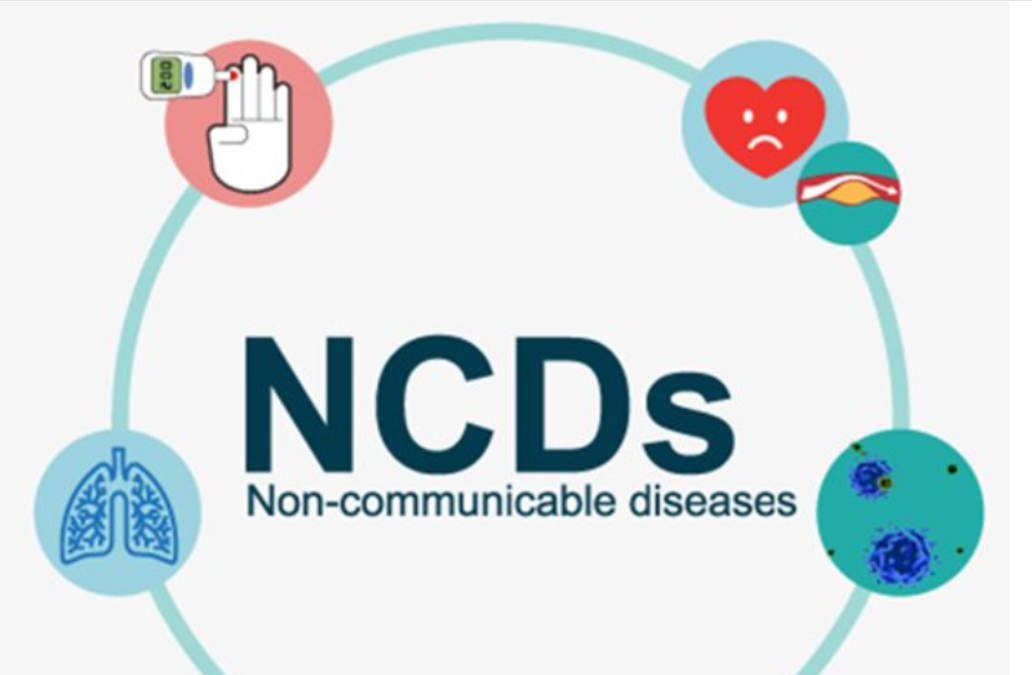
A staggering 64 per cent of deaths caused by non-communicable diseases (NCDs) in Fiji occur among people of working age, raising serious concerns about the impact on the country’s workforce and economy.
This has been highlighted in the Fiji National Population Policy 2026–2035, released by the Ministry of Strategic Planning, National Development and Statistics.
According to the policy, NCDs, including diabetes, heart disease, stroke and cancer, account for 80 per cent of all deaths in Fiji.
The high proportion of deaths among working-age individuals presents significant economic and social challenges for the country.
The report also raises concerns about the increasing incidence of NCDs among young people, with unhealthy lifestyle habits often developing during adolescence.
It warns that rising premature deaths from NCDs are projected to cost Fiji approximately 10.9 per cent of its Gross Domestic Product (GDP) by 2040.
The policy states that a healthy population and workforce are essential for a productive economy.
While Fiji has made progress in expanding access to healthcare, addressing communicable diseases and improving maternal and child health, NCDs remain the leading cause of illness and death.
Meanwhile, the policy also highlights the country’s worsening HIV outbreak, with 2,003 new cases reported in 2025.
This represents a 26.5 per cent increase from the 1,583 cases recorded in 2024.
The report reveals that 51 per cent of new HIV cases in 2025 were recorded among people aged between 20 and 29 years.
The number of new infections has increased sharply since 2022, when 245 cases were recorded.
This rose to 415 in 2023 before jumping to 1,583 in 2024 and 2,003 last year.
The policy identifies drug use, particularly injecting drug use, as a major driver of the outbreak.
While sexual transmission has historically been the primary mode of HIV transmission in Fiji, injecting drug use has emerged as another significant contributor.
The report also raises concerns about increasing infections among women and families, suggesting wider community transmission.
Another alarming finding is the rise in paediatric HIV cases, with approximately 59 infants reported to have been born with HIV in 2025, compared with 31 in 2024.
The policy states that most of these infants were born to HIV-positive mothers and will require lifelong medication.
It also warns that under-detection could mean the actual scale of the HIV outbreak is greater than official figures indicate.
The Government declared an HIV outbreak in January 2025 in response to the rapidly increasing number of infections.
The findings highlight the growing pressure that NCDs and HIV are placing on Fiji’s healthcare system, workforce and long-term economic development.