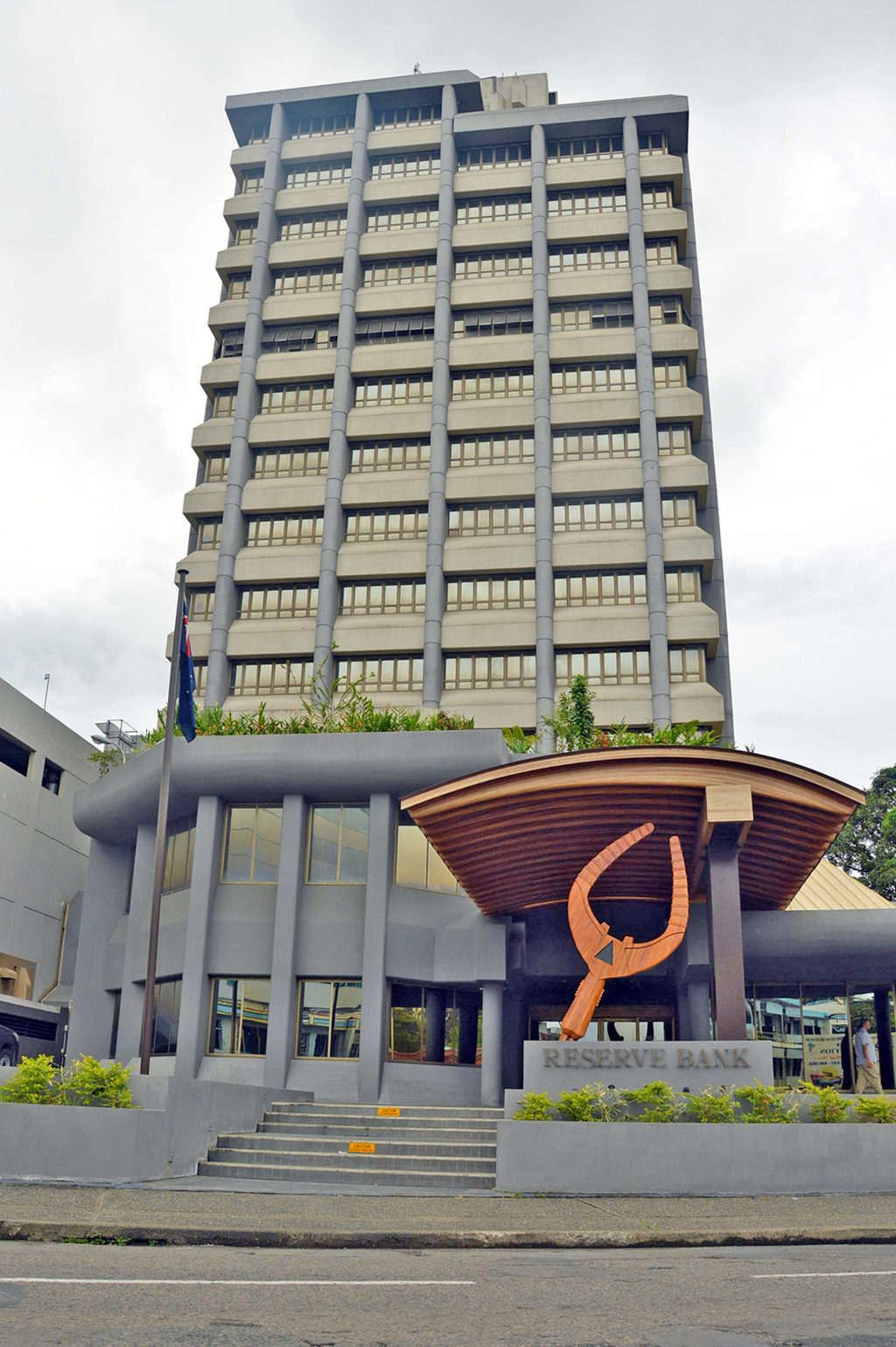
Fiji’s annual headline inflation stood at 6.8 per cent in September this year, with the central bank noting that retail trade revenue increases primarily reflect higher product pricing rather than expanded volume.
The Reserve Bank of Fiji’s (RBF) October economic review stated that wholesale and retail nominal sales rose by 10.1 per cent in the first half of this year.
However, it reported that this growth was “largely reflecting higher prices, with nominal sales rising by 10.1 per cent, supported by increased fuel, vehicle parts and food sales income”.
“The annual increase was primarily driven by higher prices for food and non-alcoholic beverages, transport, alcoholic beverages, tobacco and narcotics, and utilities,” the RBF stated.
Consumption-related indicators showed mixed dynamics during the review period.
In the year to September, consumption-related loans grew by 11.2 per cent, “driven by higher lending to the wholesale, retail, hotel and restaurant sector (10.7 per cent) and private individuals (13.8 per cent)”.
While private sector credit grew by 14.5 per cent, net value-added tax (VAT) collections rose by a lower margin.
The RBF reported that in the same period, net VAT collections rose by 2.5 per cent on account of lower VAT refunds.
It also reported vehicle registrations increased by 7.1 per cent cumulative to August, though the bank noted “higher import duties on new and second-hand vehicles announced in the FY2026-27 Budget could weigh on vehicle demand going forward”.
The RBF has projected inflation to remain above 6.0 per cent by the end of the year.
“Inflation is expected to remain elevated and above 6.0 per cent by year-end, reflecting persistently high global fuel prices and the impact of El Niño-related weather conditions, which may place upward pressure on domestic prices particularly for market items such as fruits and vegetables,” the central bank stated.
External and domestic risks include geopolitical pressures and commodity costs driving up imports, alongside domestic labour constraints and political uncertainty.
Foreign reserves remained at $4.0 billion (5.6 months of import cover), enabling an accommodative monetary stance.
The RBF also kept the Overnight Policy Rate at 0.25 per cent to support economic activity amid slower growth and elevated prices.
Banking liquidity totalled about $2.1bn, keeping average commercial lending rates at 4.49 per cent.