Our eyes are among the most precious organs of the human body, allowing us to see, learn, work and enjoy the world around us. Yet, eye safety is often overlooked in our daily activities until an accident occurs. A moment of carelessness can result in serious eye injuries, some of which may lead to permanent vision loss.
As communities across Fiji prepare for festive celebrations, including Diwali, it is important to raise awareness about the dangers of accidental eye injuries and encourage everyone to make eye safety a priority.
Eye injuries can happen anywhere – at home, in schools, workplaces, on roads and during recreational activities. Common causes include flying objects, dust, chemicals, sharp materials, sporting accidents and fireworks. Children are particularly vulnerable because they may not fully understand the risks associated with dangerous objects and activities.
Fireworks: A hidden danger during Diwali
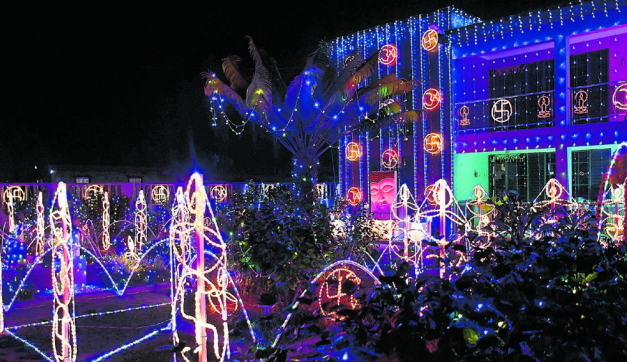
Diwali is widely celebrated as the Festival of Lights, bringing families and communities together through prayers, decorations, traditional sweets and fireworks.
However, the excitement of fireworks can sometimes overshadow the potential dangers they pose to eyesight.
Sparks, flying debris, firecracker explosions and chemical particles can cause burns, cuts and other serious injuries to the eyes. Even people watching fireworks can become victims of accidents. According to eye-health experts, fireworks-related injuries can sometimes cause permanent damage to vision.
Parents and guardians are therefore encouraged to keep children away from firecrackers and ensure that fireworks are handled responsibly by adults. Maintaining a safe distance, avoiding faulty fireworks and choosing organised professional displays can help reduce the risk of accidents.
Common causes of accidental eye injuries
Apart from fireworks, several everyday activities can expose people to eye injuries.
At home, cleaning chemicals, sharp household objects and accidental splashes can damage the eyes. In workplaces, particularly construction sites, farms, workshops and industrial settings, dust, metal fragments, wood particles and chemical substances can cause serious injuries.
Similarly, sporting activities can expose participants to injuries from balls, racquets and other equipment. Without appropriate protective eyewear, these accidents can have lasting consequences.
Prevention is better than cure
Protecting our eyesight does not always require complicated measures. Simple precautions can significantly reduce the risk of accidental injuries.
Members of the public are encouraged to:
l Wear appropriate protective goggles when handling chemicals, operating machinery or performing activities that may produce flying particles.
l Keep sharp objects, cleaning products and hazardous materials away from young children.
l Encourage children to practise safe habits at home, school and during outdoor activities.
l Use suitable protective eyewear when participating in sports that carry a risk of eye injury.
l Avoid touching or rubbing the eyes with dirty hands.
l Maintain a safe distance from fireworks and never allow children to handle firecrackers.
l Attend professionally organised fireworks displays whenever possible.
What should you do when an eye injury occurs?
Knowing what to do following an eye injury can make an important difference.
The public should avoid treating serious eye injuries as minor problems.
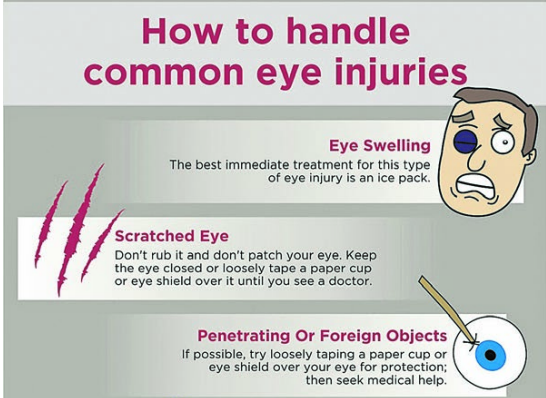
If dust or a loose particle enters the eye, avoid rubbing it. For chemical splashes, immediately rinse the affected eye with plenty of clean running water and seek urgent medical advice.
However, if an object penetrates or becomes embedded in the eye, do not attempt to remove it, wash the injured eye or apply pressure. Protect it with a loose, clean shield and seek emergency medical attention immediately.
Sudden blurred vision, severe pain, bleeding, swelling or sensitivity to light following an injury should never be ignored. Prompt medical assessment is essential to prevent further damage and protect remaining vision.
A shared responsibility to protect our vision
Eye safety is not only an individual responsibility but also a shared responsibility among families, schools, employers and communities. Parents must educate children about the dangers of eye injuries, while employers should provide suitable protective equipment and promote safe working environments.
Schools and community organisations can also play an important role by conducting awareness programs and educating people about simple ways to prevent avoidable eye injuries.
As we celebrate Diwali and participate in our everyday activities, let us remember that eyesight is irreplaceable. A few seconds of excitement, negligence or carelessness should never put a lifetime of vision at risk.
Protecting our eyes today means protecting our quality of life tomorrow.
Remember: Your eyes are precious. Prevention is the best protection. Take care of your vision before an accident changes your life.