
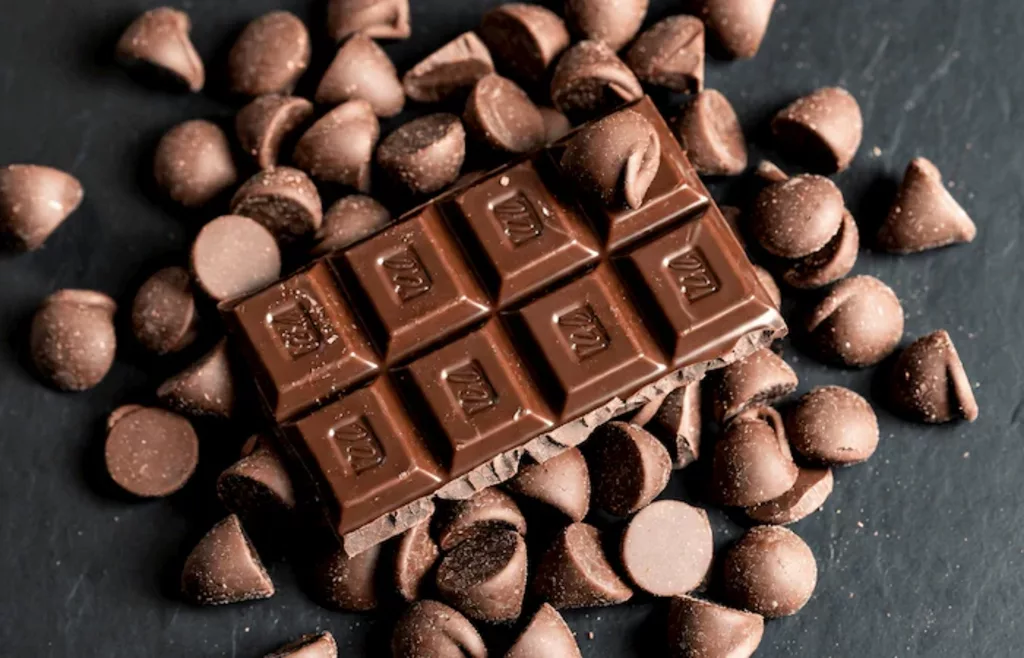
EVERY year on July 7, chocolate lovers around the world come together to celebrate World Chocolate Day, a delicious occasion dedicated to one of the world’s most beloved treats.
Whether it’s a creamy chocolate bar, a rich slice of chocolate cake, a comforting mug of hot chocolate, or a batch of fudgy brownies, this special day is the perfect excuse to indulge without guilt.
Chocolate has a fascinating history that stretches back thousands of years. It begins with the seeds of the Theobroma cacao tree, a tropical plant native to Mexico, Central America, and northern South America.
Archaeological evidence suggests that cacao has been cultivated for more than 3,000 years, with the earliest known use dating back to around 1100 BC.
Ancient civilizations valued cacao so highly that it was often used in ceremonies and even as a form of currency.
The journey from cacao bean to chocolate is a remarkable process. Fresh cacao seeds are naturally bitter and must first be fermented to develop their distinctive flavor.
They are then dried, cleaned, and roasted before the outer shells are removed, leaving behind cacao nibs.
These nibs are ground into cocoa mass, the purest form of chocolate.
The cocoa mass is then processed into cocoa solids and cocoa butter, which are combined in different proportions to create the wide variety of chocolate products enjoyed today.
There are four common types of chocolate. Unsweetened baking chocolate contains only cocoa solids and cocoa butter, making it ideal for baking. Sweet chocolate combines cocoa solids with sugar for a richer taste.
Milk chocolate, one of the most popular varieties, includes milk powder or condensed milk, giving it a smooth and creamy texture.
White chocolate, while technically not containing cocoa solids, is made from cocoa butter, sugar, and milk, offering a sweet and buttery flavor.
Chocolate is more than just a delicious treat it also offers several health benefits when enjoyed in moderation.
Studies have shown that chocolate can increase serotonin and dopamine levels, the brain chemicals associated with happiness and relaxation. In particular, dark chocolate is rich in antioxidants that help protect the body’s cells from damage.
It may also improve blood circulation, lower blood pressure, and support heart health, making it a satisfying indulgence with added nutritional value.
There are countless ways to celebrate World Chocolate Day. Treat yourself to your favorite chocolate dessert at a local café or restaurant, organize a chocolate tasting party with family and friends, or explore chocolates from different countries to discover new flavors.
Parents can also share the joy by reading chocolate-themed classics such as Charlie and the Chocolate Factory with their children.
Although the exact origins of World Chocolate Day remain uncertain, the celebration is held on July 7 to commemorate the day chocolate is believed to have first arrived in Europe in 1550.
The first official World Chocolate Day celebration took place in 2009, and it has since become an annual event cherished by millions.
`So, this July 7, unwrap your favorite chocolate treat and join the world in celebrating the timeless delight that brings smiles to every generation.
Happiness is sharing chocolate with the one’s you love.
Picture: GOOGLE

