
Heavy rains and flooding that struck Viti Levu in January 2012 triggered one of Fiji’s most devastating climate disasters, culminating in a massive landslide that destroyed Tukuraki village and claimed lives.
More than a decade later, lessons from that tragedy are shaping how Fiji approaches climate relocation — with a growing emphasis on gender and social inclusion.
This assessment is presented in a new report released by Deutsche Gesellschaft für Internationale
Zusammenarbeit (GIZ).
Nina Sikiti from the Relocation Unit at the Ministry of Rural and Maritime Development says the early relocation of the Tukuraki community highlighted why gender must be central to planning.
“When the Tukuraki community was initially relocated following the landslip disaster, the new homes were designed as open-plan structures without separate kitchens or bedrooms,” Ms Sikiti said.
In traditional iTaukei villages, women carry primary responsibility for caregiving and food preparation. “They often had to build separate outdoor kitchens, and the lack of bedrooms raised privacy concerns,” she said.
Paulo Baleinakorodawa, executive director of Transcend Oceania, said climate change was already reshaping lives across Fiji.
“In Fiji, the reality of climate change is not a distant threat — it is already reshaping lives, homes, and futures,” he said, pointing to rising seas, floods and landslides forcing communities to relocate.
He stressed that relocation went beyond physical movement. “Relocation is never just about geography; it is about culture, identity, and relationships,” he said.
Vani Catanasiga, executive director of the Fiji Council of Social Services, said women’s voices were often present but lacked influence.
“There remains a gap between women’s presence and their influence,” she said, noting that traditional practices still limited participation in decision-making.
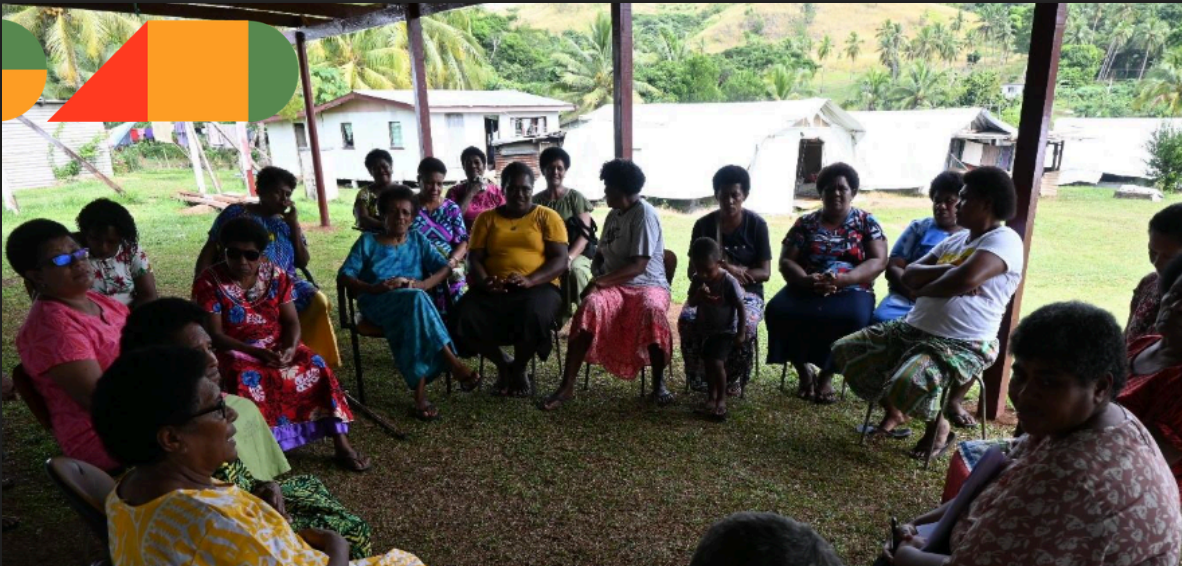
Despite challenges, women are emerging as leaders in adaptation. In Cogea village, women maintained communal support during relocation talks and later secured international funding for climate-smart agriculture projects.
“When women are included in dialogue, relocation planning becomes more holistic,” Mr Baleinakorodawa said.
Fiji has become a global leader by embedding planned relocation in law through the Climate Change Act 2021.
Experts say continuing to prioritise gender equality and dignity will be critical as more communities face climate-driven relocation.

