
At dawn, when the Rewa River is still wrapped in a veil of mist, women gather quietly at its edge.
The water lies smooth and unwrinkled, disguising the weight it will place on their bodies before the day is done. For generations, village women near Baulevu in Naitasiri have entered this river not by choice, but by necessity.
To survive, they dive into its depths to gather freshwater mussels. Each breath held underwater is a gamble, each dive a silent promise to the family members waiting back home.
Life along the Rewa River
The majestic Rewa River is more than a body of water cutting across provincial lines. For generations, it has been the pulsing heart of village life.
From mountain communities to valleys and coastal settlements downstream, people depend on it for water, food, transport and livelihoods.
Family survival and community obligations rest on what the river gives freely — and, at times, on what it withholds.
Women from the villages of Naganivatu, Nakini, Natoaika, Nacokaika and Deladamanu in Naitasiri have been gleaning this stretch of the river along Baulevu Road for generations.
Each large sack of freshwater mussels sells for between $90 and $100. If weather permits, a woman can collect up to five sacks a week, earning more than $400.
Now more than ever, the river’s ecosystem needs protection, as it remains a direct source of survival, income and employment for local communities.
The women who swim in the current
Whether driven by personal need or communal obligation, mothers, daughters and grandmothers immerse themselves in the river each day, determined to feed their families and keep their households afloat.
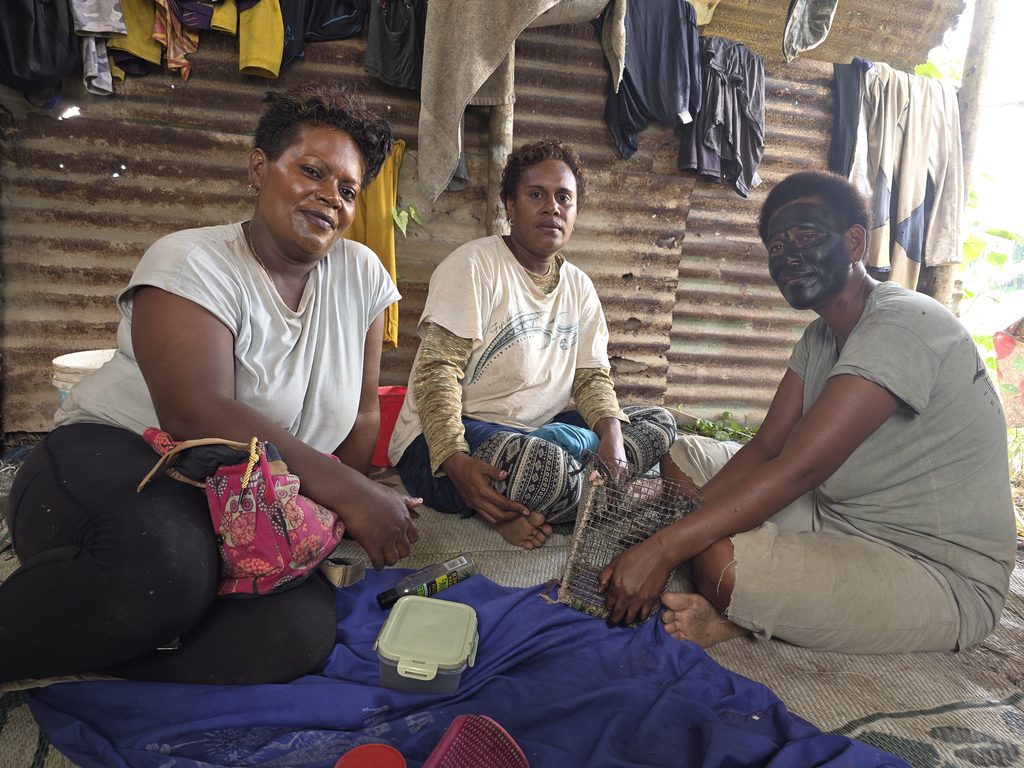
This week, The Sunday Times team met Marica Rokomaloca of Nakini Village at one of the many corrugated iron sheds lining Baulevu Road.
Each village has built its own roadside shed to allow women a place to cook, eat, change clothes and wait for transport before and after each dive.
To protect themselves from the cold, most women wear long pants, tops and hats.
“We apply our faces with a protective paste made up of the black soot of burned bamboo and oil to protect our faces from the scotching sun. Some of us use foundation cream because it is easier to apply and remove,” said a woman who identified herself as Vilimaina.
The women collect kai based on specific orders, some coming from as far as the West. This reduces the long hours they would otherwise spend selling at the Nausori market or roadside stalls.
Depending on the size of the order, each woman may spend several days diving to gather the required amount.
“Sometimes, when the low tide times are suitable, we come as early as 6am and may have to dip in the river twice, one in the morning and one in the afternoon, with a break period in between.
“The roadside sheds allow us to change and rest. We cook and have something to eat before we go out and may cook freshwater mussels or tea as soon as we get out of the water.”
Diving for survival
With no protective gear and only practiced breath control, the women dive repeatedly to the riverbed, feeling for freshwater mussels buried in sand and silt with their feet. This is called butukai.
The other way of collecting is to dive to the riverbed and collect kai using the hands, and sometimes, while wearing a pair of goggles.
Either way, the work is slow, demanding and relentless.
“We use a woven basket called kata to store kai before they are transferred into buckets. Our mothers used baskets made from woven bamboo, which they bit with their teeth while diving to the riverbed. Now we use steel baskets because it can be used over and over again,” Laisani Rolavetanimate said.
“When you see kai in the market or on a plate, you may never understand the hard work that went into getting it from the river. It can be backbreaking and only the women who collect them from the river understand this,” said Sereima Matea, 69.
“I am from the highlands of Ba but was introduced to kai harvesting by my mother-in-law after marriage. Then my children were still very young. They went to school with financial support from the money I earned by selling kai. Now they’ve all grown up and have families of their own.”
For Elena Koroiwaca, 51, collecting kai is a bittersweet experience.
She says a meal of boiled kai with lemon and chillies is a delicacy — and so is the money earned from its sale.
“However, to get it from the river is an exhausting exercise. It is physically strenenous and you have to expose yourself to the elements, like swift currents, cold water, hot sun and mud.
“Two years ago I started coming to the river often. I supplemented my earnings from a canteen I had with money from the sale of kai, that’s a lot of work but women have to shoulder this for the sake of their families.”
Josivini Kaurogo, 66, originally from Waimaro but married into Naganivatu Village, believes a woman’s nurturing instincts and strong protective drive allow her to endure harsh conditions for the sake of family.
“I spend most of my time in the river because it is a source of food and income,” Josivini said.
“Spending many hours in the water, a few times a week, especially when it rains or gets too hot, is not easy. It is tough but tough we must tackle to contribute to our families, villages and community obligations.”
The physical toll on every kai collector grows heavier with age — aching backs, waterlogged ears and exhaustion. Yet the deeper burden is the lack of alternatives, as poverty leaves little room for choice.
Pride in the struggle
Despite the hardship, the women of Naitasiri return to Baulevu each day to get what the river allows.
Freshwater mussels mean meals, school fees and survival — and with them comes a quiet pride in enduring what must be done.
“We are here to collect two sacks for an order that came from the West. By four o’clock, the buyer will be here so we should be out of the water before 5pm,” Marica said.
“School is just around the corner and for women who get paid regularly, they don’t have to worry that much. For village women who are unemployed and whose husbands are farmers, we have to worry about where to get money from.”
“Luckily for us, we have the river which has sustained us for generations. We will continue to depend on it in the future.”
As the sun lifts the mist from the Rewa River, the women prepare once more to enter its depths — not because it is easy, but because it is necessary.
Their strength flows quietly, like the river itself, sustaining families and shaping futures. Most of all, it allows them to carry forward a way of life that refuses to fade.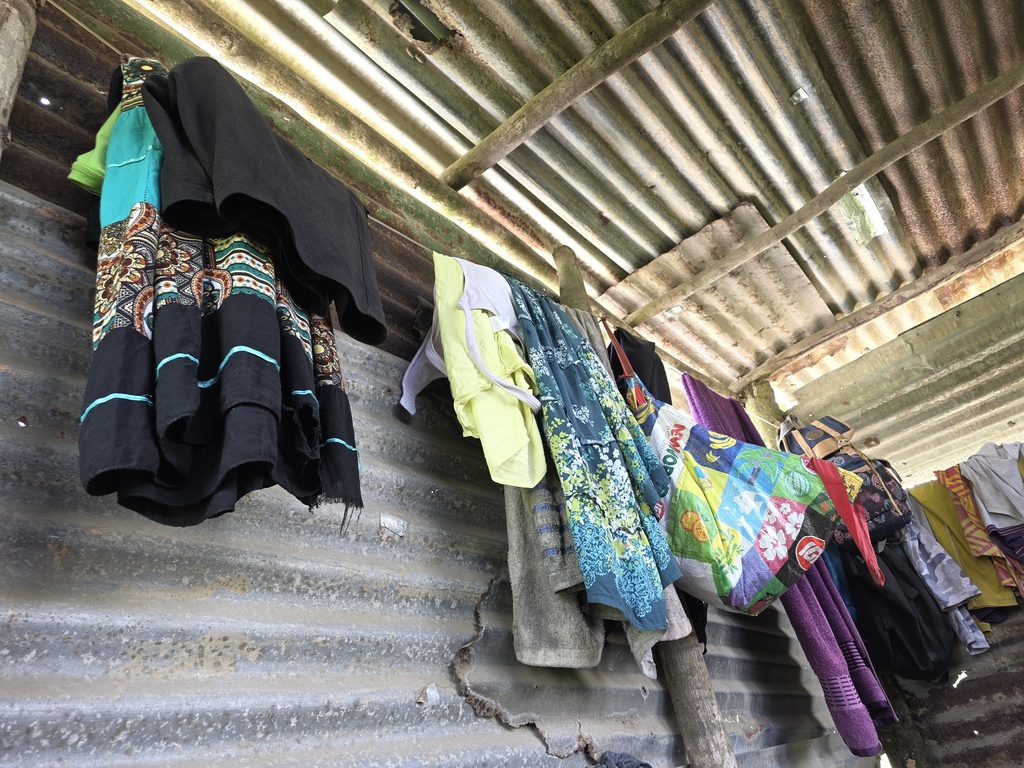
Women divers’ clothes hang inside the shed that belongs to the women of Nakini. Picture: JOHN KAMEA
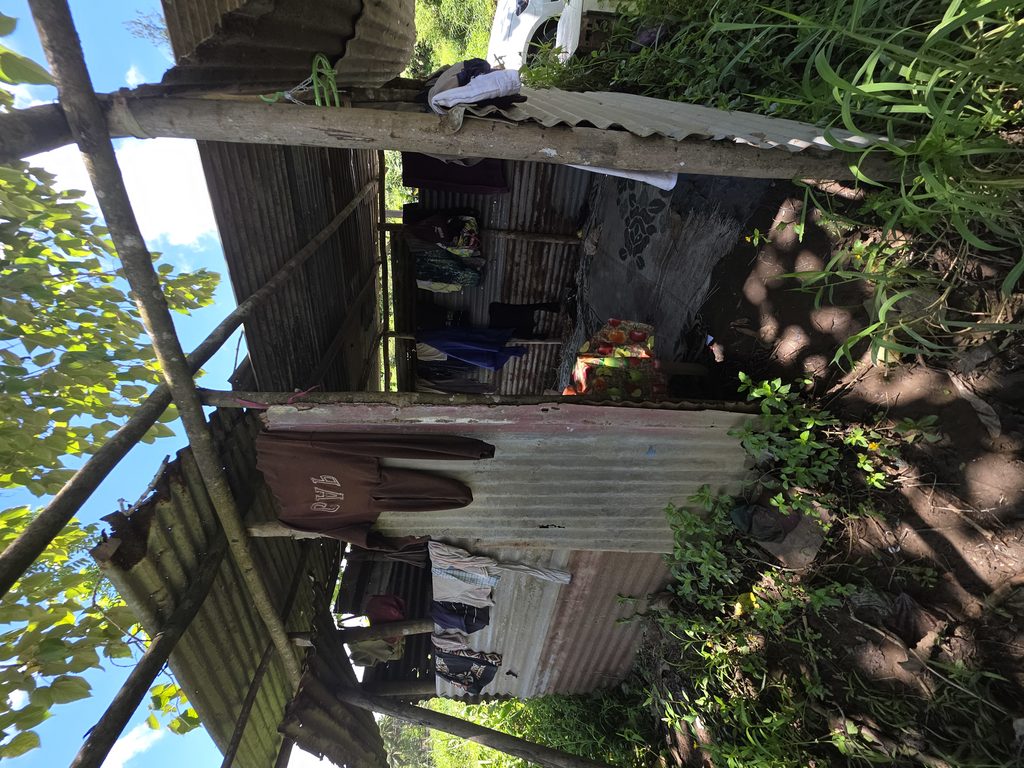
A shed that belong to the women of Nakini.
Picture: JOHN KAMEA
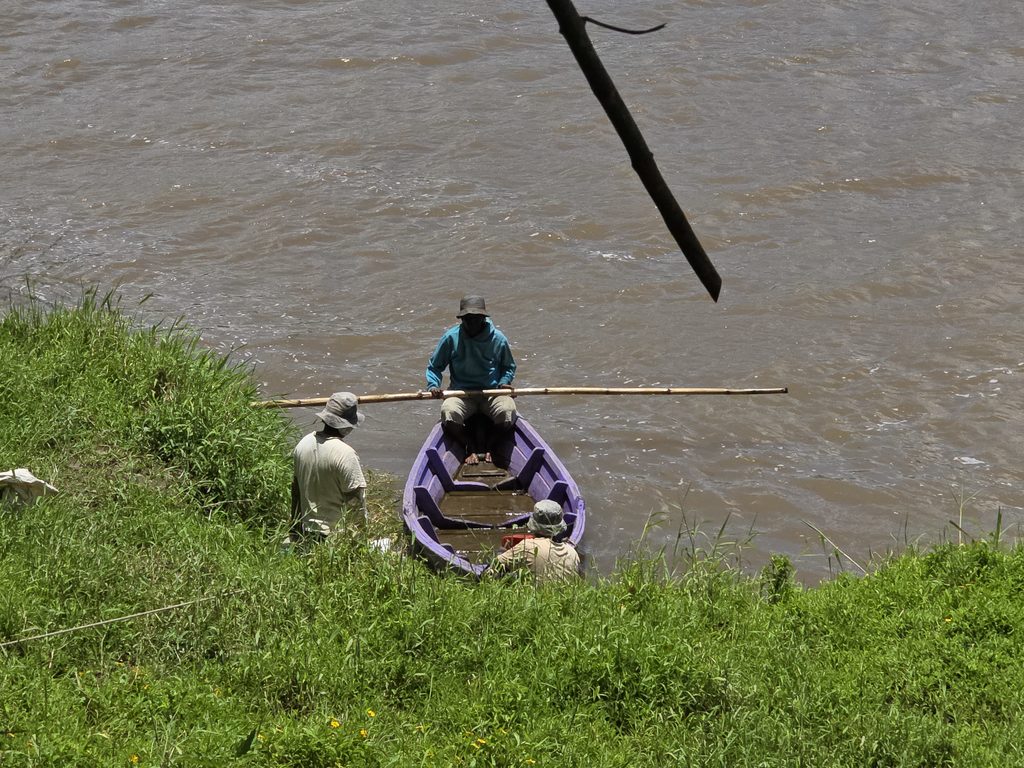
Women board a boat before going out into the deep parts of the river. Picture: JOHN KAMEA
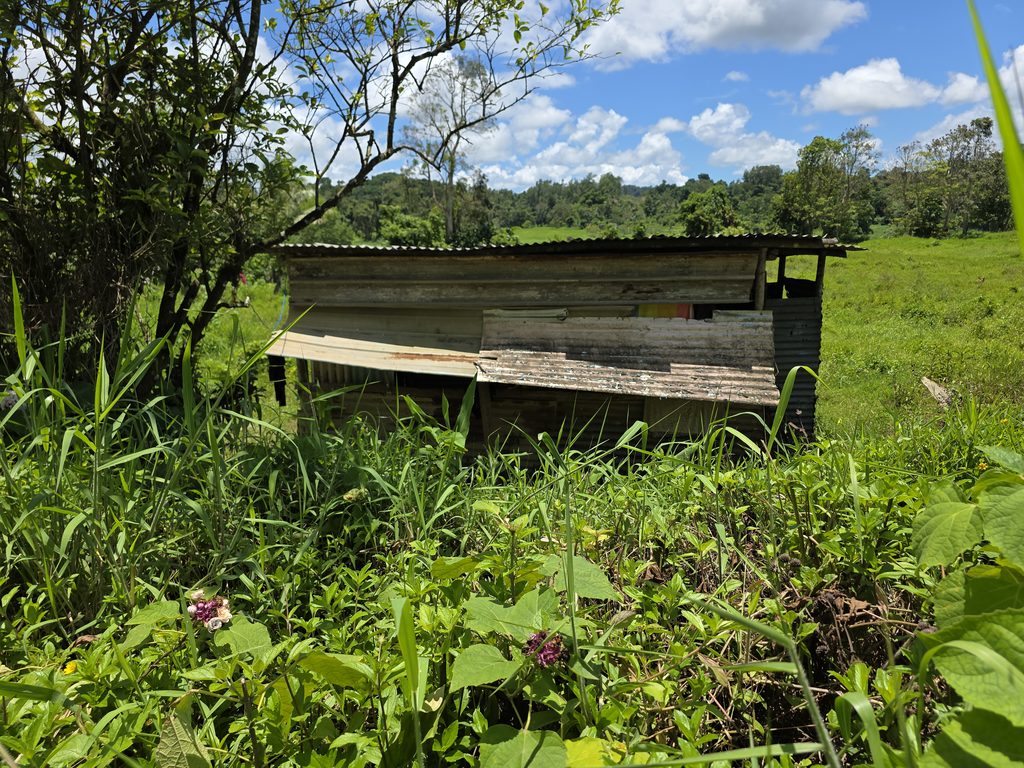
A shed for women kai collectors from the village of Deladamanu. Picture: JOHN KAMEA
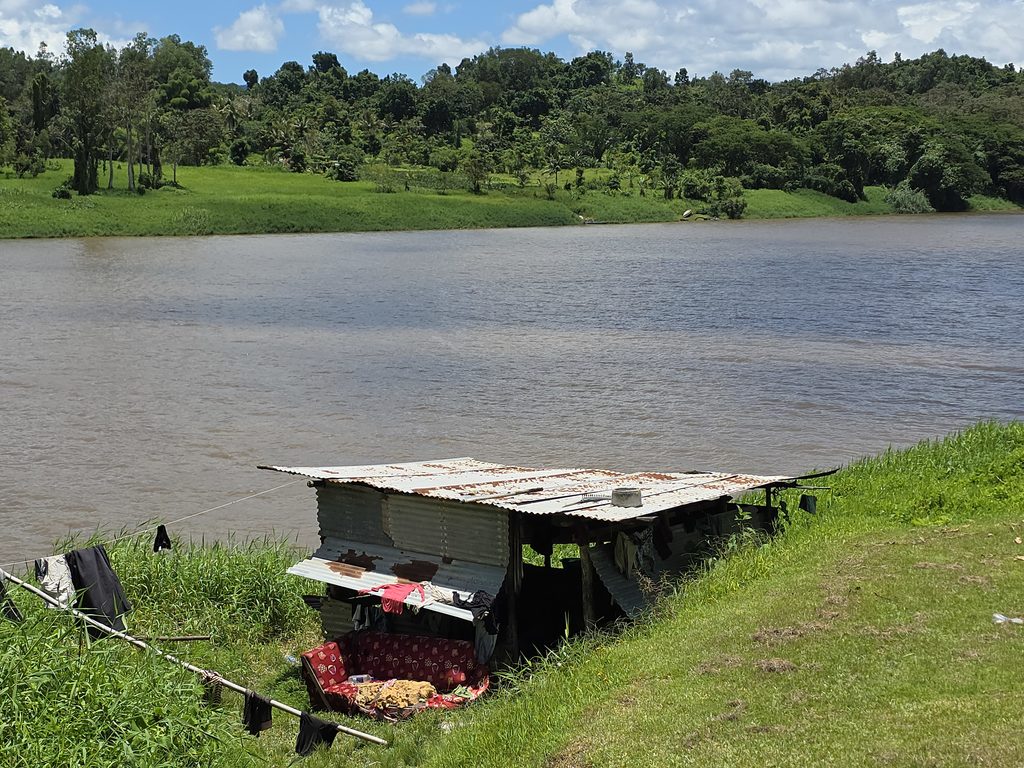
A riverside shed awaits the return of village women from the river. Picture: JOHN KAMEA
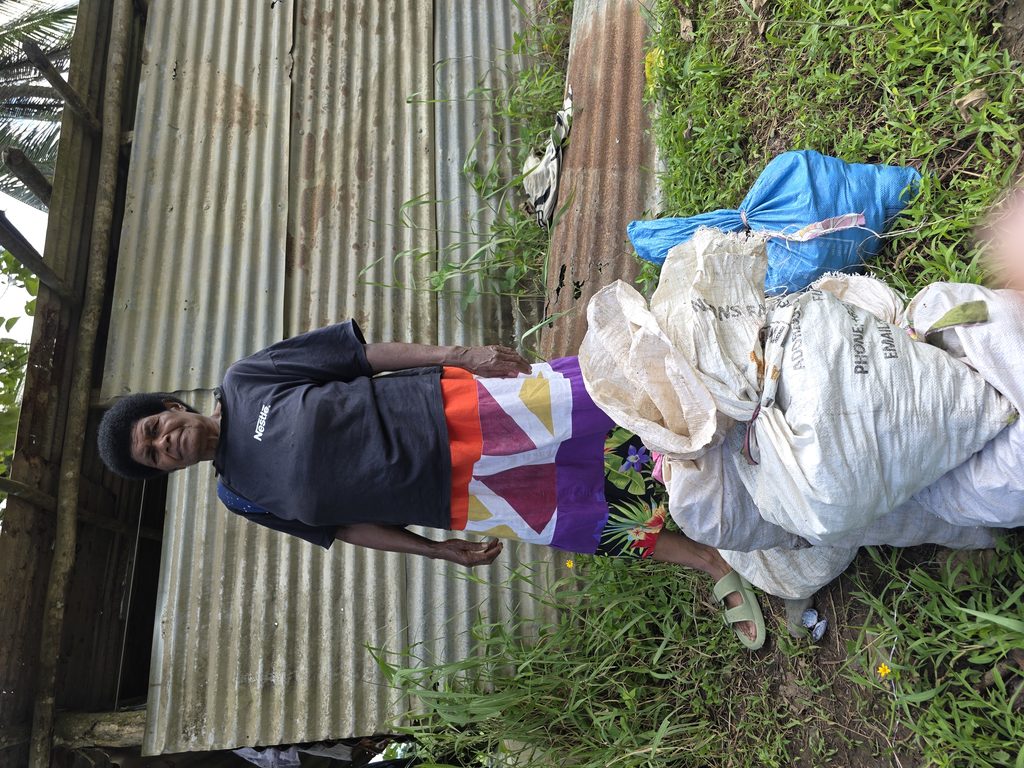
Right: Sereima Matea, 69, with her bags of kai after a successful day in the Rewa River. Picture: JOHN KAMEA
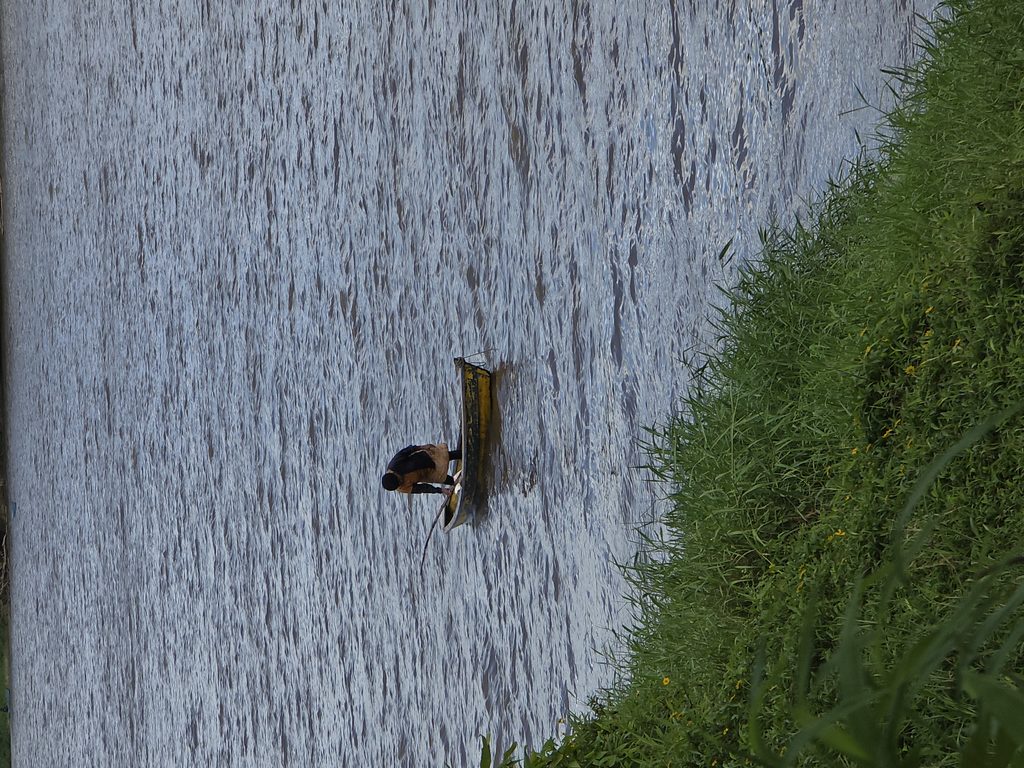
Josivini Kaurogo,66, comes ashore after four hours in the water. Picture: JOHN KAMEA
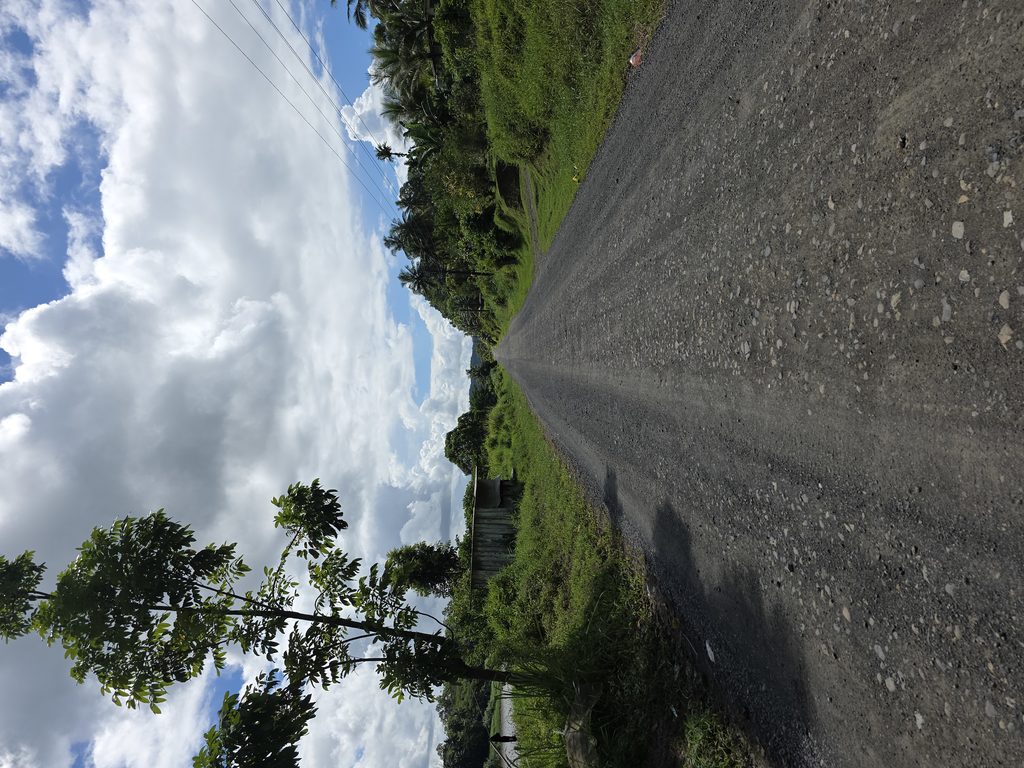
The Baulevu Road stretch with a kai shed in a distance. Picture: JOHN KAMEA

