
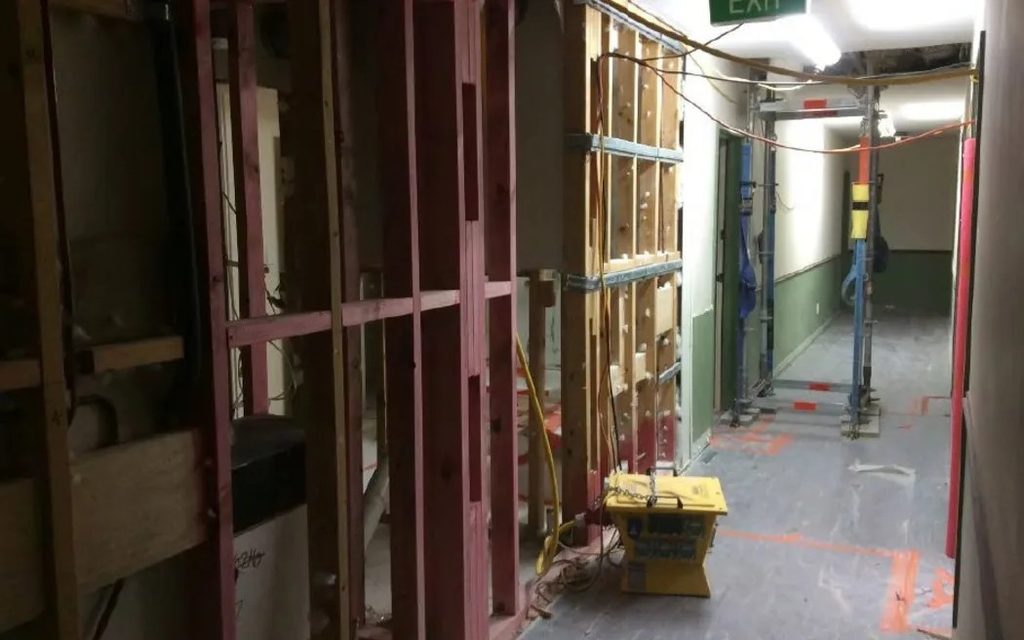
A faulty electrical system, a collapsing roof, or the sudden loss of water supply is not just an inconvenience it is a direct threat to health and safety.
In Fiji’s rental sector, these situations are not uncommon, yet many tenants remain uncertain about their rights when landlords fail to act.
There is, however, a clear framework within which landlords and tenants can follow, in accordance with Fiji’s Self-Regulating Guideline (SRG) for landlords and tenants.
The SRG, while not a legally binding law, provides a detailed framework governing landlord and tenant relationships, where both parties rights and responsibilities can be balanced.
At its core lies a fundamental principle; a property must be ‘fit to live in’ at the start of the tenancy and maintained in that condition throughout.
This feature article explores the various responsibilities of landlords to maintain safe living conditions, and the rights available to tenants when those responsibilities are neglected.
At its core, it is about one fundamental principle; safe housing is not optional.
A continuous duty to repair and maintain
Under the SRG, a landlord’s obligations are not limited to handing over the keys.
Section 5.11 makes it clear that landlords must maintain the premises in a reasonable state of repair, taking into account factors such as the age of the property, the rent paid, and its expected lifespan.
More specifically, landlords are responsible for ensuring that:
n The structure and exterior of the property are sound;
n Water, electricity, and sanitation systems are functioning properly;
n Fixtures and fittings provided with the property remain in working condition; and
n Common areas and access points are safe.
This obligation is ongoing.
A landlord cannot avoid responsibility simply because a defect arises after the tenancy begins.
Urgent repairs: Where delay becomes dangerous
The SRG draws a clear distinction between general maintenance and urgent repairs, and the latter carry immediate legal consequences.
According to Section 5.11.3, urgent repairs include:
n Burst water services;
n Blocked or broken sanitation systems;
n Serious roof leaks;
• Dangerous electrical faults;
n Flooding or major structural damage;
n Breakdown of water or electricity supply; and
n Any condition that renders the premises unsafe or insecure.
In these situations, the landlord should act “as soon as reasonably possible” after being notified.
Tenant action: When landlords fail to respond?
A critical and often overlooked protection under the SRG is found in Section 5.11.4.
Where a landlord fails to carry out necessary repairs after being notified, tenants may take action themselves.
This includes:
n Arranging repairs independently;
n Using qualified or licensed professionals where appropriate; and
n Seeking reimbursement from the landlord upon providing receipts.
However, this right is not unlimited. The SRG requires that:
n The landlord must first be given notice of the defect;
n A reasonable opportunity to carry out repairs must be provided;
n The damage must not have been caused by the tenant; and
n Proper documentation (including receipts and written notice) must be maintained.
This provision reflects a practical balance.
Tenants should not be forced to remain in unsafe conditions simply because a landlord fails to act.
Step-by-step escalation
The SRG outlines a clear escalation process where disputes arise:
1. Initial Notification – tenants must first communicate the issue to the landlord, ideally in writing, and allow time for response.
2. Follow-up and formal request – if ignored, tenants should issue written reminders and set reasonable deadlines for repairs.
3. Regulatory intervention – under Section 5.25, tenants may lodge complaints with consumer protection agencies which can investigate and mediate disputes relating to unfair conduct.
4. External authorities – where premises are unsafe or uninhabitable, matters may be referred to municipal councils or public health authorities for inspection and enforcement.
5. Legal recourse – for financial claims such as unreimbursed repair costs tenants may seek redress through the Small Claims Tribunal or the courts.
This structured approach ensures that disputes are addressed progressively, while maintaining fairness to both parties.
Important limitations on tenant action
While the SRG empowers tenants, it also sets clear boundaries.
Notably, tenants:
n Must not stop paying rent, unless directed by a court or tribunal;
n Must not undertake major repairs without first notifying the landlord; and
n Must not abandon the tenancy without following proper legal procedures.
Failure to follow these steps can weaken a tenant’s legal position, even where the landlord is at fault.
A question of accountability
In extreme cases, unsafe housing conditions may also intersect with broader legal frameworks.
Where a property poses risks to the health and safety of its occupants, particularly in relation to sanitation and hygiene, municipal and public health authorities retain the power to inspect and intervene where premises are deemed unfit for habitation.
Ultimately, the SRG reinforces a simple but powerful principle: renting out property is not just a commercial transaction; it carries legal responsibility for human safety.
A landlord who ignores dangerous conditions is not merely breaching a tenancy agreement; they are failing in a duty that can have real consequences for health, dignity, and life itself.
For tenants, the message is equally clear. Know your rights, document everything, and follow the proper channels. The law in Fiji does not expect tenants to endure unsafe living conditions.
It provides them with the tools to act.
Conclusion
Safe housing is the foundation of any functioning society.
The SRG ensures that this standard is not left to chance, but grounded in enforceable responsibilities and clear remedies.
When repairs are ignored and risks emerge, tenants are not powerless, they are protected by a system designed to uphold their safety, dignity, and well-being.
Safe dwellings are not just about compliance, it is about accountability, responsibility, and respect for the fundamental right to live in security.

