
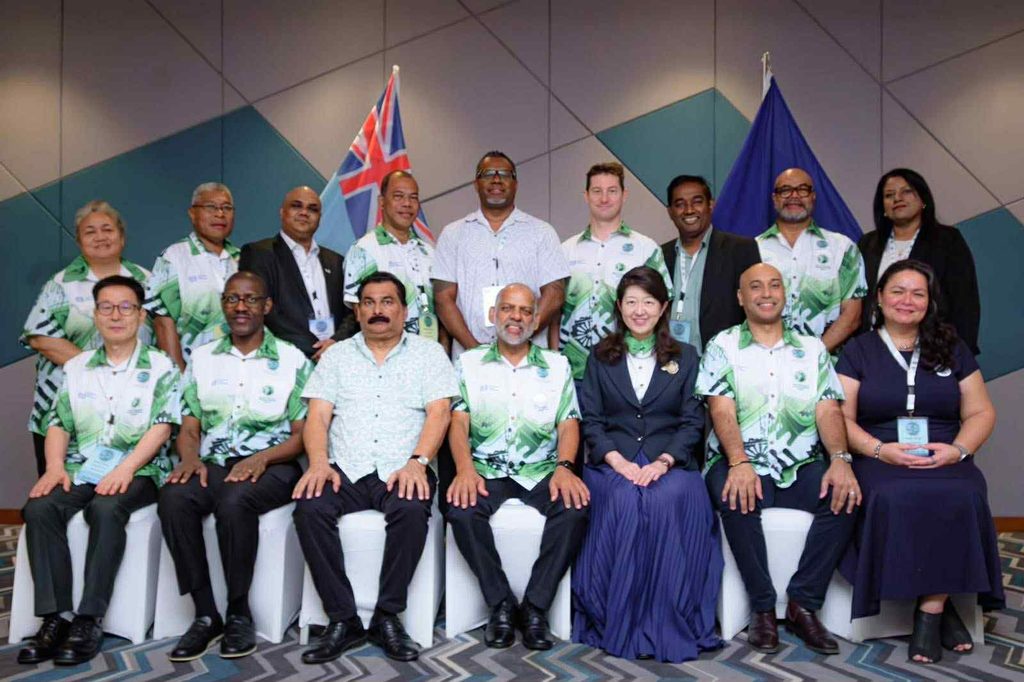
THE Fiji Commerce & Employers Federation (FCEF) is globally recognised as an Employer and Business Membership Organisation (EBMO).
The main objective of an EBMO is to promote the economic and social interests of its member enterprises and associations. According to the International Labour Organization (ILO), EBMO is a voluntary, independent and membership-based group of companies and/or industry or territorial association established to represent, protect and advance the collective interests of the private sector; and to provide support and services to members.
In the Pacific, they are also called National Private Sector Organisations (NPSO).
Today, FCEF stands as Fiji’s most representative and nationally recognised EBMO NPSO.
With unmatched breadth and depth of membership across all sectors and business sizes, FCEF uniquely represents the collective voice of the private sector. FCEF is incorporated as a company limited by guarantee and operates as a not-for-profit organisation.
Regional and international representation
FCEF holds strong regional and international standing through its formal affiliations with the Pacific Islands Private Sector Organisation (PIPSO) and the International Organisation of Employers (IOE).
Within the Pacific, FCEF is widely recognised as a leading EBMO, regularly providing strategic guidance and leadership in regional business dialogue, trade negotiations and private sector engagements.
As a PIPSO affiliate, FCEF participates in the Private Sector Dialogue at Pacific Leaders’ Meetings convened by the Pacific Islands Forum Secretariat (PIFS), enabling direct contribution to the shaping of regional economic, trade, employment and social policy positions on behalf of its members. This affiliation further strengthens FCEF’s position to support its members, especially for Fiji-owned businesses who also operate in the regions.
At the international level, FCEF represents the Fiji private sector at the International Labour Conference (ILC) in Geneva, under Fiji’s membership of the International Labour Organization (ILO) and through FCEF’ affiliation with the IOE. Through the EBMO platform, FCEF actively contributes to the development and negotiation of international labour conventions and standards, exercising full voting rights equal to those of EBMOs from Asia, Europe and the Americas.
National representation and influence
By virtue of being the most representative EBMO, FCEF nominates representatives to many national committees and boards that make key policy decisions.
Two of the most critical are the Employment Relations Advisory Board (ERAB) and the Wages Councils (WC).
FCEF nominates five representatives to the ERAB and 10 representatives to the WC.
These representatives engage with Government and trade union representatives to discuss and negotiate the best outcomes for the private sector. In 2025, FCEF’s ERAB representatives, supported by the FCEF Secretariat, successfully advocated for the draft Employment Relations Bill to be released for public consultation and have since continued to hold the Ministry of Employment accountable throughout the process. In parallel, FCEF’s Wages Council representatives, with Secretariat support, developed and submitted a comprehensive analysis in response to the proposed meal allowance increases, with negotiations leaning toward a more balanced and sustainable rate. This unique social dialogue called “tripartism”, is embedded in Fiji’s labour laws and provides legitimacy to what FCEF does for its members at national level.
The voice of the private sector
The core of FCEF’s work is advocacy, lobbying and member services. These range across various topics and services that members need and seek.
2025 was a big year for key policies and legislations. FCEF, after collating views from its membership, contributed to the TVET policy, National Employment policy, Labour Mobility policy, MSME Strategic Plan, Employment Relations Bill, Work Care Bill, Access to Capital Bill, Education Act and FNPF Act. FCEF representatives were also engaged in discussions on work permits, skills and labour gaps and productivity.
To ensure that member views are included, the FCEF Secretariat convenes various in-person and on-line activities to develop FCEF position on specific policies and legislations.
Advocacy & Lobbying and Communications Strategies are then developed to amplify FCEF’s position.
For instance, the substantial 34.7per cent increase in EFL tariffs, without consultation is one recent example.
The FCEF Secretariat was mandated by its members to lobby for the suspension of the implementation date.
Lobbying was successful, implementation was suspended and consultations organised within two weeks of the initial decision.
The governance of FCEF
FCEF is governed by a 13-member Board that is responsible for the overall strategic direction of FCEF.
The Board members who also make up four sub-committees are responsible for overseeing specific strategic areas such as Good Governance, Financial Sustainability, Communications and Membership Services, and Asset Management.
Below the Board is a six-member Executive Committee (EXCOM) that provides operational guidance to the chief executive officer (CEO). The CEO, all female Senior Management (SMT) and junior staff form the FCEF Secretariat.
Together they are responsible for operationalising the Federations vision and objectives. Supporting this work are various councils and committees that represent FCEF across key industry and thematic areas.
While there may not be high volumes of work compared to larger companies, the intensity and sensitivity required to successfully deliver member expectations is very high.
The current Governance structure ensures access to expert advice, supports informed decision-making and promotes coordinated, collective action.
Joining FCEF and member benefits
As a member of FCEF, businesses gain direct access to Fiji’s most influential private sector advocacy platform and a trusted partner in navigating policy, regulatory and labour-related matters.
Membership provides a collective voice in national, regional, and international policy dialogue, ensuring that business perspectives are represented where decisions are made.
FCEF members benefit from:
• Representation and advocacy at national, regional, and international levels, including engagement with Government, tripartite forums and global labour institutions,
• Policy influences through structured consultations, submissions and social dialogue mechanisms,
• Access to expert advice and guidance on employment relations, wages, labour law and regulatory developments,
• Timely information and analysis on legislative and policy changes impacting business operations,
• Participation in councils, committees, and working groups that shape sectoral and thematic outcomes,
• Networking and collaboration opportunities across industries and with key stakeholders,
• Support services and capacity-building initiatives tailored to employer needs.
Above all, membership of FCEF strengthens the collective capacity of the private sector to engage constructively with Government, influence policy outcomes and contribute to sustainable economic and social development in Fiji and the wider Pacific region. You can become a member by visiting our website https://www.fcef.com.fj/become-a-member/ or scanning the QR Code.
* Membership benefits vary based on your membership category.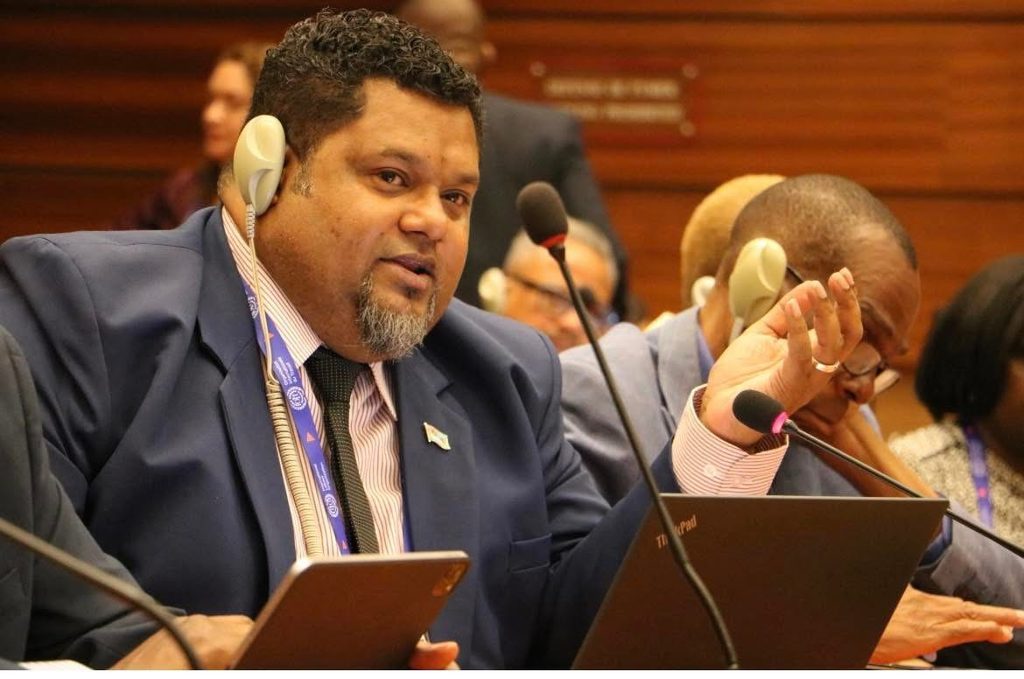
FCEF CEO Edward Bernard. Picture: SUPPLIED

