
Understand risk and liabilities before deciding on deep sea mining (DSM).
This was the message from United States lawyer Lori Osmundsen to the people of Tonga.
She was speaking in Nukualofa yesterday at the launch of a Civil Society Forum of Tonga (CSFT) commissioned report titled “Tonga and Deep Sea Mining: An Evaluation of Legal Frameworks, Obligations, Liability Risks, and Measures for Strengthening the Kingdom’s Capacities with Regard to Environmental Impact Assessment.’
In a press statement, Ms Osmundsen, the author of the report, said Tonga needs to understand its responsibilities with regards to its national laws and international laws.
“It is important to learn from Nauru’s experience, particularly, the technology utilized in order to understand how DSM might impact Tonga should it consent,” she said via a video message.
The report was launched on the margins of the Fifth P-SIDS Regional Training and Capacity Development workshop organised in the context of the Abyssal Initiative for Blue Growth which ends today.
During the forum, Tonga reviewed legislation and environmental impact assessments (EIAs) done by the Nauru Government on technology used by the DSM company, NORI (Nauru Oceans Resources Inc).
“The lessons learnt from Nauru’s experience were, there were a lot of problems with the process in the conducting of the EIA. The EIA was conducted by the government of Nauru and NORI, and not by an independent body,” Ms Osmundsen said.
She said there was lack of transparency, not enough public engagement and consultations, very little opportunities for people to hear about what will be done and there was insufficient information in the report from the deep sea mining company with regards to the impact on the deep sea ecosystem.
“In addition, there was not enough time to go through the reports to make an informed decision, but rather it was rushed into. Those problems can be expected to happen in Tonga.
Ms Osmundsen said there was only one deep sea mining contractor in Tonga – Tonga Offshore Mining Limited (TOML) – but it was Tonga’s responsibility to be aware of what the company was doing.
“If TOML fails to meet any regulations or in the case of fraud, Tonga will be responsible for the damages caused and any liability caused by the contractor.”
CSFT board chairman Drew Havea said the report would be an importance reference document because it outlined options and recommendations to help improve Tongan laws to safeguard the environment and people in light of DSM operations.
“CSFT is particularly happy that the report outlines ways in which the process of conducting EIAs can be improved if DSM commences in Tonga,“ he said.
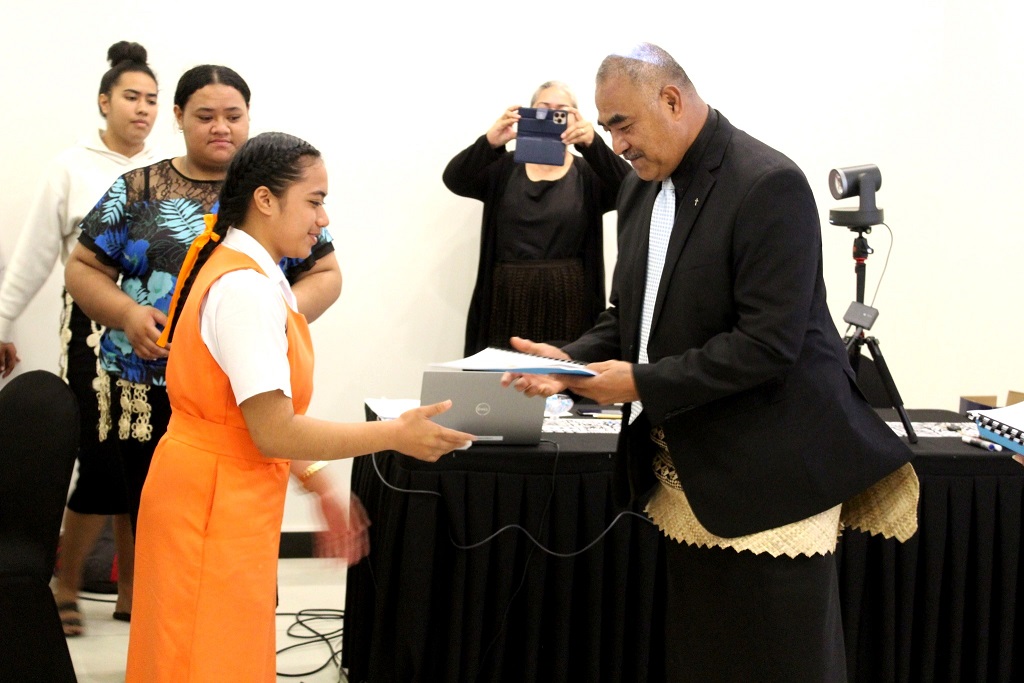
More than 30 representatives from communities, secondary and tertiary schools, non-governmental organizations and faith-based organizations attended the launch at the Tanoa Hotel.

