
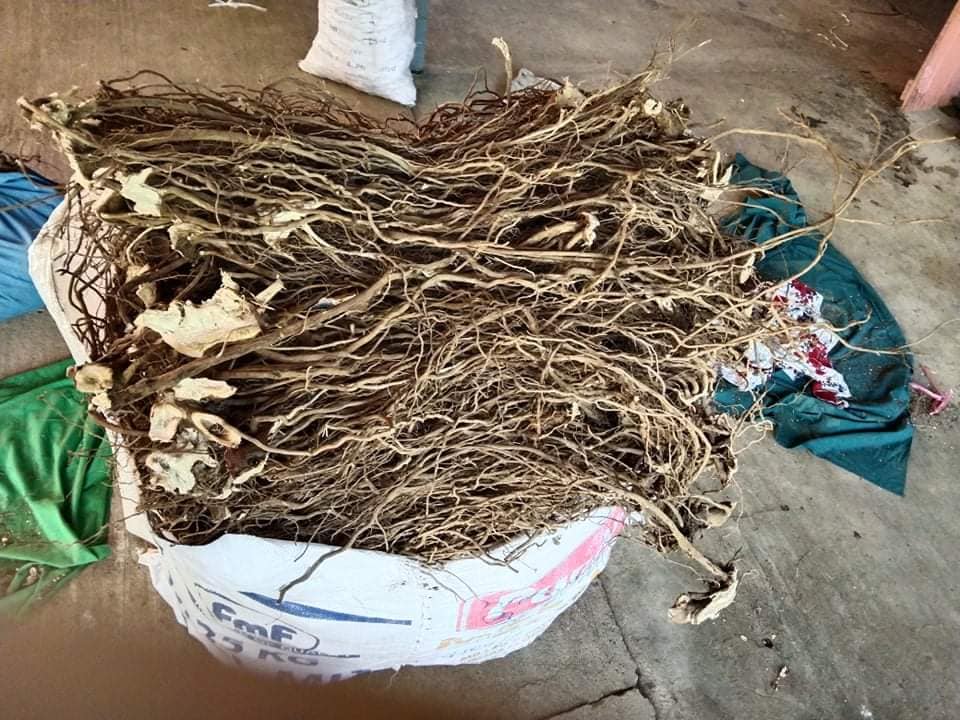
The United States Food and Drug Administration (FDA) has officially confirmed that kava is a conventional food under US federal law, a move expected to significantly benefit Fiji’s kava industry and Pacific exporters more broadly.
The clarification recognises that when kava is prepared in the traditional way — mixed only with water and consumed as a beverage — it holds a legitimate and established place within the US food system.
This brings long-awaited regulatory certainty after decades of controversy surrounding kava exports to the US and Europe since the early 1990s.
For Fiji, where kava is deeply rooted in culture and livelihoods, the decision is being welcomed as a major breakthrough.
Local exporters have long faced barriers due to negative publicity linked to non-traditional uses of kava, including mixtures with alcohol or narcotics, which are not reflective of Pacific practices.
The FDA’s position provides a clear framework for policymakers and health inspectors and strengthens the case for kava to be regulated under existing food safety processes rather than as a drug.
This is expected to support Fiji’s efforts to expand market access, particularly in Australia and Europe, where legislation has previously restricted imports.
Interest in kava has surged on the US West Coast over the past decade, with the rise of kava bars and increased consumer demand.
In 2024 alone, kava exports from Fiji and Vanuatu to the US were valued at between US$26 million and US$45 million.
In a written statement, the FDA said the longstanding cultural use of kava as a beverage informed its assessment under federal law, reinforcing the legitimacy of traditional Pacific preparation methods.

