

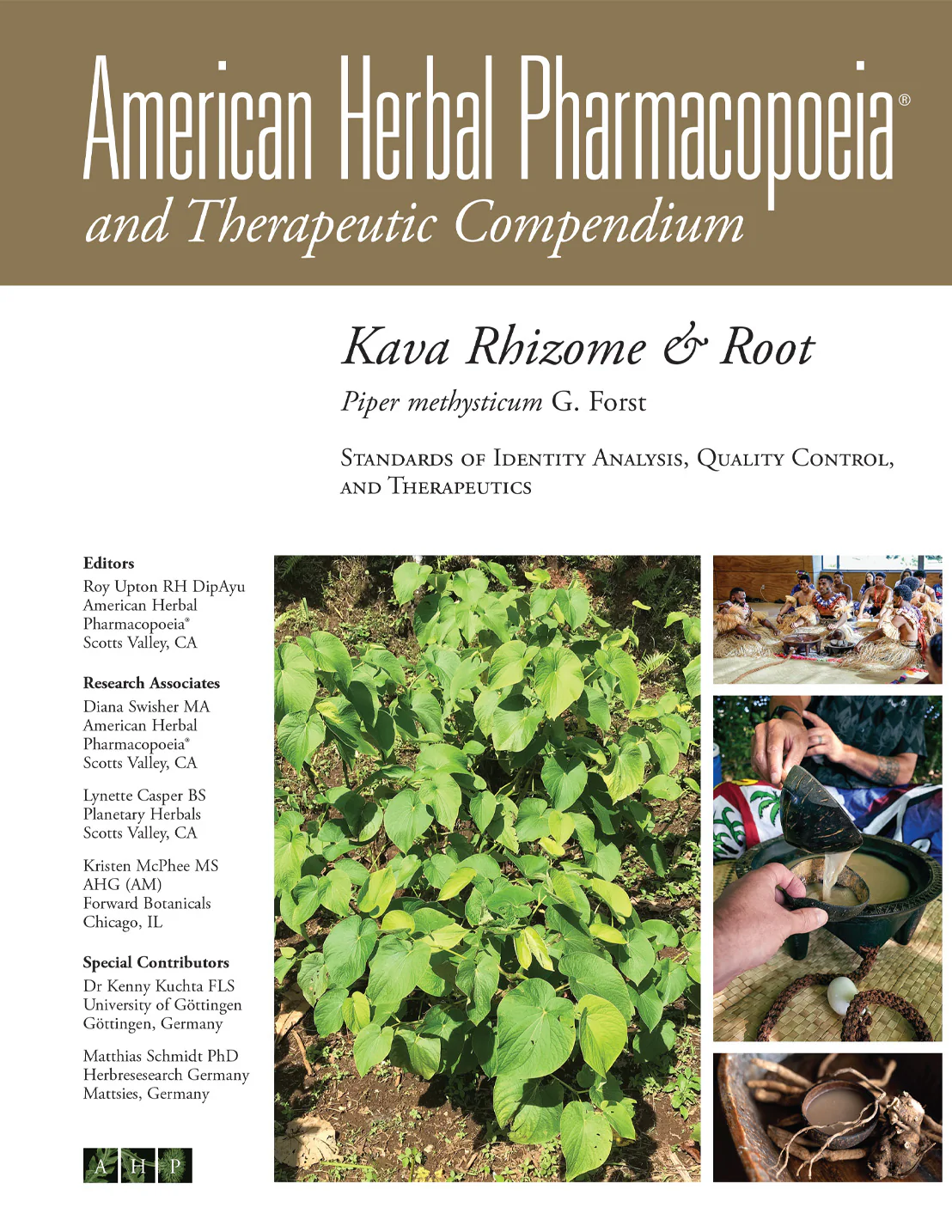
AMERICA is leading the way in restoring the reputation of kava as a safe, culturally significant and pro-social beverage with the publishing of the Monograph and Therapeutic Compendium for kava rhizome and root by the American Herbal Pharmacopoeia (AHP).
Published and released last month, the monograph describes kava as “one of the safest and most effective botanical anti-anxiety herbs we have”, with AHP’s own assessment debunking the famous controversial liver toxicity claims by Germany’s food and drug regulator two decades ago that led to a blanket ban on kava in its major markets across the European Union (EU), the US, Australia and New Zealand.
“The genesis of the monograph began in the early 2000s, when kava was booming worldwide,” AHP said in its assessment.
“Then concerns regarding potential hepatotoxicity emerged that led to an almost entire world ban on this precious botanical.
“All work on kava stopped and it has taken decades to really understand the issues of concern.
“Many theories regarding the potential for liver toxicity were put forth, all of which seem plausible; the wrong type of kava was used (noble vs today), wrong plant part (root vs stem); islander vs European genetic polymorphisms, microbial contamination, organic solvents in modern preparations vs. traditional water preparations, and the list goes on but these are primary.
“It is accurate to say that some of these things occurred but when all the data are critically reviewed, it is clear that hepatotoxicity is idiosyncratic; it does not appear to be dose, solvent, or time dependent.
“Based on an abundance of clinical and pre-clinical studies, meta analyses, and systematic reviews, kava remains one of the safest and most effective botanical anti-anxiety herbs we have, especially when used within its cultural context of bringing community together, but also when used according to well-established guidelines provided in numerous clinical trials.”
Kava’s inclusion in AHP’s work will boost its profi le in the US market and particularly significant in the area of compliance for manufacturers.
“Current Good Manufacturing Practices (cGMPs) for dietary supplement ingredients require that manufacturers establish specifications regarding the identity, purity, quality, composition, and limits on contaminants for each dietary ingredient, and that scientifically valid methods be used to ensure that those specifications are met,” AHP stated.
“Each monograph provides the most relevant information needed to comply with cGMPs.”

