
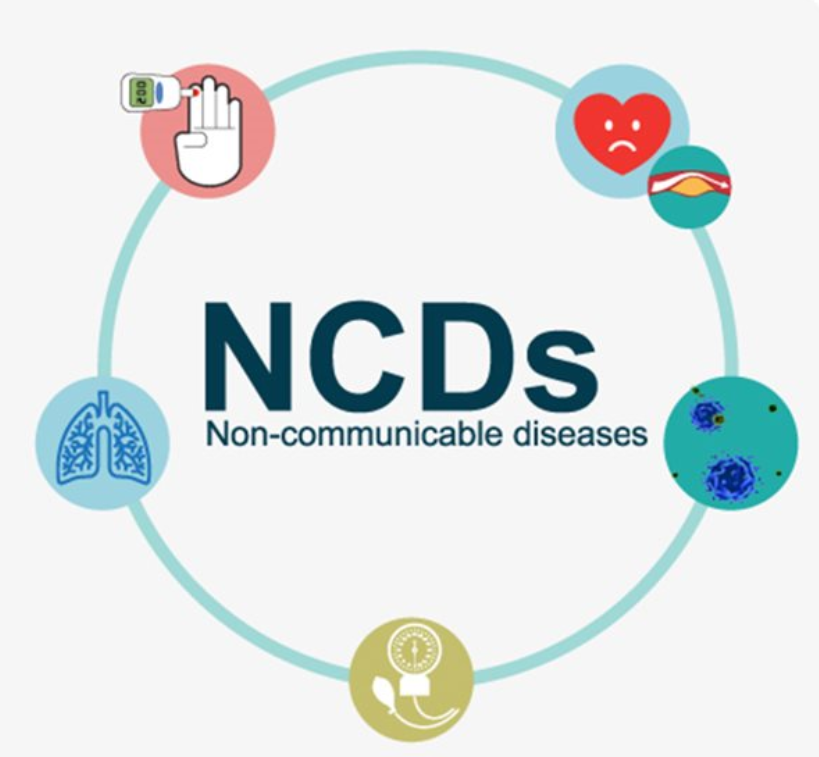
THE Asian Development Bank says Fiji needs urgent health reforms as the non-communicable disease crisis is draining Fiji’s economy.
The ADB states Fiji has to fast-track health sector reforms, warning that non-communicable diseases (NCDs) are placing a heavy and growing burden on both the health system and the economy.
In its Economic Trends and Prospects report released last Friday, the ADB stresses that “health sector reforms must be accelerated further by aligning support with national priorities”.
The report highlights the scale of the crisis, noting that “Fiji faces a severe health crisis, with NCDs accounting for more than 80 per cent of deaths and costing approximately $263 million annually”.
Diseases such as diabetes, cardiovascular conditions and obesity are widespread, driven by unhealthy diets, sedentary lifestyles and gaps in preventive care. Looking ahead, the ADB says stronger policy action is essential, particularly increased investment in public health. It notes that “policy reforms are needed to raise public health expenditure towards reducing NCD prevalence and enhancing primary healthcare service delivery,” adding this will “help improve long-term socioeconomic outcomes and build resilience against health and climate-related shocks”.
To fund these efforts, the bank suggests new taxation measures, stating “the necessary funding could be raised by expanding excise tax coverage to include additional high-sugar products and applying tiered excise rates based on sugar content.”
It adds such steps would “incentivise product reformulation and provide healthier consumer choices”.
The report also warns of broader economic fallout, saying “this burden strains the health system and reduces workforce productivity, creating long-term economic risks”.
It links the high prevalence of NCDs to weak labour trends, noting this has “contributed to Fiji’s stagnant labour force participation rates… undermining productivity, competitiveness, and resilience”.

