
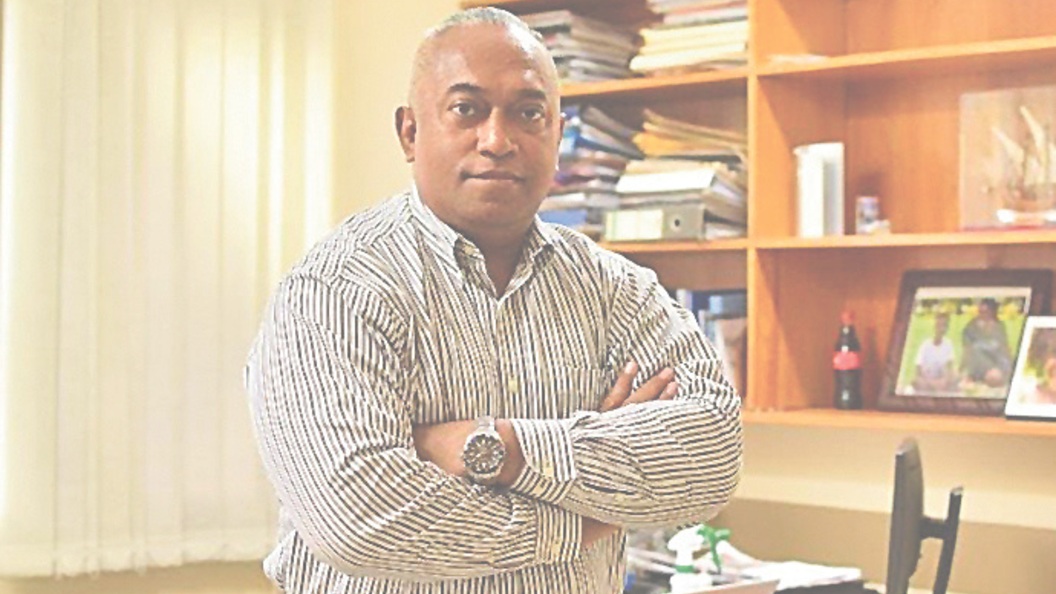
As controversy about whistleblowers and off-the-record conversations dominate media circles, The Fiji Times editor-in-chief Fred Wesley says trust between reporters and their sources remains the backbone of journalism.
“Trust is one of the most important keys to our work – it’s the base from which we operate,” he said.
“If sources ever feel their confidentiality may be compromised, they may not speak openly or engage with us.”
Wesley was commenting after the recording of a discussion between MaiTV journalist, Lavenia Lativerata and acting Fiji Independent Commission Against Corruption Commissioner, Lavi Rokoika was played in the High Court earlier this week. Part of the discussion was agreed between them to be off the record.
Ms Lativerata delivered the recording to the court in answer to a witness subpoena, a court order requiring her to attend and give evidence.
Wesley said even when journalists complied with court orders and the law, public perception still mattered.
“When trust is not there, the stakes are quite high, because sources may dry up.”
He said protecting sources, particularly those sharing sensitive or off-the-record information, was a core ethical duty for journalists.
“I believe we are ethically bound to protect sources, especially when information is shared off the record or under agreed conditions.
“There is a responsibility to ensure the terms of an interview are clearly understood by both the journalist and the source.
“If comments are off the record, they should not be published or disclosed.
“However, we understand that if we are ordered by the courts to disclose them, we don’t have a choice if we want to follow the law.” Wesley said clear agreements and strong internal systems were critical, adding that some media companies had policies on off-the-record conversations.
“Recordings, notes, and transcripts must be securely stored and accessed only by those directly involved in the story.”
He added that responsibility extended beyond publication.
“There is a duty of care.
“We must protect sources from foreseeable harm, including reputational damage, legal exposure, or personal risk.
“Upholding confidentiality is key to maintaining trust in journalism.”
Wesley acknowledged that legal obligations could complicate those protections.
“As editors, we must comply with the law, including court orders or subpoenas, but we should also exhaust all reasonable avenues to protect sources.
“That may include seeking legal advice, challenging orders in court where appropriate, or negotiating limits on what material is disclosed.”
Wesley said high-profile interviews required even stricter safeguards. “Pre-interview briefings, clear agreements on what is on or off the record, secure storage systems and ongoing legal advice are now standard practice in many newsrooms.”
He said strong editorial practices ultimately protected both the story and the relationship with sources.

