
THE labour pains came fast. At the riverside in the forests of Serua, Pua Fisi had to choose – run for help, or stay.
The risks were high either way: she could lose both her mother and sibling.
At her mother’s urging, Pua stayed. The two had been foraging that afternoon, looking for ota and duruka for their dinner. Their home was nowhere near the village.
She would have had to run through the bush to the main road and keep going to reach help. Her mother’s words were clear. “If you go now, it will be too late.”
She helped her mother back to the house. Inside, she lit a fire and set water to boil. The basics were stored in her memory from watching older women do this before. She returned to where her mother lay and knelt beside her.
At 17, Pua delivered her baby sister and wrapped her carefully in torn pieces of bedsheets.
Later at the hospital, after hearing what had happened, an Australian doctor looked at her in awe.
“In my country, people like you are hailed a hero and rewarded,” he told Pua.
“Even dogs get recognition when they save someone. You will be known as the youngest nurse in this country.”
It was a rare moment of praise in a childhood where affirmation was scarce.
Bruised beginnings
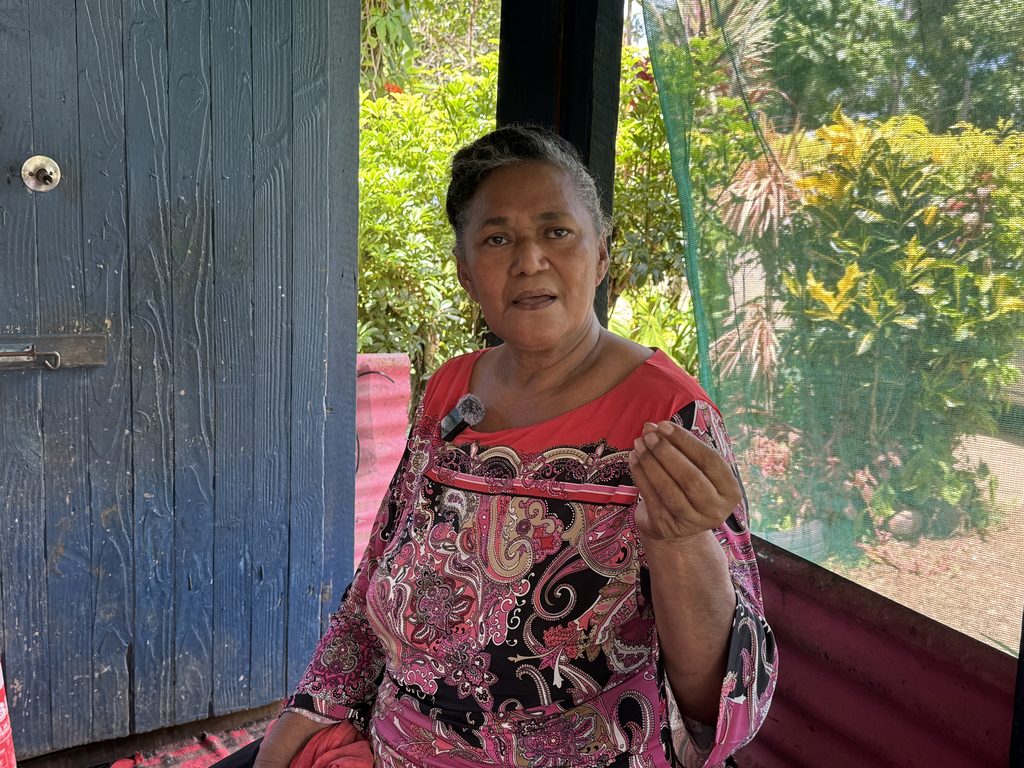
On the porch of her Nadonumai home, Pua reflects on the past.
“My father told me to name my sister since I delivered her. I chose the name Ruci based on my favourite story in the Bible.”
When her parents fought, she was often told to pack her things. She moved between relatives, learning not to speak about what she was feeling.
“I’m an introvert, and usually very shy. I don’t speak about anything I go through.”
At 11, after one of many arguments, Pua was taken to a grandaunt’s home. There, she overheard a conversation that stayed with her.
“My mother told her that I was not to be fed until all the other children had eaten, and that whenever she thought of all the wrongs my father did, she beat me to appease her anger.”
Pua never confronted her mother about it, but she carried it.
At 18, she was sent to Tonga to live with her mother’s family.
“I was severely injured while I was there and admitted to Vaiola Hospital. After X-rays and scans, a doctor told me I would be lucky if I lived to be 40 or 45, and that I couldn’t have children.”
She later experienced intense chest pains.
“I would drift off into a deep sleep, as if I were just waiting to die. It was during those times that I began to experience the power of God in my life.”
Between homes
When she left Tonga to return home, she had “escaped” two marriage proposals. Back in Fiji, she became pregnant with her first child, defying the doctor’s prognosis.
“I’ll be turning 70 next year. I have two sons and six grandchildren – proof that when man says it’s impossible, God can make it happen.”
Growing up, her relationship with her mother was strained.
“I was still getting the hiding from my mother even then. One day she told me to take my child and leave the family home. But my dad told me to leave my son and that I could leave if I wanted.”
She left, but returned daily to breastfeed her baby until she was told they would wean him so she would not have to see him anymore.
The separation drove her into depression. She attempted to take her life. When that failed, she made a vow.
“I decided I would never forgive my mother. Even if she asked for forgiveness, I would never forgive her.”
The long road to healing
Twenty-five years passed. During that time, Pua stopped going to church and focused on raising her family, planting and selling produce in the market.
“I was planting bele one day and heard an announcement on the radio about a course. It was on prophesying. I was curious, so my cousin and I would walk from Nadonumai to the Suva Civic Centre and back to attend the course.”
On the last day, she says she experienced something extraordinary.
“I was seated on the last row near the exit doors. I felt someone touch my hair but no one was there. This happened three times, then I heard a voice say, come with me.”
” I felt like I was rising and could see my body still sitting in that chair. It seemed like the roof had opened up. I could see the night skies, the lights over Suva and the stars so clear. Then the voice said we had to return. As I looked at myself, I felt so unclean and full of sin.”
As she “returned,” the sermon struck her.
“The message was, if you’re living in unforgiveness, let go. At 25, I vowed to never forgive my mother. At 50, I heard the message of love.”
One morning, she decided to visit her mother.
“It was very early and everyone was asleep. I quietly opened the door and was surprised when she called out to me without seeing me. She said she was waiting for me – I knew God had prepared that moment.
“I sat with her and told her I was there to apologise and seek her forgiveness. She said it was she who had failed to show me love as a mother and that she should be the one apologising. Then she asked me to forgive her. We both broke down crying that morning, as we forgave one another.”
Free at last
As she left that day, Pua felt something shift.
“I felt so light and free, as if I had been cleansed.”
Soon after, she and her siblings hosted their mother to a special family meal.
“My mother passed away not long after that. When they say forgiveness releases you, I lived to experience and witness that.”
Far from the shy young woman she once was, Pua now shares her story openly. She went on to deliver many more babies, including during coup curfews. During the 1989 health workers’ strike, she spent time at the Suva maternity unit learning by watching and assisting in deliveries.
“Nothing in creation is hidden from the sight of God. Throughout my life, especially in times of suffering, I have experienced the love, protection and blessings of God. I share my story to reach people who may be facing hardships like I have – those who have been pushed around and looked down on.
“This is to remind them that God is closer to you than you think – closer than even the clothes you wear.”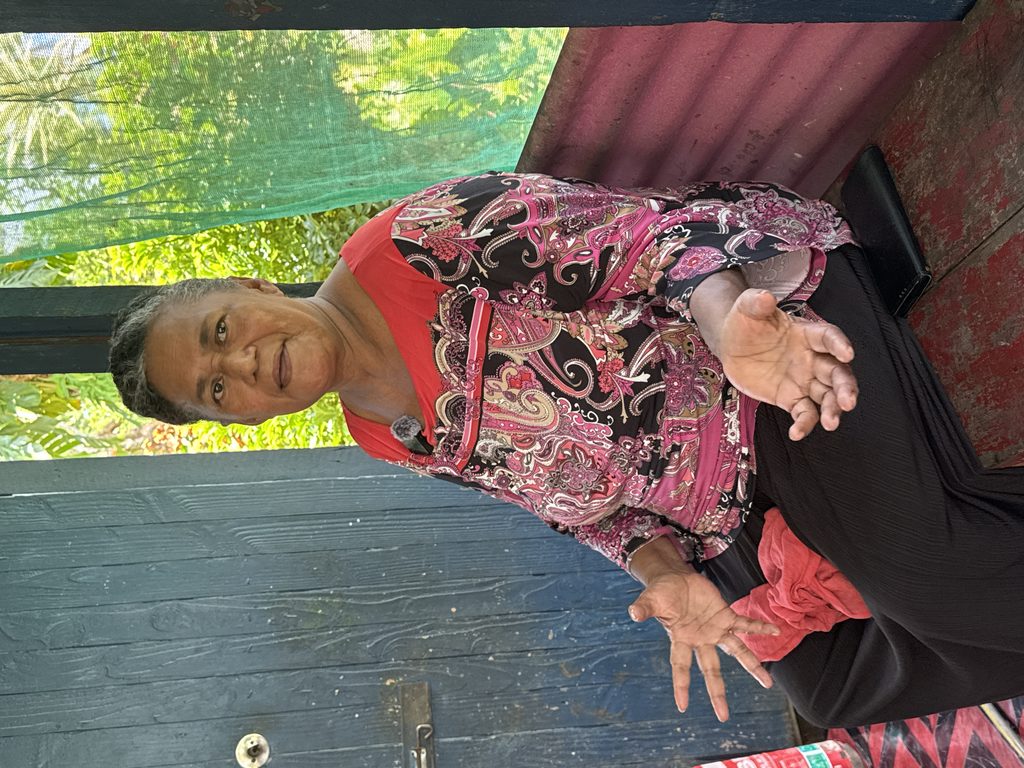
Unforgiven no more… Pua Fisi shares her story with The Sunday Times during an interview at her home in Nadonumai. Picture: SAMANTHA RINA
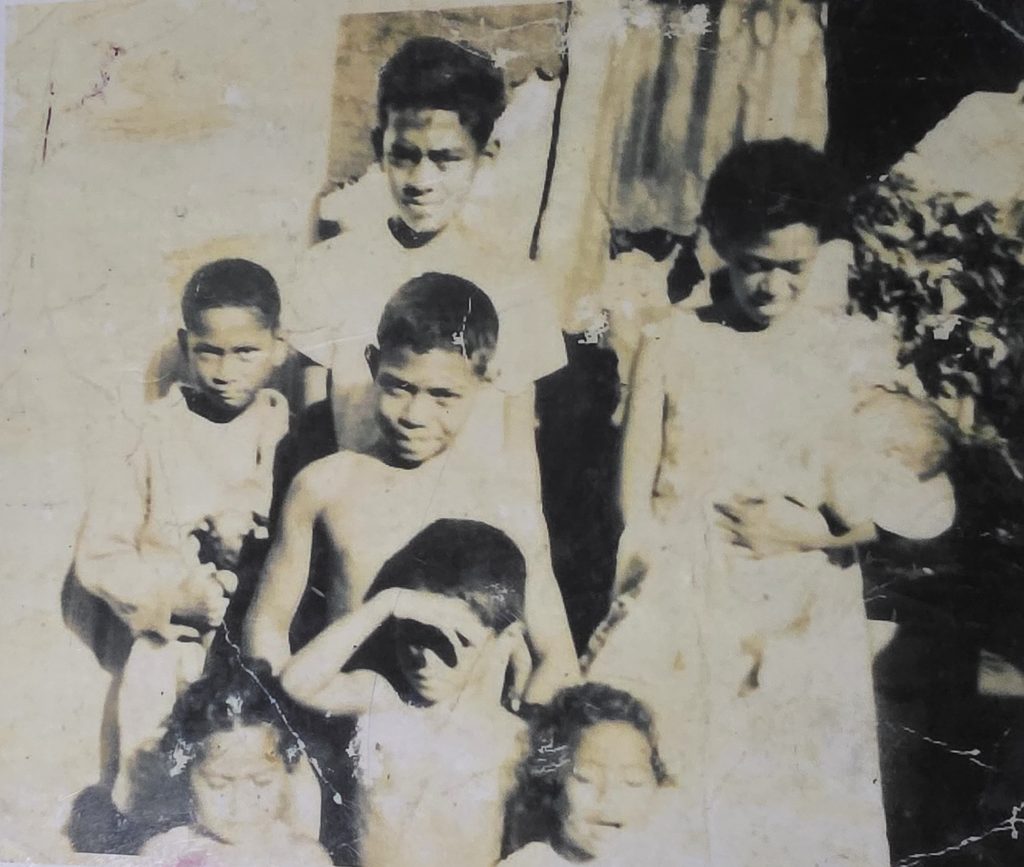
In this image, Pua, right, carries a younger sibling. She dedicated most of her life to raising children including her own siblings. Picture: SUPPLIED

