
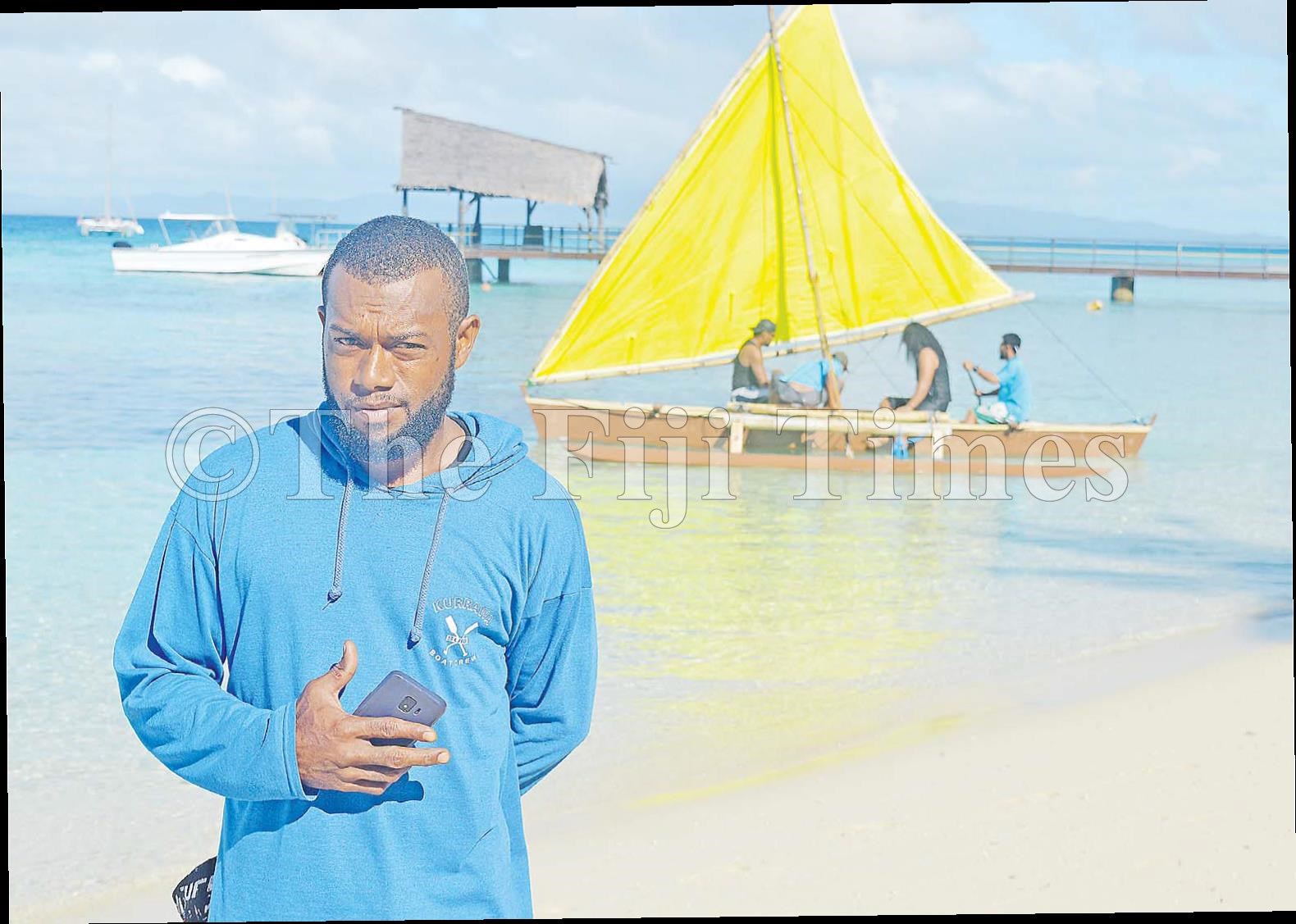
Drua is a vessel that were once the pride of Fiji as our ancestors used it sail across the ocean with its distinct sail.
The traditional camakau and drua or double hulled canoes were massive in size and would sail with precision using just the wind and the constellations for direction.
Early accounts of these traditional vessels tells of fascinated European explorers who marveled at its speed and strength.
These vessels went against the thoughts of Western designs.
But alas after the introduction of modern culture and the move towards fiber boats, the art of building such vessels have been lost.
But for the past few years, The Uto Ni Yalo Trust have been vocal on the use of traditionally sustainable vessels.
The Trust is dedicated to reviving Fiji’s sustainable sea transportation culture by bringing back the art and knowledge of Fijian canoe sailing and navigation skills.
And while we have lost those ancient massive canoe structures that once glided proudly upon our waters, a group of young people have been taking part in a workshop organised by The Uto Ni Yalo Trust.
The workshop teaches the youths on how to repair, rig and sail a camakau at Leleuvia Island in the Lomaiviti Group.
One of them was Maciu Kelekelevesi of Rukuruku, Ovalau.
He was among 20 youths from villages on Moturiki, Nasesara and Ovalau who took part in the project. During the program they learnt correct paddling technique for paddling outrigger canoes and how to build their own timber paddles using timber readily available in their communities.
“It’s a huge learning experience for me,” says Maciu.
“We have been too reliant on fibre boats especially at our village. Too often we look down on these traditional vessels because of its outdated way of sailing but it belongs to us the iTaukei and we should be proud of it.
“If we were to reintroduce this back at the village — it would be a very new thing for the young people at home. We would have to relearn how to sail.
“I gained so much information on how to build the canoe, the type of wood it uses, and the glue it needs. I’ve already picked up ideas on how to build such a boat and what better wood to use.
“If we were to compare the fuel price for the fibre boat and the canoe which uses practically nothing but the wind and the sun, just imagine the money we can save from this.
“But just by using the natural wind, it’s amazing how fast these boats can sail.” During the three-day workshop, the youths camped at the tradition Fijian canoe, the Uto Ni Yalo. Maciu says it was an enriching experience seeing how the traditional vessel operated.
“We got the chance to learn how to tie ropes which has has its different methods and how to sail the Uto Ni Yalo and I’m amazed at how we easily got used to it.
“I usually just stay in the village and farm but coming out here has been very fruitful. I will go back and teach the youths in my village. I think this is the way to go instead of buying expensive fibre boats.”
A traditional handing over ceremony will be held this weekend at Nasesara Village in Moturiki to officially hand over the traditional canoes to each of the participants’ villages.

