
As Fiji prepares to host the eighth Melanesian Arts and Culture Festival in 2026, we reflect on how naturally culture and tourism sit beside one another in our islands. Visitors may continue to arrive for beaches and sunshine, but more often now, they’re looking for and staying longer for something deeper. They stay for people, for stories, and for traditions that have been carried through generations. For those of us working in the tourism industry, culture is the living heartbeat of the country that manifests so naturally through our people. That is why the upcoming Melanesian Arts and Culture Festival, widely known as MACFEST, matters so much for Fiji and for the wider Melanesian family.
MACFEST is one of the most significant cultural gatherings in the Pacific that brings together the Melanesian nations of Fiji, Papua New Guinea, Solomon Islands, Vanuatu, and New Caledonia in a shared celebration of heritage, creativity, and identity. First conceived through the Melanesian Spearhead Group in the late 1990s, the festival has since rotated between member countries every four years. Over time, it has grown into a major regional platform where artists, performers, scholars, and communities gather to showcase the richness of Melanesian culture while strengthening the bonds that tie our region together. These festivals remind us of our deep roots, our links to the past and where they take us, and hopefully instil the pride in this cultural depth that makes us who we are today.
Hosting MACFEST is not simply about putting on a good event but carries with it a responsibility to represent the diversity and strength of Melanesian culture while honouring the traditions of our own iTaukei people. For Fiji, it is an opportunity to demonstrate that cultural heritage remains central to who we are, even as our country continues to modernise and connect with the world.
From a tourism perspective, the festival arrives at a moment when cultural experiences are becoming increasingly important to travellers. Around the world, visitors are seeking authenticity. They want to understand the places they visit rather than simply pass through them. Culture is lived every day in our villages, our ceremonies, our language, our food, and our way of welcoming others. MACFEST provides a stage where that authenticity can be shared proudly with the region and with the world.
The festival itself will feature a wide range of events that reflect the depth of Melanesian creativity. Music and dance performances will bring together traditional rhythms and contemporary interpretations. Artisan markets will allow craftspeople to display skills that have been handed down through generations. Cultural symposia will provide space for dialogue on the protection of heritage and traditional knowledge. Pageants, youth programs, culinary showcases, learning experiences and storytelling events will highlight the many ways culture is expressed across Melanesia. At its core, MACFEST is a reminder that culture is not static. It evolves while remaining deeply rooted in tradition.
The tourism industry is proud to support this celebration because culture and hospitality are naturally intertwined in Fiji. Anyone who has spent time here knows that the famous Fijian smile is not an act. It reflects a genuine sense of welcome embedded within our culture. That spirit of veiqaraqaravi, of looking after one another and caring for guests, is something our tourism sector has built its reputation on. When visitors experience that warmth during a festival such as MACFEST, they will not simply be attending an event. They will be experiencing the essence of Fiji.
We have been invited to participate in key subcommittees covering operations, programming, marketing, communications, and sponsorship – an acknowledgement of the tourism industry’s vital role in supporting the festival’s overall success. We hope our deep understanding of logistics, visitor expectations, hospitality standards, and large-scale event coordination can significantly enhance the festival’s delivery. While tourism’s wider benefits might extend well beyond the event itself to amplify the festival’s reach through established global marketing channels, strengthen its brand through authentic storytelling, and attract both domestic and international audiences through the wider exposure to local businesses, artisans, and communities. Ensuring Fiji creates a powerful platform for cultural celebration, economic opportunity, and national visibility.
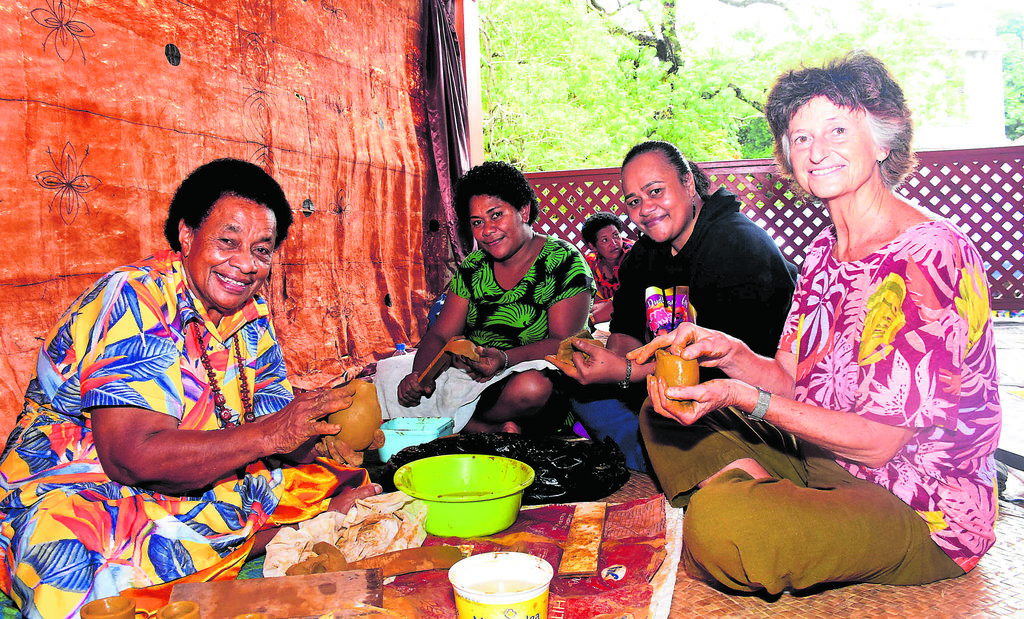
We also hope that there will be increased exposure post the festival through more cultural tours that introduce visitors to village life and traditional practices – especially for communities looking for opportunities. Artisan partnerships can bring local crafts directly into hotel spaces where guests can engage with makers and learn the stories behind their work. Culinary experiences can highlight traditional cooking techniques such as lovo while celebrating the diverse flavours of Melanesian cuisine. These connections create meaningful opportunities for communities while enriching the visitor experience.
Equally important is the opportunity for skills development. Festivals of this scale require expertise in event management, hospitality, cultural interpretation, digital services, videography and logistics. This ensures that the knowledge and experience gained through MACFEST continue long after the final performance has ended.
There is also a powerful storytelling opportunity attached to the festival. The Pacific has always been a region of storytellers — passing down history, identity, and wisdom through song, dance, art, ceremony, and oral traditions. Festivals like this become living stages where those stories are not only preserved but reimagined for new generations and new audiences.
Tourism strengthens this even further. When visitors engage with our stories, they carry them home, amplifying Pacific voices far beyond our shores. The festival becomes more than an event; it becomes a cultural bridge, a platform for sharing who we are, what we value, and how our traditions continue to evolve. It allows communities to showcase their heritage with pride, while also inspiring deeper understanding, respect, and connection.
In this way, the festival’s storytelling dimension is not just entertainment — it is cultural diplomacy, economic opportunity, and identity-building all at once.
At the same time, cultural expression must remain authentic and respectful. As tourism and cultural events grow in scale, there must always be careful consideration of cultural protocols and intellectual property. Traditional designs, performances, and symbols carry deep meaning. Protecting these expressions while ensuring fair recognition and benefit for cultural custodians is essential. We recognise this responsibility and are committed to working closely with cultural leaders and institutions to ensure that heritage is celebrated appropriately.
Hosting MACFEST also brings broader opportunities for Fiji’s tourism landscape. Major regional events attract visitors who may be discovering the country for the first time. While the festival itself will likely centre around Suva, there is potential for visitors to explore other parts of the country as well. Cultural trails, heritage tours, and community experiences can encourage travellers to extend their stay and experience more of what Fiji has to offer beyond the traditional tourism corridors.
From a national perspective, festivals like MACFEST strengthen regional connections across Melanesia. The cultural ties between our nations run deep, and gatherings such as this reinforce those bonds in meaningful ways. Artists collaborate, communities exchange knowledge, and friendships are formed that last well beyond the event itself. In an increasingly complex world, these cultural relationships serve as quiet but powerful forms of diplomacy.
As we look ahead to 2026, there is a sense of excitement building within both the cultural and tourism communities. Hosting MACFEST is not something that happens every day. It is a chance for Fiji to welcome the Melanesian region with the warmth and pride that define our islands. It is also a chance for the tourism industry to stand alongside cultural custodians in celebrating the traditions that shape who we are.
For those of us working within Fiji’s tourism sector, moments like this remind us why our industry matters. Tourism is often spoken about in economic terms, and of course, it plays a vital role in supporting livelihoods across the country. But beyond the numbers, tourism also creates opportunities for providing the most critical platforms for cultural exchange, understanding, and pride. When visitors leave Fiji carrying memories of our culture, our people, and our hospitality, they become ambassadors for our islands in their own communities.
MACFEST 2026 will be a celebration of Melanesian identity, but it will also be a celebration of Fiji itself. It will show the region and the world that culture remains central to our national story. So we are honoured to play a part in that journey, and the Fiji Hotel and Tourism Association looks forward to contributing to the planning and success of this prestigious festival. In doing so, we celebrate not only the heritage of our country and people, but the shared cultural spirit that connects all of Melanesia.
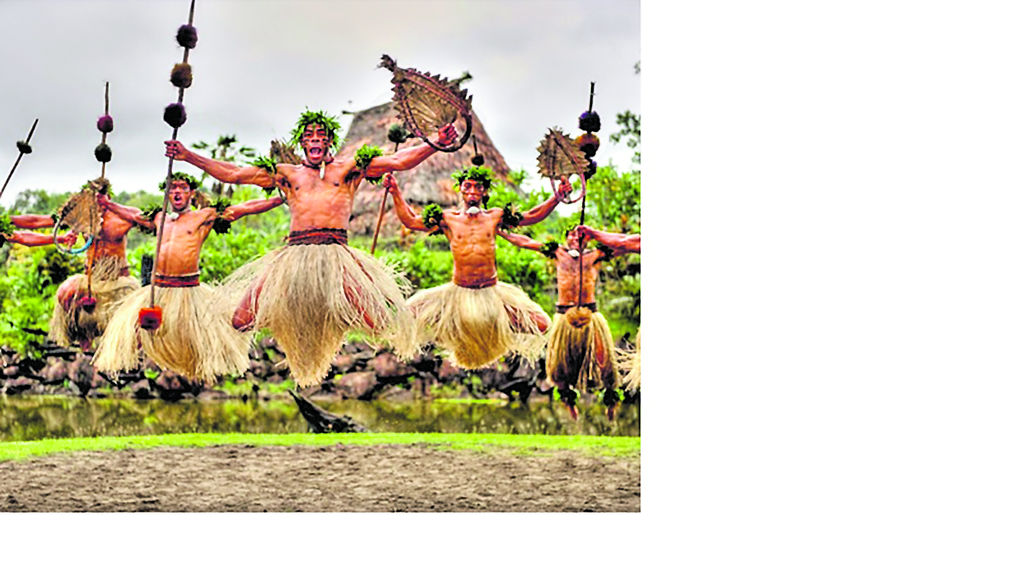
Meke performers at the Arts Village cultural centre in Pacific Harbour. Picture: FILE

