Long before salt became a common product found in kitchens and supermarkets, communities in Fiji were already producing it using traditional methods passed down through generations.
In Lomawai Village, Nadroga, this practice continues through the women who make Na Mahima, or white gold, preserving an important part of their cultural heritage while creating opportunities for their community.
Lavenia Liliwa says every grain of salt represents the knowledge, hard work and dedication of the women who came before her.
“Our ancestors passed this salt-making tradition down to us, and it is now our responsibility to preserve it and pass it on to future generations,” she said.
Traditional salt-making has a long history in Fiji. Hundreds of years before the arrival of the first Europeans, early settlers living along the Sigatoka Sand Dunes were believed to be among the first pre-contact salt-makers in the Pacific.
They produced salt by allowing seawater to evaporate in specially made clay dishes under the sun. Generations later, salt production developed, with producers extracting salt by boiling seawater instead.
Initially made mainly for household use, salt gradually became a commodity used for trade and prestige, as well as an agent of social change. Today, it remains an important product used in cooking, seasoning food, preservation and cosmetics.
However, traditional salt-making communities have also faced environmental challenges. Between 1976 and 1994, the Wai salt-making district lost about 11 hectares of mangroves and three hectares of salt grounds, highlighting the changes affecting areas associated with the industry.
In Lomawai, the traditional process continues to rely on patience, teamwork and a close connection to the natural environment.
The women begin by collecting water from traditional saltwater wells known as toevu, located within the village’s mangrove flats.
The water is poured into large pots and boiled over an open wood fire for an entire day and night. As it evaporates, more saltwater is added until the salt is left at the bottom of the pot.
The women take turns tending the fire to ensure it does not go out during the lengthy process.
Ms Liliwa said producing the salt required commitment and cooperation, with every stage demanding time and effort.
Taking Lomawai’s white gold beyond the village
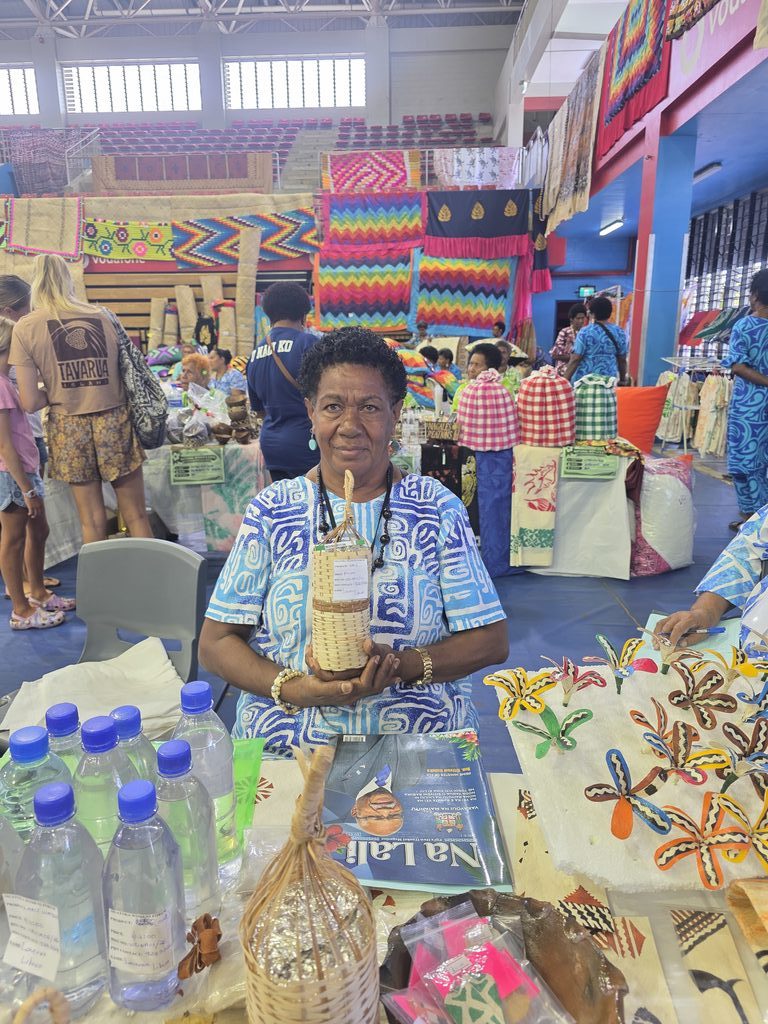
Ms Liliwa was selected through the Nadroga-Navosa sector to showcase Lomawai’s traditional salt at this year’s Fiji National Women’s Expo.
Preparation began in September, when she worked alongside a small group of women to produce enough salt for the event.
Her involvement is also part of wider efforts to support traditional salt-making, strengthen local production and create sustainable opportunities for the village.
The official launch of the second phase of the Na Mahima (White Gold) Salt Making and Packaging project was held at Lomawai Village under the ACP-EU Fiji Development Minerals Programme.
The initiative is carried out in partnership with the Fiji Arts Council and the Department of Heritage and Arts.
The Fiji Arts Council acknowledged the support of the United Nations Development Programme and the European Union in helping artisanal craftspeople preserve traditional knowledge, develop local mineral resources and sustain their livelihoods.
Despite the opportunities, Ms Liliwa said one of the biggest challenges remained collecting firewood, as the women had to meet transport costs to gather enough wood for the lengthy cooking process.
Nevertheless, interest in Lomawai’s salt continues to grow, with enquiries also coming from overseas. For Ms Liliwa, showcasing Na Mahima is about more than selling a product. It is an opportunity to represent her village, recognise the women who have kept the tradition alive and encourage younger generations to learn the craft.
Through the salt-making and packaging initiative, the women of Lomawai hope to strengthen their traditional industry, create income opportunities and ensure their ancestral knowledge continues to be passed on.
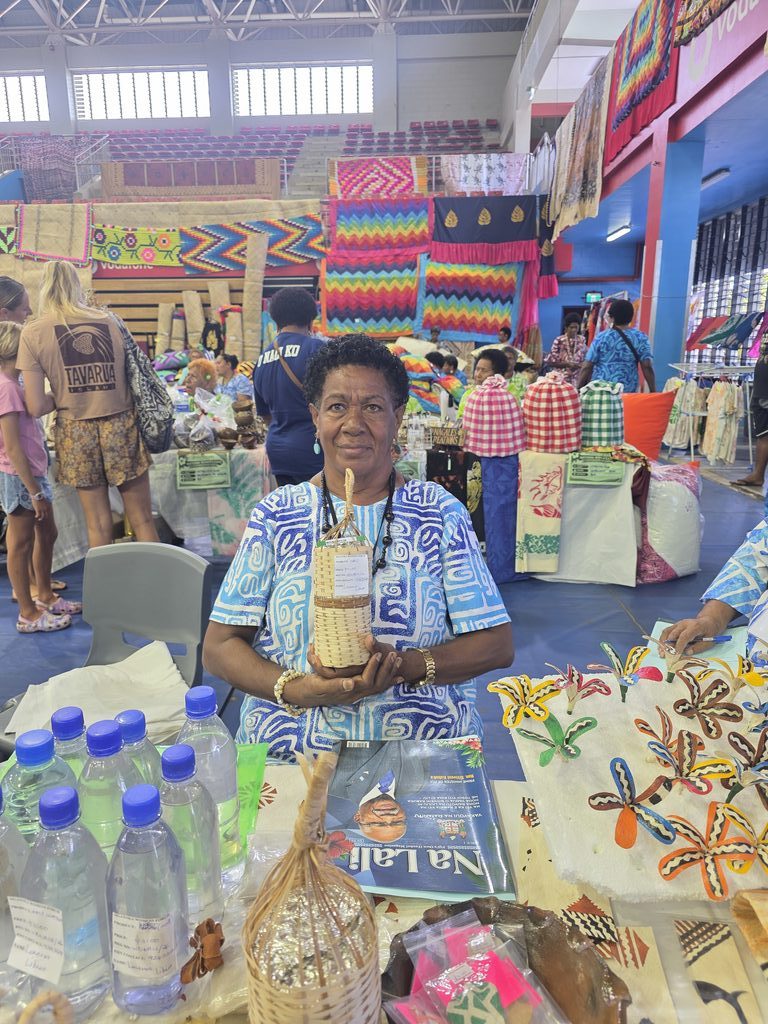
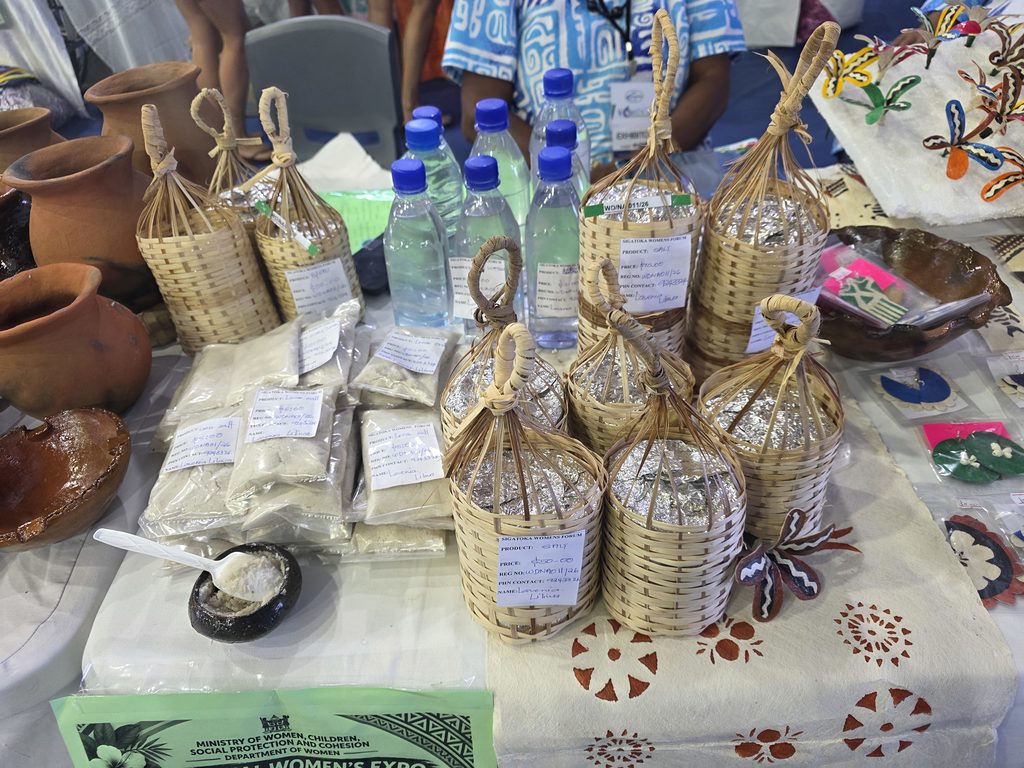
Na Mahima (white gold): Preserving Lomawai’s
traditional salt-making heritage.
Pictures: ELISABETA NAIVELI
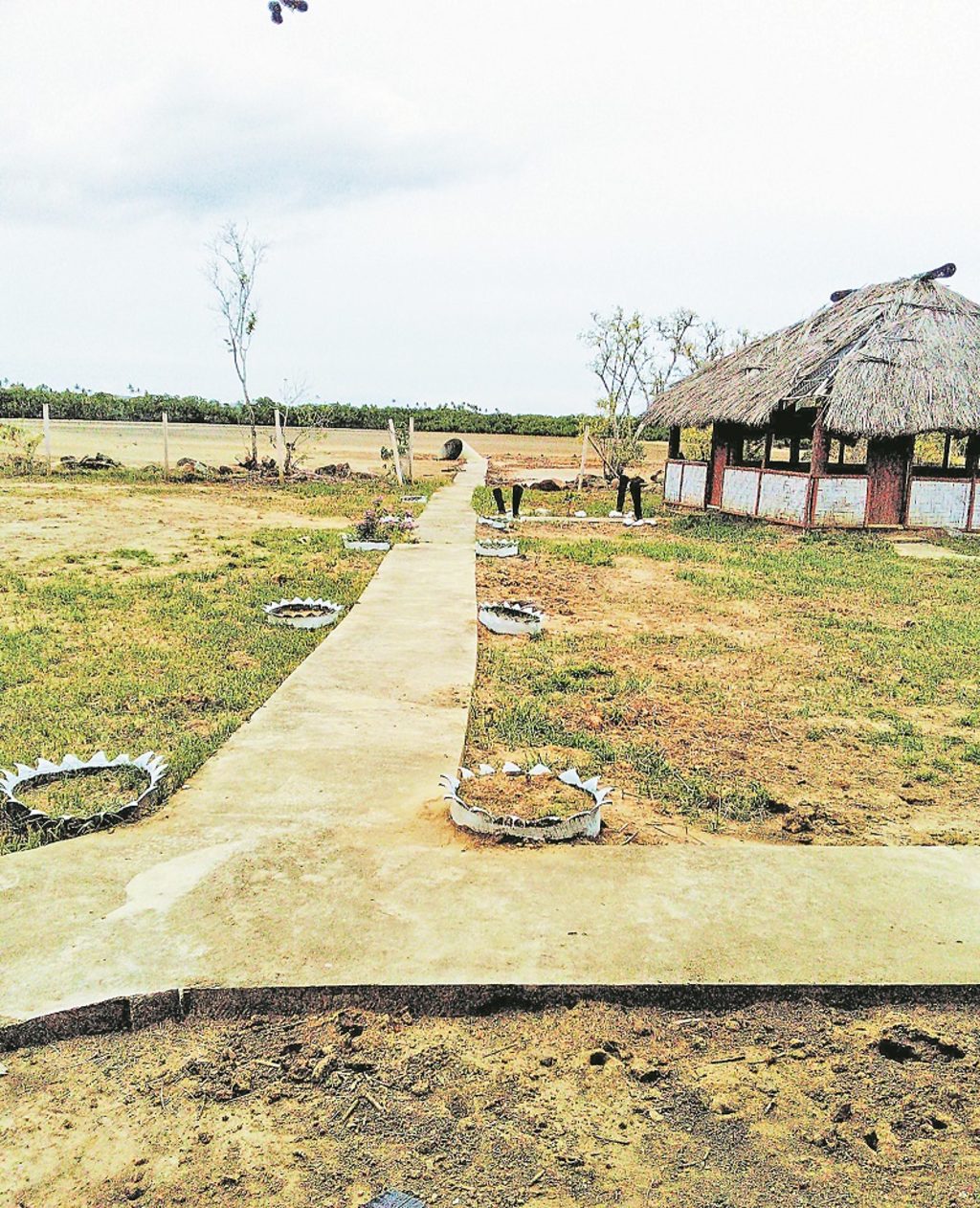
The concrete walkway to the sea water wells. On the right is the old cooking house damaged by cyclone Yasa.
Picture: JOHN KAMEA
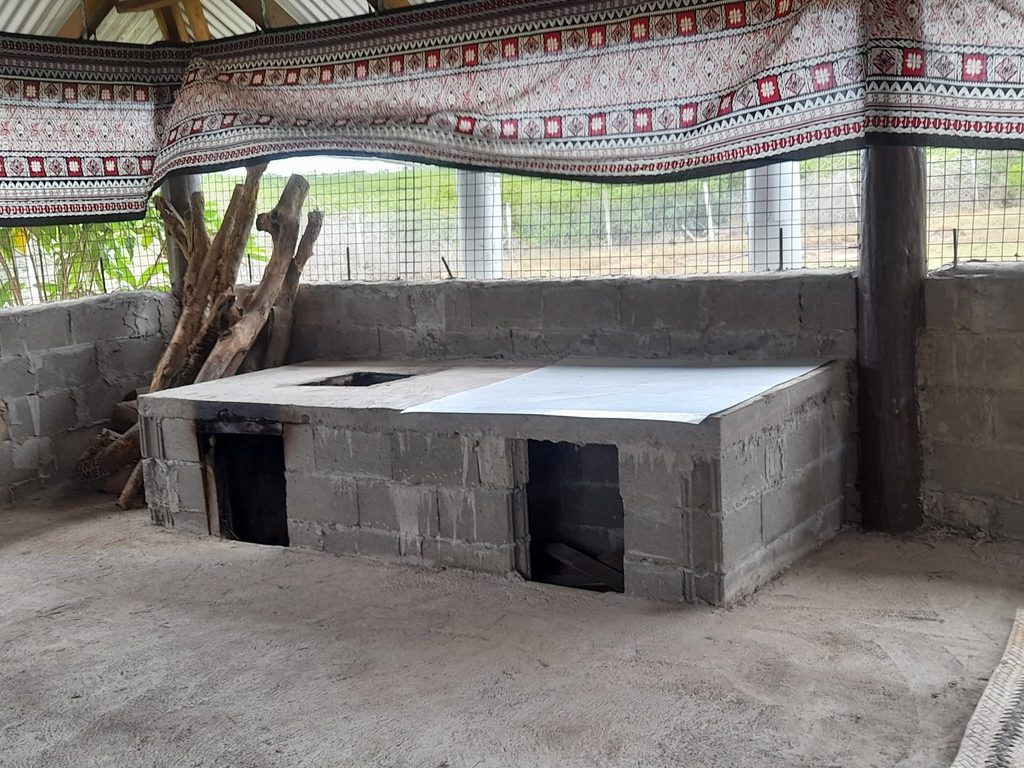
The furnace for cooking salt. Picture: FACEBOOK/ FIJI ARTS COUNCIL
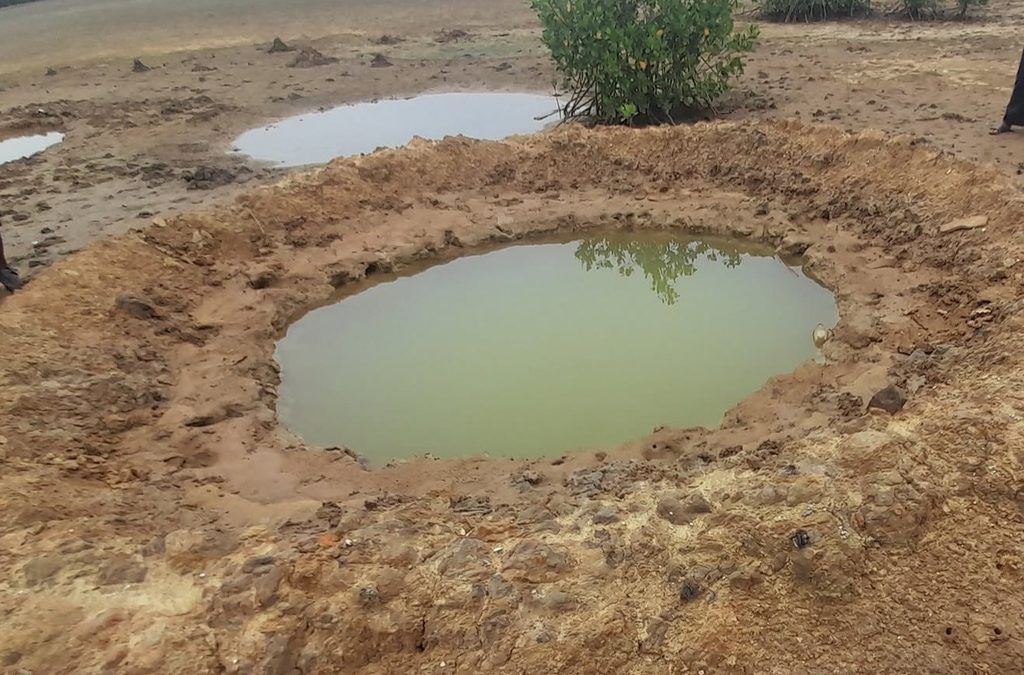
The Lomawai salt well is a traditional source of salt production in Fiji. It is known as matoji and is part of the toevu wells, which are located in the mangrove flats of Lomawai. Picture:FACEBOOK/ FIJI ARTS COUNCIL