
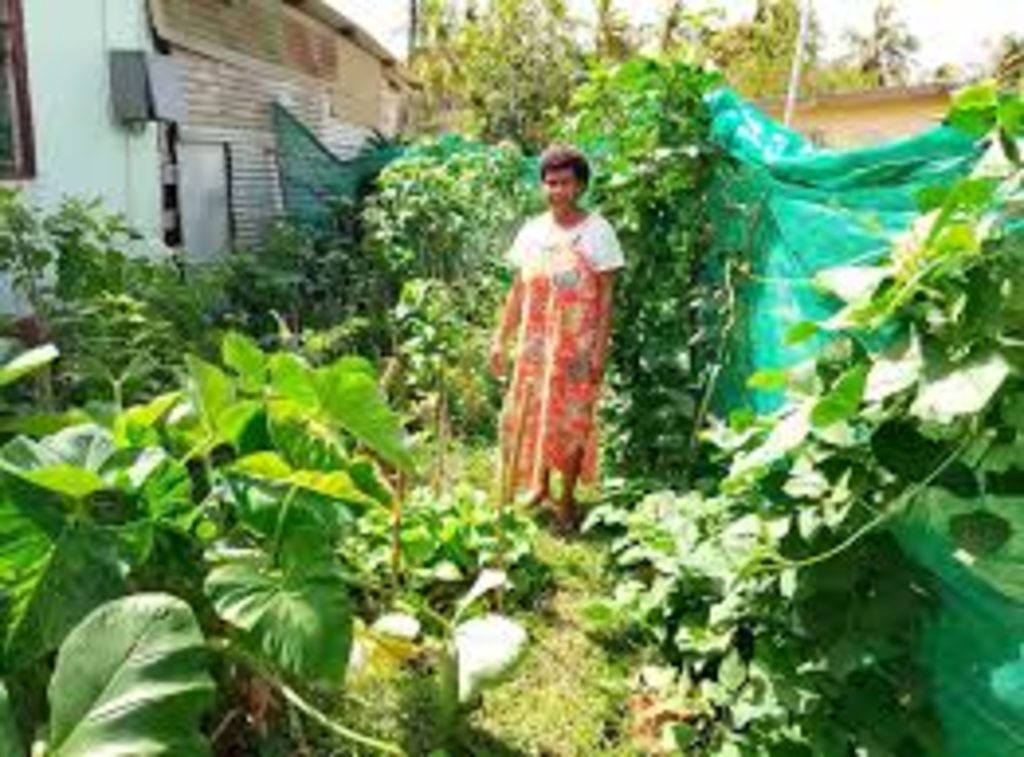
Bula Vinaka shoppers, while many families are preparing for the worse case scenario because of the war and rising fuel costs some are not bothered at all.
But there is a need to prepare while we still have time so we can have enough affordable food when life gets tougher.
Based on the Household Income and Expenditure Survey, around 258,000 people out of the 900,000 population are already living below the poverty line and these figures are worrying.
Calls for backyard gardens as protection against food shortages are sensible following Tropical Cyclone Vaianu, which caused an estimated $1.5 million in agricultural losses across key farming areas.
The government has since launched a farm recovery program and a home gardening initiative to help families with food security.
More than 66.7 per cent of the total losses were recorded in the crop sector, including tavioka, pawpaw, banana, plantain, yaqona and export vegetable commodities.
The government is now rolling out a targeted rehabilitation program in Kadavu, Ba, Ra, Nadroga/Navosa and Naitasiri that include seedlings, planting materials, agro-inputs and technical advice to restore livelihoods as quickly as possible.
The recovery program is being delivered alongside a broader food security response also linked to the war and the shortage of fuel supply.
The Scaling-Up Home Gardening Initiative has been launched under the theme “From Our Backyards to Our Plates: Grow What You Eat, Beat Rising Prices.”
The initiative encourages households to produce more of their own food as living costs continue to rise.
Families do not need large farms to improve food security, as small backyard plots with rourou, beans and cabbages can reduce grocery bills and provide a buffer during uncertain times.
While backyard farming cannot solve national food challenges, encouraging households to grow even part of their own food could strengthen resilience.
With inflation concerns lingering and global instability unpredictable, the push serves as a reminder that food security begins in our kitchens.
To cushion the impacts of rising costs colleague Waisale says his family now use firewood for daily cooking. While there is no increase to gas prices, yet he is teaching his children to slow cook food like kakana dina in their fireplace.
He brings his firewood from Coloisuva or picks up those washed on the shore along My Suva Park.
That way he kills two birds with one stone by enjoying recreation time and having activities that benefit his family.
He saves a lot of money as he lives in Suva with one son while his wife and young children live in their island home in Kadavu where they attend school. He plants bele, rourou, dhania, tubua and long beans and harvests food crops with members of his church from their farm.
Another colleague Harold who has lived in the city all his life said he has resorted to fish more than chicken when he shops every fortnight. His family of five children finds it more affordable to buy sliced fish than chicken with prices rising almost all year round.
This is because a few people can share a big slice of fish and be full.
He isn’t panicking right now and is taking each day as it comes as God has always provided for his family, he says.
While there maybe a shortage of fuel which could cause further inflation and reduce the purchase power of our dollar, he does not know how hard it would hit home and does not want to worry about it now.
Although he is adding more canned stuff into his trolley of $300 worth of groceries every fortnight to stock up for the rainy day, he hasn’t seriously thought about the implication of the world fuel crisis. For now, Harold nurtures his existing backyard garden which contains a lot of healthy green bele.
They enjoy green leafy veges in stew, soups and curries and have tavioka and dhania which they harvest from time to time.
Many Fijians like Harold live freely like the birds not stressing about tomorrow. They are content with what they have knowing there will always be enough to go around.




