Bula vinaka everyone. As Fiji braces for developing El Niño conditions, the warning signs may soon be felt in one of the most familiar places in every household which is the grocery bill.
Drier weather is more than a concern for farmers waiting for rain as a developing strong El Niño is expected to worsen dry conditions and delay the wet season.
It will affect how much food is grown in the fields, how reliably water reaches homes and farms, and how much families eventually pay for basic groceries.
For shoppers already keeping a close eye on prices, it is a reminder that what happens in the field can quickly find its way into our shopping baskets and trolleys.
The Fijian Competition and Consumer Commission (FCCC) warns that these dry conditions would reduce agricultural production and put pressure on the availability and cost of food, freight and other essential goods.
Sugarcane is particularly vulnerable, while crops such as rice, tavioka and dalo will be affected pushing prices up.
The commission points to Fiji’s experience during the 1997–98 drought, when research recorded a 50 per cent fall in the sugarcane harvest, with some areas experiencing complete crop destruction.
If local production falls, demand for imported food and substitute products will increase.
That will add pressure to supply chains and freight costs, while international commodity prices, logistics and the cost of fertiliser will also influence the prices of food and groceries.
The FCCC has stressed that some changes may reflect genuine increases in costs.
The prices for basic food items, pharmaceuticals and petroleum products remains applicable, and consumers are encouraged to report suspected deliberate stock withholding or unexplained price rises.
For shoppers, the message is to stay informed, compare prices and plan your buying carefully, without panic.
Check what is already in the pantry, make a shopping list and choose meals around seasonal and locally available produce to help households manage budgets and reduce waste.
But the challenge is not only about food prices.
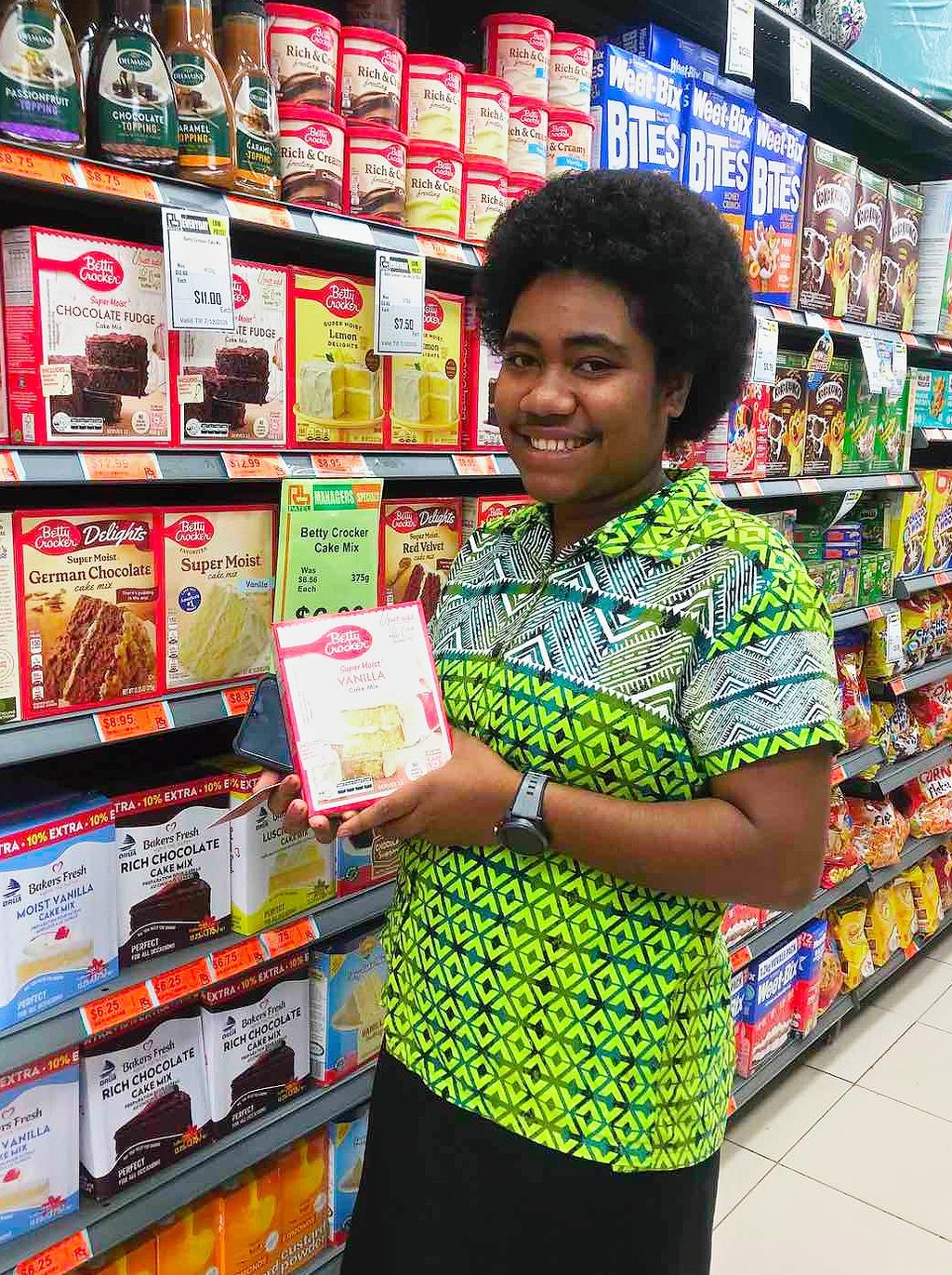
El Niño will bring prolonged dry conditions that put pressure on water supplies. This week a villager was on social media cutting young coconuts to use its juice as cooking water for vudi. The price for onions in one supermarket had gone up to $4 a kilo and the price of a bundle of dalo was $40 for six.
Government agencies are urging households to prepare early, conserve water and build household reserves where possible.
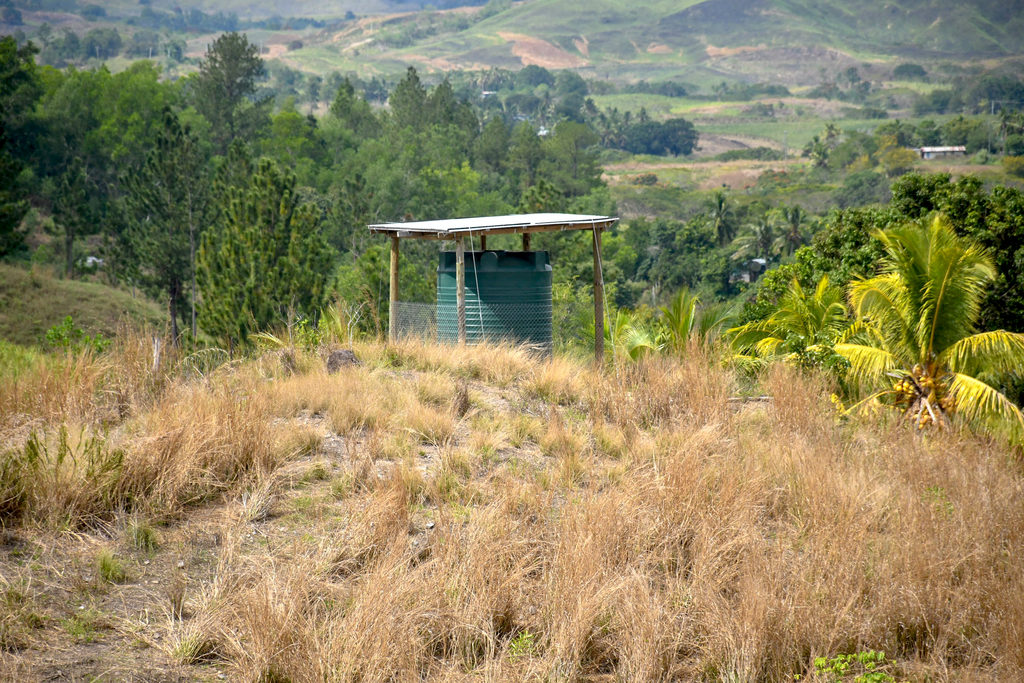
Start filling bottles, buckets and drums at home and store in cool places now.
Fill your water tanks for households that harvest rainwater, and rely onwells, boreholes or other independent sources because water will be scarce.
Do not wait until supplies run low.
Water should be used carefully, with drinking and cooking given priority.
Repair leaks, turn taps off when not in use and avoiding unnecessary water use to make a difference.
Farmers and home gardeners have a role to play in protecting our food supplies. Government agencies are monitoring rainfall and the effects of dry conditions through the national drought response arrangements.
Communities whose water sources are drying are urged to alert authorities or their nearest Divisional Emergency Operations Centre so assistance can be assessed.
Water carting will be provided, although reaching remote and maritime communities can take time.
At home, one practical response is to think carefully about what we plant.
Tavioka and kumala are useful root crops to consider because it can tolerate drier conditions better than other crops.
Beans, pumpkins, tomatoes, eggplants and cowpeas may also be options, depending on soil and planting conditions. Moringa can provide edible veges. No crop is drought-proof, however, and prolonged heat and severe water shortages can reduce yields.
Gardeners can conserve moisture by spreading mulch around plants to shade the soil. Watering deeply and less frequently, preferably during cooler parts of the day, can be more effective than frequent light watering.
Where practical, drip irrigation helps direct water to plant roots.
It is important to choose crops suited for the area.
Conditions in the drier parts of Viti Levu may differ from those in wetter regions, so farmers and households should seek agricultural advice.
El Niño is a reminder that food security begins long before produce reaches supermarkets.
It begins with healthy farms, reliable water, informed planning and communities that prepare together.
For shoppers, the best response is not to fear, but to prepare now before it’s too late.
Use water wisely, avoid wasting food, support local produce when available and keep an eye on official advice.
Better still recycle water.
The weather may be beyond our control, but the choices we make at home, in the garden and at the supermarket checkout can help us get through a difficult dry spell. The important thing is to always make wise choices and to save food, water and money.