
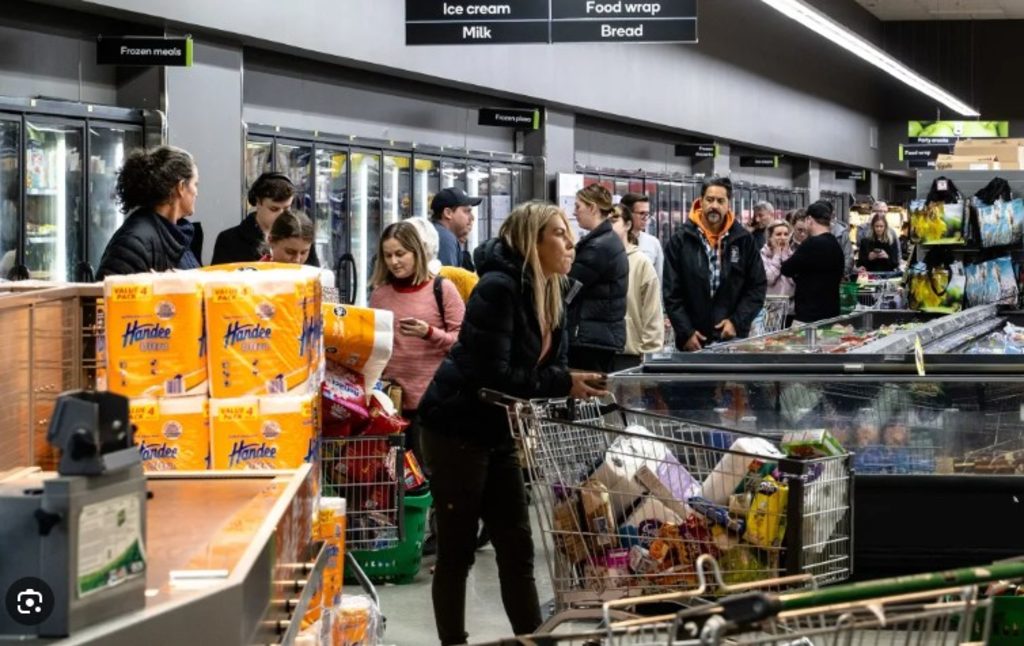
Bula Vinaka shoppers, There’s no sugar-coating it, when fuel prices go up, everything else follows.
In Fiji, that impact is widespread. Higher fuel costs don’t just hit the pump, they ripple through the entire economy, driving up the cost of doing business and, ultimately, the cost of living right across the board, no matter what politicians say.
And let’s be clear, businesses are already under pressure. From import duties and compliance costs to infrastructure gaps and ongoing productivity challenges, the operating environment is far from easy.
Fuel increases simply add more to an already heavy load, we carry in the daily high cost of living.
The Gulf conflict disrupts supply chains, strains limited fuel reserves, and will trigger sudden spikes in demand. Delays in shipments mean less fuel reaching our shores, and what does arrive comes at a higher cost.
It’s a perfect storm that tightens supply and pushes prices of all goods up. So, the real issue isn’t whether prices will rise—it’s how we shoppers will respond.
The question we need to start pondering on now is if fuel becomes scarce, who gets priority? Essential services? Businesses? Households? And on what basis are those decisions made?
The answers carry serious consequences for both economic stability and social cohesion.
What’s critical here is inclusion. Decisions of this scale cannot happen in a vacuum.
Businesses are the backbone of employment, supply chains, and economic activity. Ignoring their realities risks creating policies that fail in practice.
At the same time, businesses themselves need to adapt and if they do shoppers too need to be cautious and the time to act to adjust is now. As Fiji Australia Business Council president Himen Chandra points out, companies should tighten their belts, cutting unnecessary costs and focusing on essentials.
That means reducing spending, fewer luxuries, and lower overall consumption. The knock-on effect? Reduced revenue and tighter profit margins as competition intensifies. This is the balancing act Fiji now faces: managing limited resources while keeping the economy moving and protecting livelihoods. Because in the end, fuel isn’t just about energy—it’s about stability.
Academic Dr Sushil K Sharma says a conflict in the Gulf, though distant, has direct economic consequences for us because global fuel and trade routes are interconnected.
Key chokepoints like the Strait of Hormuz and Red Sea routes carry a large share of the world’s oil and gas, so any disruption quickly drives up global energy prices.
Rising oil prices increase transport, shipping, and business costs worldwide. These costs flow through supply chains, making goods more expensive and slowing economic growth.
For Fiji, heavily reliant on imported fuel and goods—the impact is felt faster, leading to higher inflation and cost of living.
Disruptions to shipping routes force longer, more expensive journeys, raising freight costs and delaying deliveries.
This will affect Fiji, which sits at the end of global supply chains, meaning higher import prices are quickly passed on to consumers. We The effects are most visible in everyday essentials.
Higher fuel costs raise food prices, transport fares, and operating costs across agriculture, retail, and services.
In an island nation where movement depends heavily on fuel, this creates widespread pressure on households. Sectors like aviation and tourism are also vulnerable, as rising fuel prices increase travel costs and can affect connectivity and demand.
Finance Minister Esrom Immanuel says we will feel the impact of rising global prices within the next two to three months.
He stressed that Fiji faces renewed pressure.
Immanuel cautioned that the 2026–2027 financial year will be more challenging, as rising fuel prices are expected to drive up the costs of transport, business operations, and public services.
To prepare, government has set up a fuel committee and a Cabinet subcommittee to assess supply risks and price impacts.
Permanent Secretary for Finance Shiri Gounder said any government support during the crisis will be targeted toward low-income households, as resources will not stretch far enough to assist everyone.
He warned that the current situation is unprecedented, with real concerns emerging over both fuel price volatility and the risk of supply shortages.
Together, the officials highlight that global instability, particularly in energy markets, could soon translate into higher living costs and potential fuel constraints in Fiji.
Overall, a Gulf conflict means higher prices for fuel, food, transport, and travel impacting our daily lives.
So, shoppers spend wisely and act responsibly.
Buy more from local markets and where you can plant food you can draw from during this time.
The struggle is real. It has started with rising fuel costs this week!

