
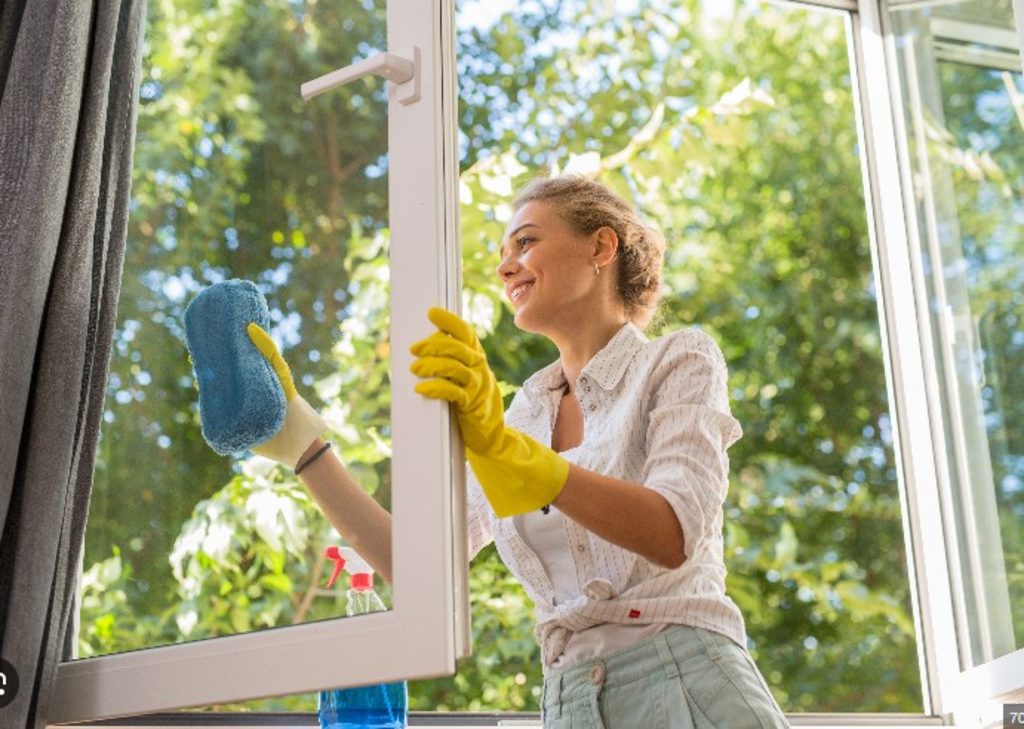
CLEANING glass surfaces to achieve a spotless, streak-free finish can seem challenging, but it largely comes down to using the right method rather than expensive products. Dish soap, a common and inexpensive household item, can be highly effective for cleaning glass when used correctly.
Many people mistakenly believe that adding more soap will improve cleaning results, but experts emphasise that excess soap actually leads to streaks because it leaves behind residue.
According to www.thespruce.com, proper technique, minimal product use, and the right tools—such as microfibre cloths and squeegees—are essential for success.
Environmental factors also play a role, for instance, cleaning glass in direct sunlight can cause the solution to dry too quickly, leaving visible streaks behind. Instead, it’s best to clean glass when it is cool or on a cloudy day.
In addition to dish soap, other everyday items like distilled white vinegar, rubbing alcohol, and even newspaper can help achieve a crystal-clear finish.
These alternatives are effective because they cut through grease and evaporate quickly, reducing the chances of residue.
By understanding the causes of streaking and following a structured cleaning process, anyone can maintain sparkling windows, mirrors, and glass surfaces with ease.
Step-by-step methods for streak-free glass cleaning
1. Using dish soap (primary method):
*Prepare a cleaning solution by adding just one-to-two drops of dish soap to warm water in a bucket or spray bottle. Avoid overusing soap.
*Dip a clean microfiber cloth into the solution and gently wipe the entire glass surface, ensuring even coverage.
*Rinse thoroughly:
*If possible, rinse the glass under clean water.
*If not, use a separate damp microfiber cloth to remove any soap residue.
*Use a squeegee:
*Pull it from top to bottom in smooth, overlapping strokes for even drying.
*This is especially effective for large glass surfaces like windows.
*Dry immediately with a clean, lint-free microfiber cloth to prevent streaks and water spots.
2. Why streaks occur (key tips to avoid them):
*Using too much soap leaves residue behind.
*Failing to dry glass immediately after cleaning causes water spots.
*Using the wrong materials (like paper towels) can leave lint.
*Cleaning in hot or sunny conditions makes the solution dry too fast, creating streaks.
3. Alternative method – vinegar solution:
*Mix equal parts distilled white vinegar and water.
*Apply using a spray bottle or cloth.
*Wipe the glass in long, even strokes from one side to the other.
*Use a squeegee in the opposite direction (top to bottom).
*Dry immediately with a microfiber cloth for a streak-free finish.
4. Alternative method – rubbing alcohol solution:
*Mix equal parts distilled water and rubbing alcohol.
*Add one tablespoon of distilled white vinegar.
*Apply to the glass using a spray bottle or cloth.
*Wipe in long strokes across the surface.
*Use a squeegee to remove residue.
*Finish by drying thoroughly with a clean microfiber cloth.
5. Alternative method – newspaper technique:
*Spray your preferred cleaning solution onto the glass.
*Crumple a black-and-white newspaper page into a ball.
*Wipe the glass in long strokes.
*Use a fresh piece of newspaper to buff the surface dry.
*This method prevents lint and leaves a polished shine.
By following these methods and tips, you can consistently achieve clean, streak-free glass surfaces using simple household materials.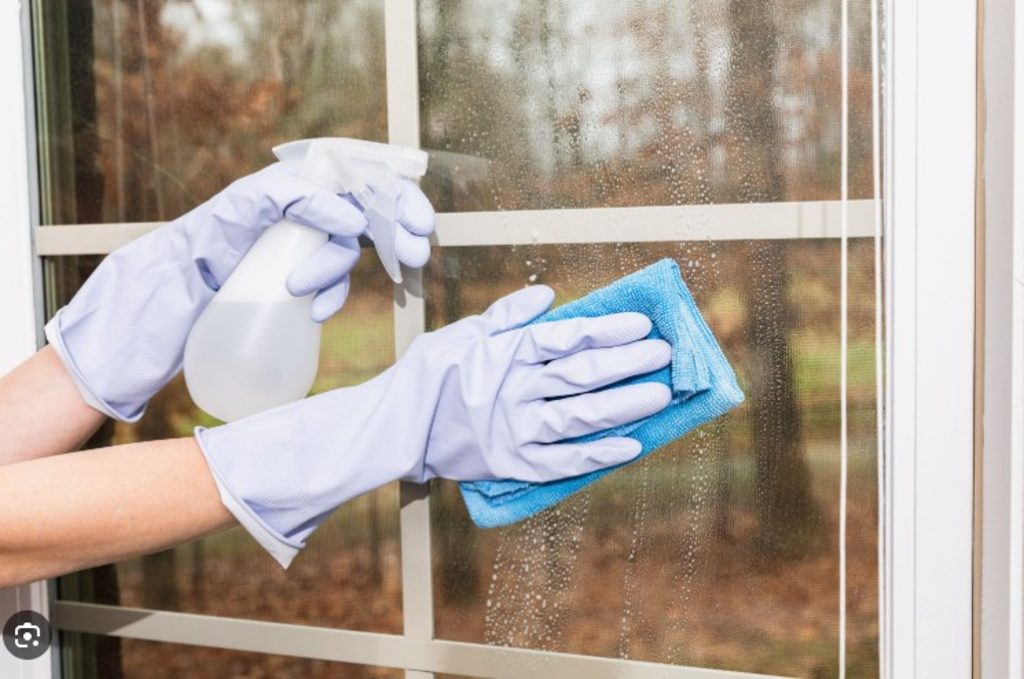
These alternatives are effective because they cut through grease and evaporate quickly, reducing the chances of residue.
Picture: BETTERHOMES&GARDENS
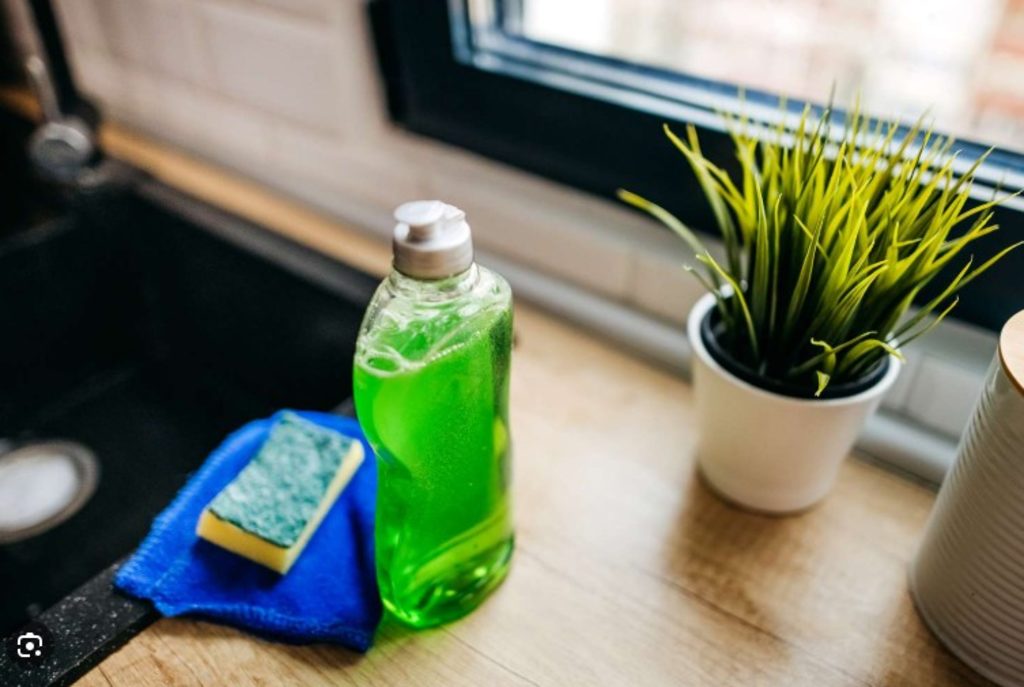
By understanding the causes of streaking and following a structured cleaning process, anyone can maintain sparkling windows, mirrors, and glass surfaces with ease. Picture: MARTHASTEWART




