
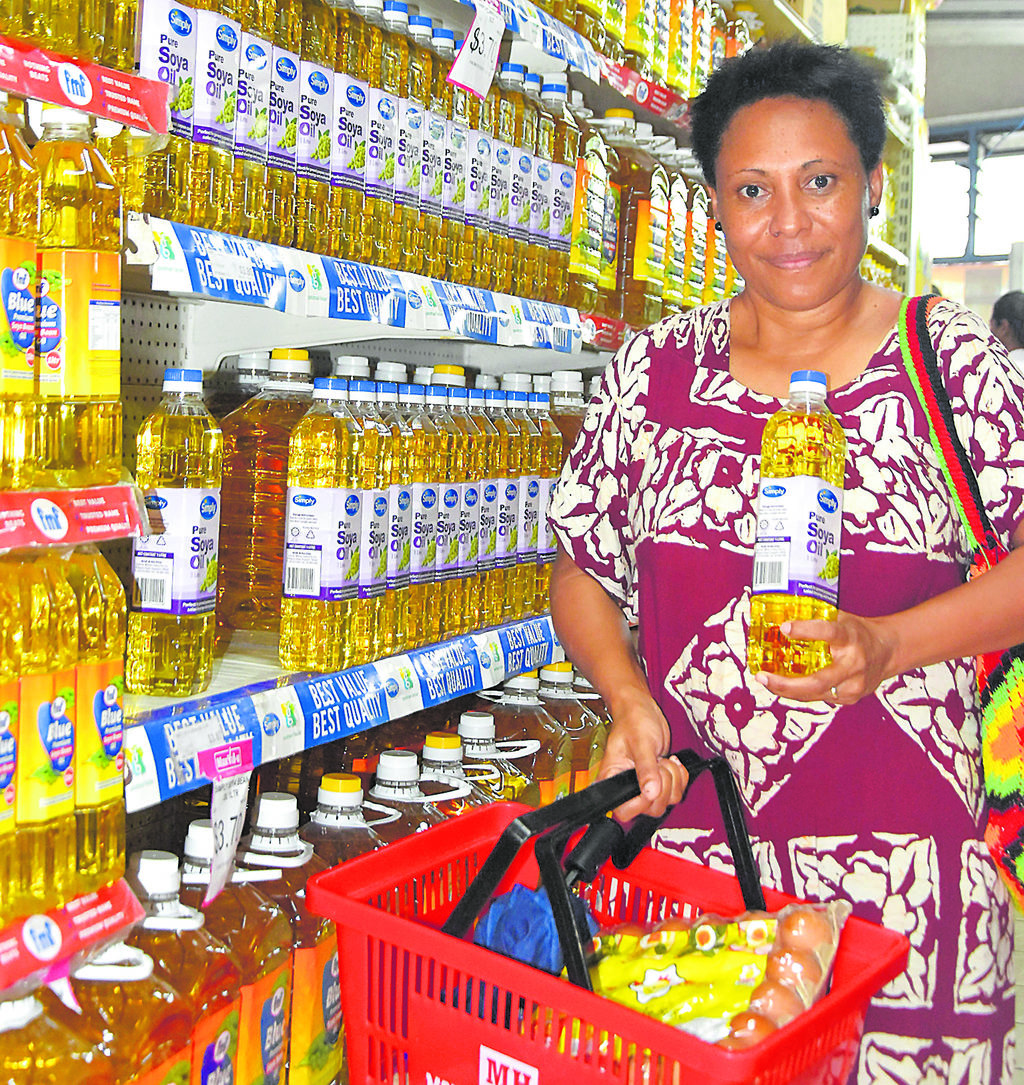
While her husband spends most of his time overseas, Rian Kaniabota manages their household in Fiji with their five children.
The family lives in Kinoya Rd, where they own a property, and Rian takes responsibility for running the home, paying the bills, and caring for the children.
Every fortnight, her husband sends her $1,000 to manage the household expenses.
“I carefully budget this amount to cover utilities such as power, water, city rates, and lawn mowing, as well as food, school lunches, and other everyday costs,” she said.
Rian said she divides the budget into $500 per week, which includes grocery shopping, fresh vegetables, and market produce.
Out of the $1,000, she usually allocates $200–$250 for organic food, which she buys from local markets every Fridays and Saturdays.
Rian says she prefers organic produce because it is healthier and often cheaper than store-bought items.
“Staples like potatoes, garlic, and other packaged goods are common groceries we buy from supermarkets, while fresh produce are sourced from the market,” she said.
She places strong emphasis on feeding her children organic food, believing that it helps strengthen their immune systems against common illnesses, especially given Suva’s humid climate where airborne diseases spread easily.
uHer family diet includes local root crops such as tavioka , sweet potatoes (kaukau or kumala) and other traditional foods.
Rian ensures her children eat organic meals three to four times a week and limits rice consumption to only two days (Tuesdays and Thursdays) to reduce dependence on processed foods.
Her children range from an 18-year-old son in Year 13 to a daughter in Year 12 and three younger children in primary school. They attend CMF College and nearby primary schools.
Rian herself is a qualified primary school teacher, but due to her visa exemption status in Fiji, she cannot work at the moment.
The family has lived in Fiji for two years, and while two of her children have obtained citizenship, the others are still in the process of meeting immigration requirements.
When it comes to shopping, Rian said she emphasises discipline and financial planning.
She always shops with a list, focusing on essential items like rice, tinned fish, eggs, bread, and affordable protein sources.
Rian highlights that she also teaches her children not to be swayed by colourful packaging or unnecessary items.
She shared that from each fortnightly budget, she sets aside small amounts for savings and emergencies—what she calls “rainy day” funds.
She said this money helps cover urgent medical needs or unexpected expenses.
She prefers shopping at supermarkets like Shop N Save, Extra Supermarket, and Max-Val-U Supermarket because of their affordable prices and regular specials.
“I often compare stores to find the best deals,” she said.
Through careful budgeting, healthy meal planning, and practical financial education for her children, Rian said she exemplifies strong family management while supporting her household independently in her husband’s absence.
She also urges shoppers to be very mindful of items they buy from supermarkets.
She said most of the time we tend to pick anything we want from the shelves without even reading the labels.
Rian said it is important to read labels and nutrition facts so we can know what exactly we’re taking home to our family mmbers. “Having at least a few minutes to read labels is something we must always prioritise,” she said.

