
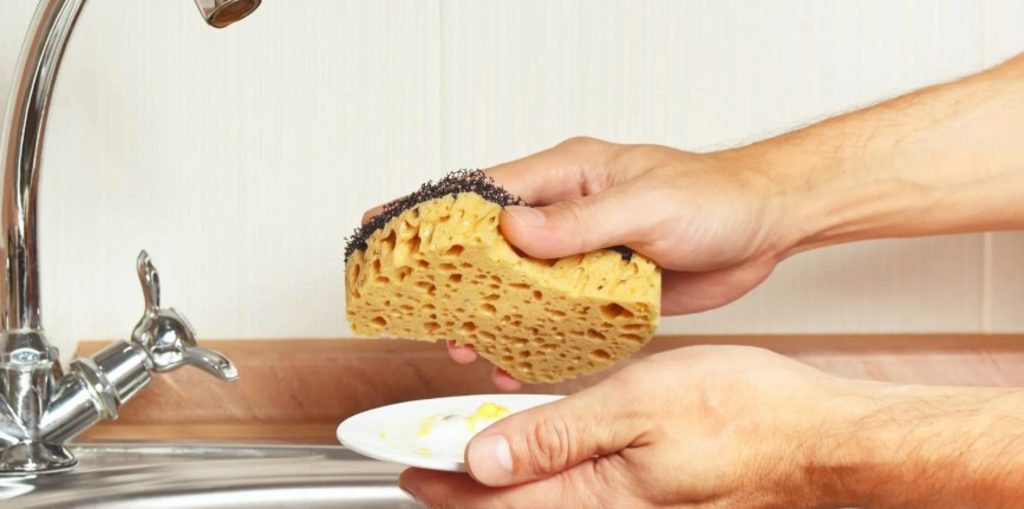
Kitchen sponges are designed to clean, yet they often develop unpleasant odours. This happens because sponges regularly trap leftover food particles, soap residue, and moisture — creating an ideal environment for bacteria to grow. As bacteria multiply, they produce the sour or musty smell many people notice when picking up a sponge.
The good news is that a smelly sponge is not inevitable.
According to www.airnex.store, in most cases, it signals that the sponge needs better care and maintenance.
With a few simple habits, you can reduce odour, limit bacterial buildup, and help your sponge last longer.
Regular cleaning is one of the most effective solutions. Natural methods—such as rinsing thoroughly after each use, allowing the sponge to dry completely, or cleaning it with simple household ingredients—can help eliminate odours without the need for harsh chemicals like bleach. Proper storage also matters; keeping the sponge in a dry, well-ventilated area prevents constant moisture that encourages bacterial growth.
It’s also important to recognise when a sponge has reached the end of its life. Even with proper care, sponges wear out and should be replaced periodically to maintain kitchen hygiene.
Why kitchen sponges smell
If your sponge smells bad, it’s not just because it’s “old.” It’s biology.
Kitchen sponges spend most of their time wet, warm, and covered in food residue: conditions that bacteria love. When you scrub dishes, microscopic food particles and soap scum can get trapped deep in the sponge’s porous structure. Without proper rinsing and drying, these remnants become a buffet for bacteria, causing that familiar sour or musty odour.And the type of sponge you use plays a big role in how quickly that smell shows up.
Synthetic sponges, like those made from polyurethane, tend to trap more moisture and take longer to dry. Their dense, foam-like structure creates little pockets where bacteria can settle in and multiply.
Natural sponges, like cellulose or loofah, are more breathable and dry faster, making it harder for bacteria to thrive. Their quick-drying nature, combined with compostability, makes them a more hygienic and sustainable option in the long run.Odour is often a signal, not just that your sponge needs cleaning, but that it might be time to rethink the kind of sponge you’re using in the first place.
What to do after every use
The best way to prevent sponge odour? Daily care.
What you do immediately after using your sponge makes a big difference in how long it stays fresh, and how safe it is for your family. Most sponge smells (and bacterial buildup) are preventable with a few simple habits;
Rinse thoroughly with hot water
After each use, rinse your sponge under hot running water to flush out food particles, soap residue, and grease. This prevents organic matter from sticking around and feeding bacteria.
Wring it out completely
Don’t just leave it dripping. A soaking-wet sponge is a breeding ground for germs. Squeeze out as much water as you can so it dries faster between uses.
3. Store in a dry, elevated spot
Skip the soggy sink or airtight sponge holder. Instead, place your sponge on a dry rack or stand where air can circulate around it. The goal is to help it dry out as quickly as possible.
4. Rotate sponges if needed
If you wash dishes often, consider using two sponges in rotation. While one dries, the other is in use. This simple switch can drastically reduce moisture buildup and extend the life of each sponge.
Small as these habits may seem, they add up. Proper sponge care keeps odours in check, improves hygiene, and gets you more use out of every sponge, especially if you’re using compostable ones made from natural materials.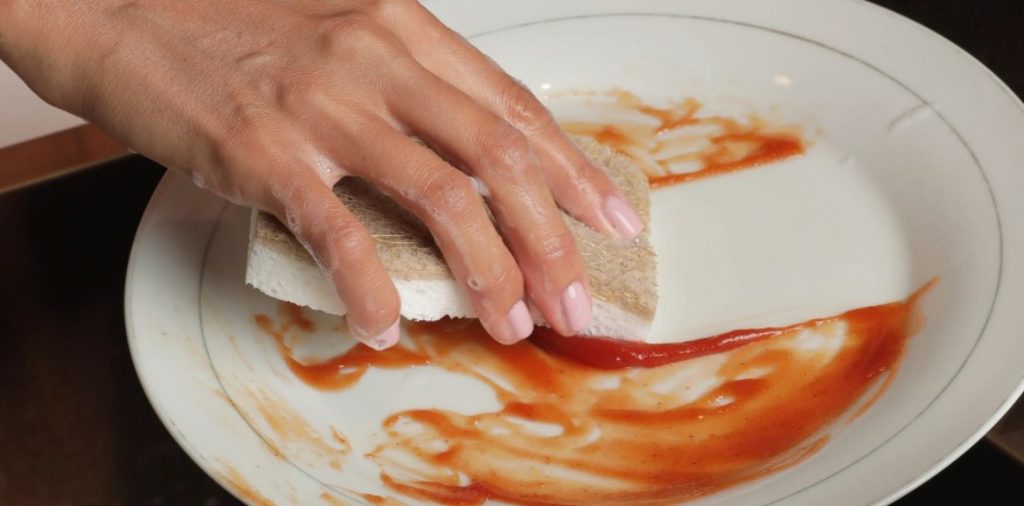
Proper storage also matters; Keeping the sponge in a dry, well-ventilated area prevents constant moisture that encourages bacterial growth. Picture: GOOGLE
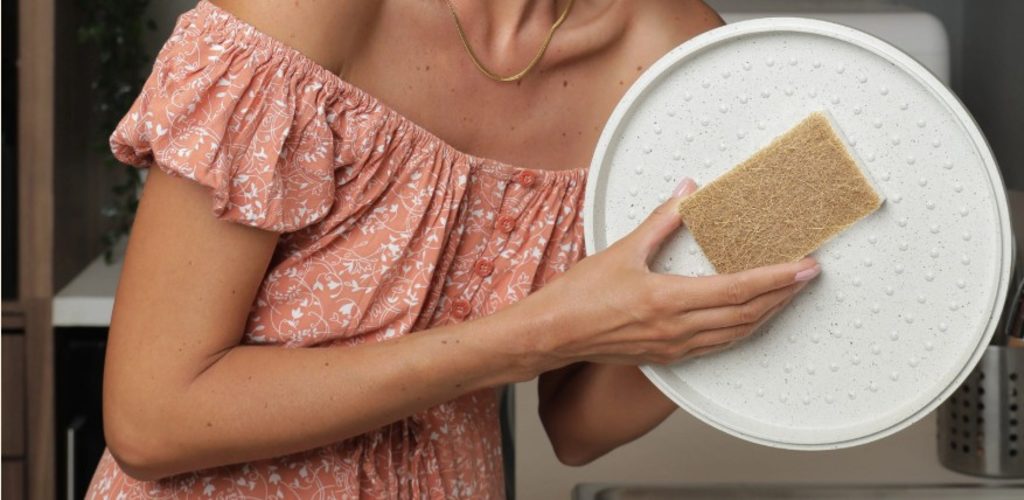
As bacteria multiply, they produce the sour or musty smell many people notice when picking up a sponge.
Picture: GOOGLE
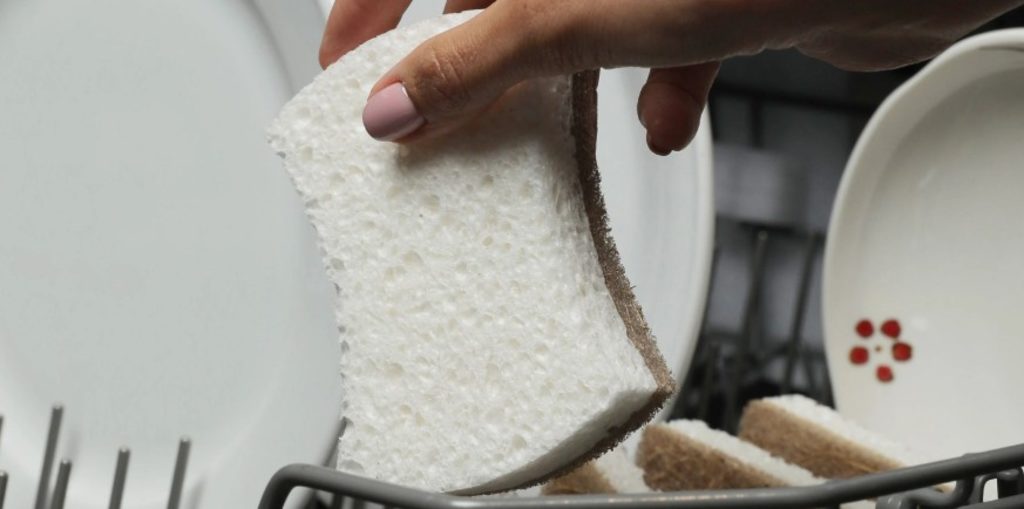
Proper sponge care keeps odors in check, improves hygiene, and gets you more use out of every sponge, especially if you’re using compostable ones made from natural materials. Picture: GOOGLE
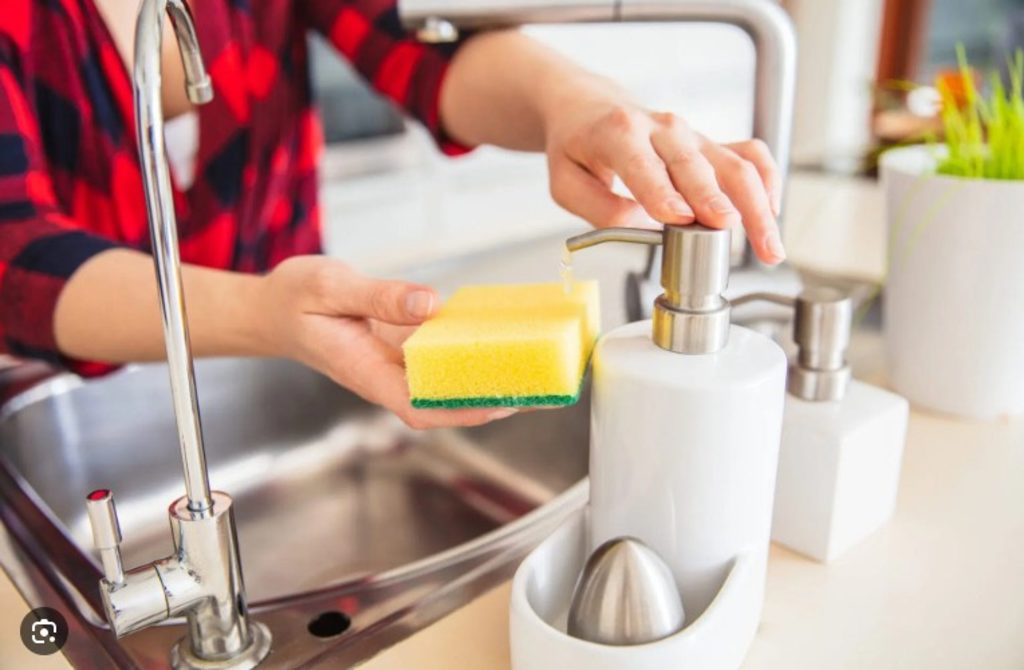
After each use, rinse your sponge under hot running water to flush out food particles, soap residue, and grease. Picture: GOOGLE

