
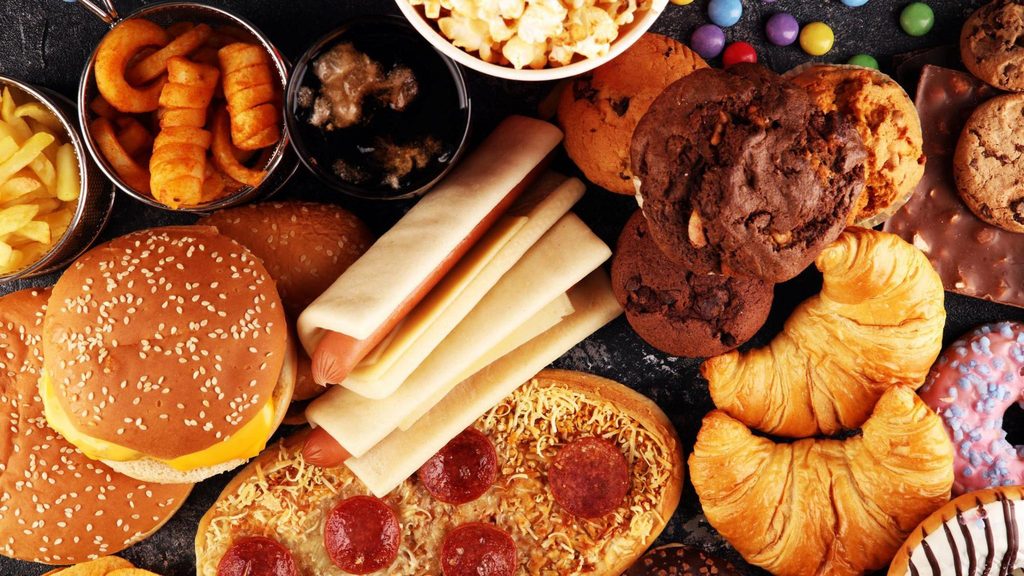
You might have heard that if you want to be healthier, you should cut down your consumption of ultra processed foods (UPFs). But have you ever wondered why UPFs have become such a hot topic and why you should eat less of them?
What are UPFs?
In order to find an answer, it’s important to first understand what UPFs actually are. The term comes from the NOVA Food Classification System, which was designed by the University of Sao Paolo (Brazil) and has since been widely adopted worldwide. This system divides foods into 4 groups:
1) Unprocessed or minimally processed foods
This includes whole foods such as whole grains (like brown rice, wholemeal barley or millet), legumes (such as dried lentils, beans, chickpeas or dhal), fresh fruits, vegetables or starchy staples (like dalo or kumala). It also includes minimally processed foods without added sugar, salt or fat such as natural nuts or seeds, rolled oats, wholemeal pasta, pasteurised natural fruit or vegetables juices or milk, dried or frozen fruits or vegetables.
2) Processed ingredients
These include common ingredients used to add flavour to meals such as sugar and syrups, salt, fats and oils.
3) Processed foods
These are foods from Group 1 that are prepared with the addition of an ingredient from Group 2. In this group we find items like canned tomatoes or concentrate with salt, canned legumes in brine, fruit in sweet syrup or canned fish.
4) Ultra-processed foods
UPFs are industrially produced foods that contain at least one ingredient (but generally several) never found in a home kitchen, such as additives like emulsifiers, sweeteners or flavour enhancers.
They include a wide range of products, from sweetened fizzy drinks and chips, to store-bought confectionery, baked goods, instant noodles, nuggets, burgers or hot dogs. Why do they have such a bad reputation?
The issue with UPFS is that they have become such a large part of our diets that it’s estimated that in countries like the US and the UK, they represent on average at least half of the energy consumed daily.
And this is a problem because generally these are high-calorie foods that contain a high amount of ingredients considered harmful in excess, such as salt, sugar, total fats, trans and saturated fats.
Because they have been substantially transformed from their original form, they also tend to have a higher glycaemic index, which can trigger sugar spikes, cause inflammation and make them less satiating (often resulting in overeating).
Furthermore, these foods tend to be lower in healthy nutrients like dietary fibre (which is often removed during processing), vitamins and minerals.
Consequently, when UPFS are eaten regularly and in large proportions, they can have a negative impact on overall diet quality.
For these reasons, a high consumption of UPFs has been associated with a higher risk of several diseases and conditions, including NCDs such as hypertension, obesity, metabolic syndrome, heart disease and certain types of cancer.
Reducing UPFs as much as possible is vital to make space for wholesome meals cooked from scratch using unprocessed ingredients like fresh vegetables, legumes and whole grains.
However, in today’s world, avoiding the convenience of store-bought foods is not always easy.
In the next article we’ll look at how to choose UPFs with better nutritional characteristics and identify those that can be considered “junk food” and should be avoided.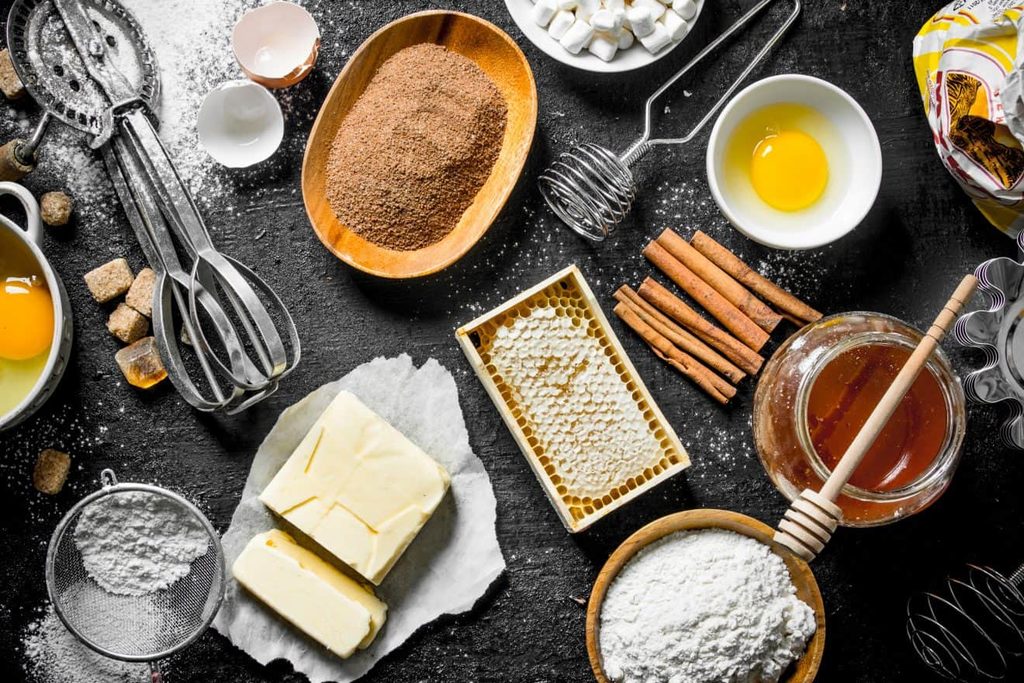
These include common ingredients used to add flavour to meals such as sugar and syrups, salt, fats and oils. Picture: bbc.co.uk

