
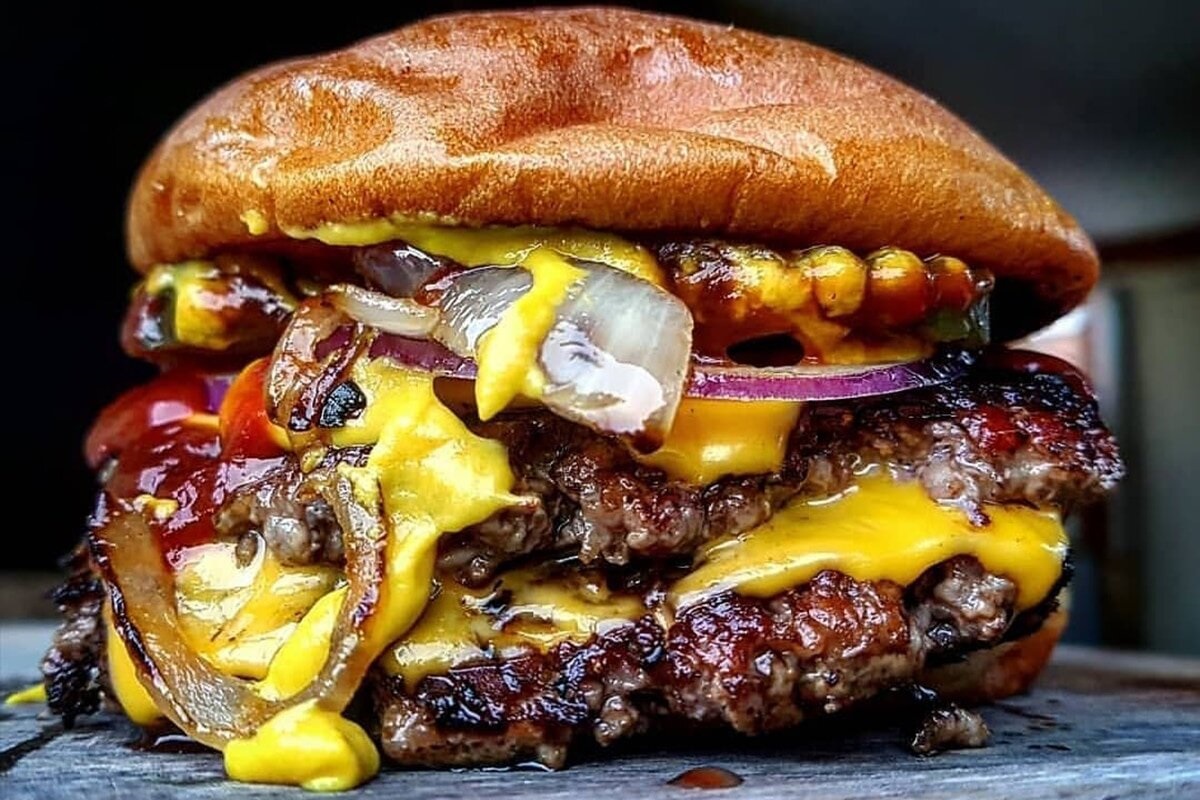
The burger is a globally renowned food, and during this entire COVID-19 pandemic has become a staple food for many urban Fijians craving something other than the normal homecooked food.
From street BBQ stands, McDonalds, Burger King and the gourmet burgers found in many restaurants and cafes, the iconic American burger continues to evolve around the world.
At my restaurant, we include Fijian elements like palusami, soy sauce, coconut and pineapple, just as other chefs have created their own combinations to tantalise their customers with new flavours in a renowned food – the burger.
There is nothing complicated about building the perfect burger so long as you understand its basic structure and what each element is supposed to do.
More than just a sandwich, a burger is generally served with a side of potato fries – a marriage that was consummated after returning American soldiers from Belgium at the end of World War One began asking burger joints like White Castle for fried potato chips.
Why is called hamburger?
Before we get into building the perfect burger, let’s answer the most common question – why is called a hamburger when there is no ham in it? That’s because it is not named after an ingredient but a place – Hamburg, Germany. Whilst the burger is an American cultural icon, it was German immigrants who brought their Hamburg steak patty recipe to the US that sparked a food revolution. The Hamburg steak was a simple peasant dish of ground meats and spices, eaten raw or grilled, as they could not afford to buy the more tender cuts of beef. The meat used was probably the toughest but cheapest part of the animal, so mincing it made it easier to eat. By the late 1800s in New York, what began as food for the peasants, found its way onto top restaurant menus between two slices of bread, dressed with sauces and salad. And so, the “hamburger” from Hamburg was written into human culinary history.
Anatomy of a burger
Like most food recipes there is structure and purpose to each of the elements that make a burger great. Understanding the role each plays in the dish gives the chef better understanding between an average and awesome burger. Whilst the burger has American heritage, it has undergone many changes and iterations throughout the world. Each country has added their own unique cultural flavours to their version of the hamburger from Hamburg. In my restaurant, I have a number of fusion burgers that use uniquely Fijian flavours mixed with both classic and Asian techniques. The pattie, sauce, salad, cheese and bun all combine to create the perfect meat sandwich that should be a firework show in your mouth. When you perfect each layer, the ultimate burger experience should be meaty, doughy, saucy, creamy, juicy and crunchy.
The perfect pattie
Without question, the main element to any good burger is the pattie. Whether it is meat, seafood or vegan, the burger’s origins and heritage can all be traced back to the pattie. If a “burger” is just pulled or sliced meat from a whole roasted chicken or side of beef, then technically you’ve made a roll or sandwich. A perfect patty is made from minced up proteins, beef or chicken being the most popular but may include any ground animal meats, seafood or for vegans, nuts, seeds and legumes. When buying minced meats from the butcher always ensure it contains some percentage of fat and the cut of meat used is not too lean or grisly with unchewable cartilage. A butcher who knows his burgers will usually mince their meat with a combination of lean and muscly meats with extra fat added in. In my experience the best cuts of meats for a juicy beef burger is chuck, brisket and some backfat. For chicken burgers, I prefer to use a mix of both white and red chicken meat, with fat also minced in. Same goes for pork burgers, the fattier the better. The secret to juiciness and flavour in any meat patty is the animal fat, and when eaten in moderation, offers a burger that smells and tastes like real meaty burger. If the meat is not fatty enough, you will need to use eggs and breadcrumbs to help bind the leaner meat to form a pattie. Otherwise the meat patty will just crumble when you cook it. However, don’t add too much flour or breadcrumbs otherwise you’ll end up with a patty that has the texture of a sausage.
The sauce
Sauce snobs may disagree, but you can never go wrong with the classic tomato ketchup & mustard duo. The creamier mustards like dijon or hot mustard are perfect in burgers as they add to the overall mouth-feel of the burger. BBQ sauce is still my preference over tomato sauce but that’s just a personal choice. For my gourmet burgers I usually have two sauces – one for the bottom and one for the top of the bun. Mayonnaise, mustards or yoghurt with garlic and herbs help offset the sharpness of ketchups and of course offer a creaminess that adds to the overall burger experience. Whatever saucy flavour you favour, add a dollop of your preferred special sauces to both sides of the bun.
The salad
While I do love a good cheeseburger with absolutely no lettuce or vegetables, fresh salads in a burger add crunch and freshness. The lettuce should be washed and plunged into ice water to help it retain its crunchiness. I absolutely hate a burger with warm, lifeless and browning lettuce leaves. Tomatoes are the other classic salad ingredient in a good burger and should be evenly sliced and seasoned with salt and pepper. For some extra zing, add in a few red onion slices or even better, caramelized onions slow braised in butter, balsamic vinegar and brown sugar. Aussie burgers generally have tinned beetroot and pineapple too. And, if you’re feeling adventurous, sprinkle in some fresh red chilli.
The cheese
In my opinion, a burger without cheese is like a sandwich without butter or fried rice without eggs – it’s just not the same. A slice of melting cheese is a key element of a burger. My preference is tasty cheese either pre-sliced or from a block, but processed cheddar cheese slices are probably more economical and easier to handle at home. The more adventurous gourmet burgers feature exotic cheeses like brie, camembert or even blue cheese. The secret to a great cheesy element to a burger is to make sure it doesn’t melt until it dissolves. I’ve had many burgers where the cheese has melted until it is unrecognizable. You should be able to see, feel and taste the cheese in a burger. I find the best time to add the cheese is just before the burger is removed from the heat, or leave it out at room temperature and add it when you start building your burger.
The bun
Whatever type of bun you have, make sure it is soft and fresh. The ultimate sacrilege thing to do is to serve a burger with a stale bun. Remember when you eat a burger the first thing your mouth feels is the softness and fluffiness of the bun. Toasting the bun helps create a crust on the bun surface which helps prevent your burger from getting too soggy with all the juiciness of its fillings. Sesame seeds on top of the bun add a further crunch and nuttiness. If your buns are days-old or frozen, the best way to refreshen them is to coat the stale bun with a little water and bake in a moderate oven for 5mins.
Time to cook
Cooking a burger patty should be gradual and gentle. The thicker the pattie, the more difficult it will be to cook the raw meat. Americans like their burgers to be cooked to their liking and many like it rare and bleeding, but for the rest of us cooking the meat until it is without blood but still juicy is the best. When I am pan frying a burger patty I like to leave it cooking on one side, on a low to moderate heat, until I can see the sides of the patty cook halfway up. This way I know that the patty is more than 50 per cent cooked once I turn it over. Another secret is not to press the patty as it is cooking. All those natural juices and delicious fat we talked about earlier are pushed out, leaving you with a drier pattie. So, let the patty cook gradually, and don’t press the deliciousness from your hamburger. Once it’s cooked, remove patty from the pan and allow to sit for a few minutes to rest. This allows the meat fibres to relax and ensures a juicier pattie. Whether you are a meat or seafood lover, or a full vegan – the hamburger that started in Germany can be adapted into many delicious forms to suit your tastebuds.
• Lance Seeto is the host of FBC-TV’s Exotic Delights and chef/owner of KANU Gastropub in Nadi.

