
Tomu Bulai begins his day much as he has done for the past six years, tending to horses that few others wanted, but which now know safety, care and dignity.
Mr Bulai is the leading hand at Horse Sanctuary Fiji, a not-for-profit rescue and rehabilitation centre founded in 2019 by Ms Morika Hunter, a Fijian woman from Savusavu.
What began with four rescued horses and a shared leap of faith has grown into a sanctuary caring for more than 40 horses, offering them a second chance at life.
Mr Bulai described the work as more than a job and more of a calling.
“I’ve been around animals all my life,” he said.
“I didn’t dream of working with horses, I actually wanted to be a carpenter, but this is where life has brought me.”
A Navua boy
Originally from Nadoria village in Dreketi, Rewa, Mr Bulai grew up in Navua, where his family eventually settled after land pressures back home made village life difficult.
His father worked with the Department of Forestry, and Mr Bulai completed his schooling locally, attending Ratu Navula College in Nadi for his secondary education.
Livestock and farming were a natural part of life.
“In Navua, dairy farming and livestock are everything,” he said.
“From a young age, I was involved in looking after animals.”
That early exposure led him to a career in the livestock sector, working both with the Ministry of Agriculture and later Goodman Fielder.
Yet nothing in his professional journey quite prepared him for the day two women arrived at his home with four horses and an idea.
A sanctuary is born
On April 9, 2019, Ms Hunter and her daughter, approached Mr Bulai after deciding to establish Horse Sanctuary Fiji.
An earlier candidate for the job had turned it down, fearful of horses.
Mr Bulai, by contrast, was unafraid and willing to learn.
“At the beginning, it was just Ms Morika, those four horses and me,” he recalled.
The work was physically demanding.
Each morning began with cutting and hauling wheelbarrow loads of para grass to feed the horses, which were tethered on-site. As the number of rescues grew, so did the workload.
“I told Ms Morika that we needed longer ropes so the horses could graze freely,” he says.
“Cutting and carrying grass every day was becoming too much as the numbers increased.”
A refuge for the neglected
Every horse that arrives at Horse Sanctuary Fiji has a story, and most are difficult ones.
Many have been abused, overworked, injured or neglected, animals whose owners could no longer, or would no longer, care for them.
“This place is for horses that have been hurt, mistreated or abandoned,” Mr Bulai said.
“Here, they are loved.”
The sanctuary operates entirely on donations and sponsorships, with no fees charged for rescues.
Members of the public often alert the team through social media when they encounter horses in distress, particularly in the western division.
“We do our best to bring them here and give them the care they need,” he said.
Today, Mr Bulai works alongside his two sons, Peni and William, who assist with the daily operations, making Horse Sanctuary Fiji very much a family effort.
Changing perceptions
Like many Fijians, Mr Bulai admitted his understanding of horses was once shaped by practicality rather than empathy.
“I started with the local mindset, that horses were just animals,” he said.
That changed through working closely with Ms Hunter and her daughter.
“Their respect and love for these animals is something else,” he said.
“They treat the horses as if they are human.”
At the sanctuary, horses are fed, bathed, exercised and carefully monitored.
Injuries are bandaged, illnesses treated, and when cases are serious, a veterinarian is called in from Nadi.
Even language matters.
“We’re not allowed to speak harshly to the horses,” Mr Bulai said.
Some horses have become beloved personalities, such as Zazam and Skywalker, whose birthdays are celebrated with songs, cake and special treats, a far cry from the lives they once knew.
The philosophy has extended beyond the sanctuary gates.
“I’ve taken these teachings home,” he said.
“I now treat my cattle and animals differently. No physical mistreatment, only care.”
Life along the river
Set on approximately six and a half acres of land, the sanctuary sits alongside the Navua River.
Each morning, horses are tethered in the fields or near the river to graze.
By mid-afternoon, water and resting areas are prepared before they are brought back for the evening.
Maintenance work fills the hours in between, repairing fences, cleaning facilities and attending to any medical needs.
Saturdays are reserved for joy.
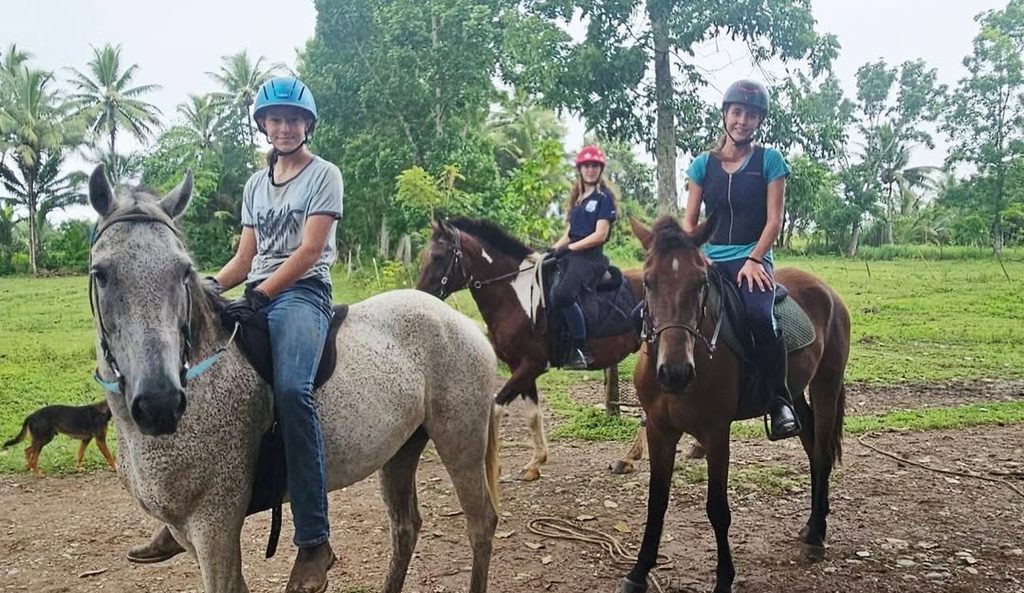
Each horse has a sponsor, and weekends are when sponsors visit to ride and spend time with the animals they support.
“The horses warm up and stretch first,” Mr Bulai said.
“Then they go wherever their sponsors want, the fields or the river. Saturday is their fun day.”
Two houses sit on the property, one for Ms Hunter, who is based at the sanctuary most of the time, and another where Mr Bulai and his sons rest during the day. Work begins early and rarely slows.
Challenges and outreach
Despite its success, Horse Sanctuary Fiji faces ongoing challenges, chief among them is the need for more land to accommodate the growing number of horses.
“We expect more horses in the future and space is our biggest concern,” Mr Bulai said.
Funding is another constant pressure.
The sanctuary relies entirely on donors and sponsors to cover feed, veterinary care and upkeep.
There is no profit, no charge and no guarantee.
Yet the work extends beyond rescue.
The sanctuary also runs outreach programmes, visiting villages to distribute horse-care equipment, educational handbooks and resources to promote better treatment of animals.
“It’s about education as much as rescue,” Mr Bulai said.
A founder’s vision
When speaking of Ms Hunter, Mr Bulai’s admiration is very much obvious.
“I’m in awe of her dedication,” he said.
“The money she puts into this place, with no expectation of anything in return, it’s incredible.”
He describes her as a deeply committed community member, known locally for her generosity and social work.
Among her initiatives are food drives conducted on horseback, delivering supplies to families in need.
“For most people, if you invest that much money, you expect a return,” he said.
“But she gives everything, just to help.”
Mr Bulai’s greatest word of advice to his fellow countrymen is to show greater compassion of the living things around.
“We think horses are just animals, they don’t feel or experience pain or love, this is wrong. They need the same things we do as well, food, water, shelter, but most essentially they crave for love.”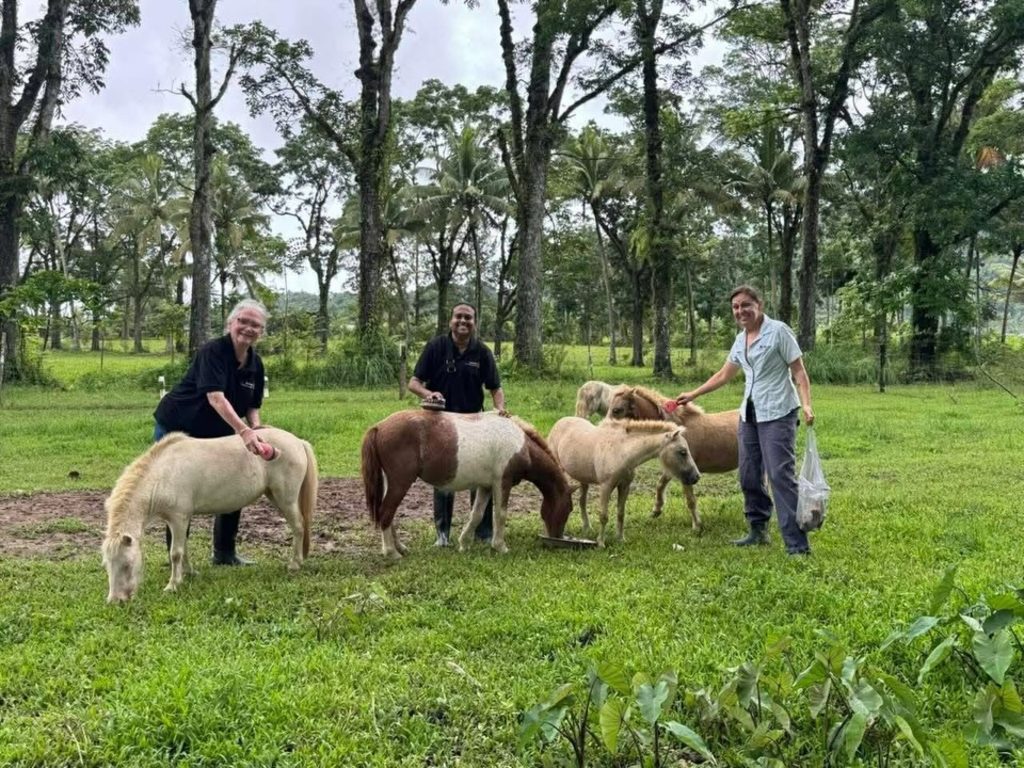
Rotary Club members with some of the ponies at the sanctuary. Picture: SUPPLIED
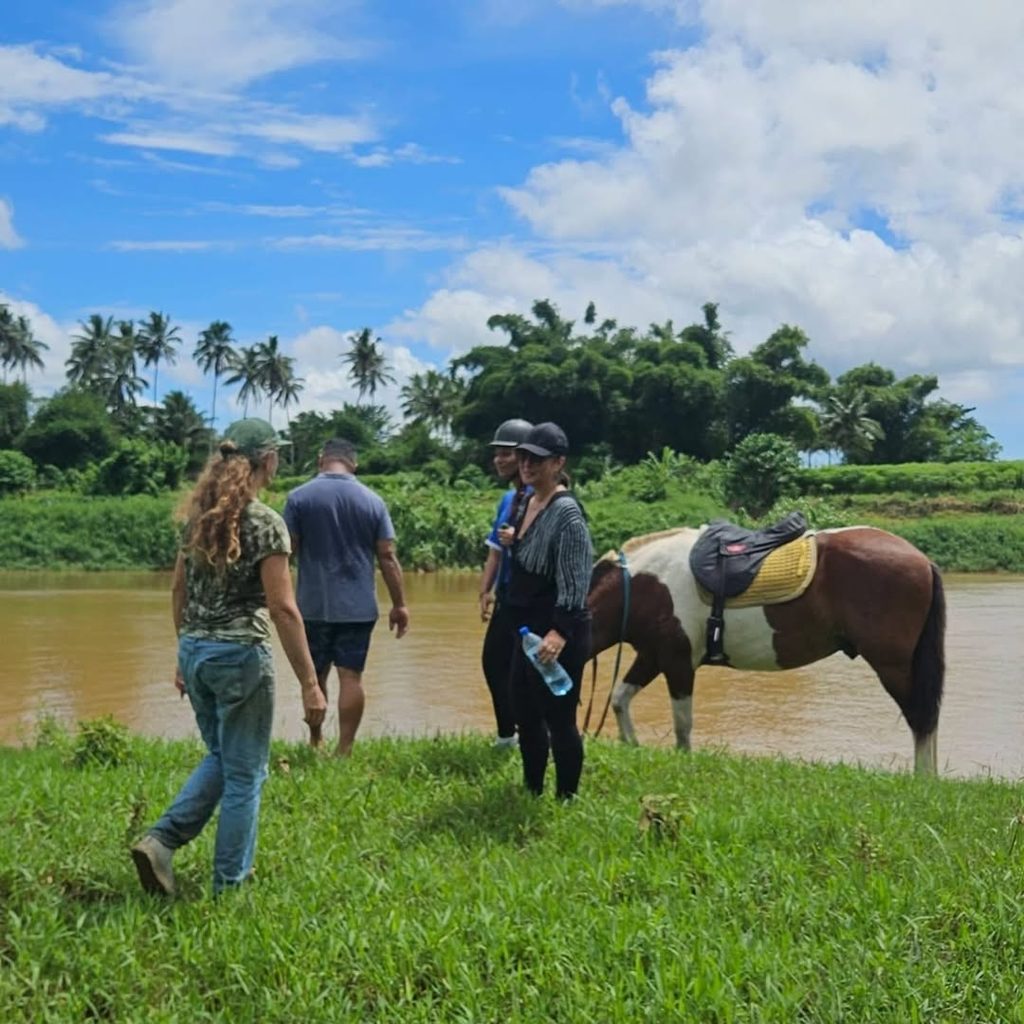
Sponsors and their horses take a break by the Navua river.
Picture: SUPPLIED
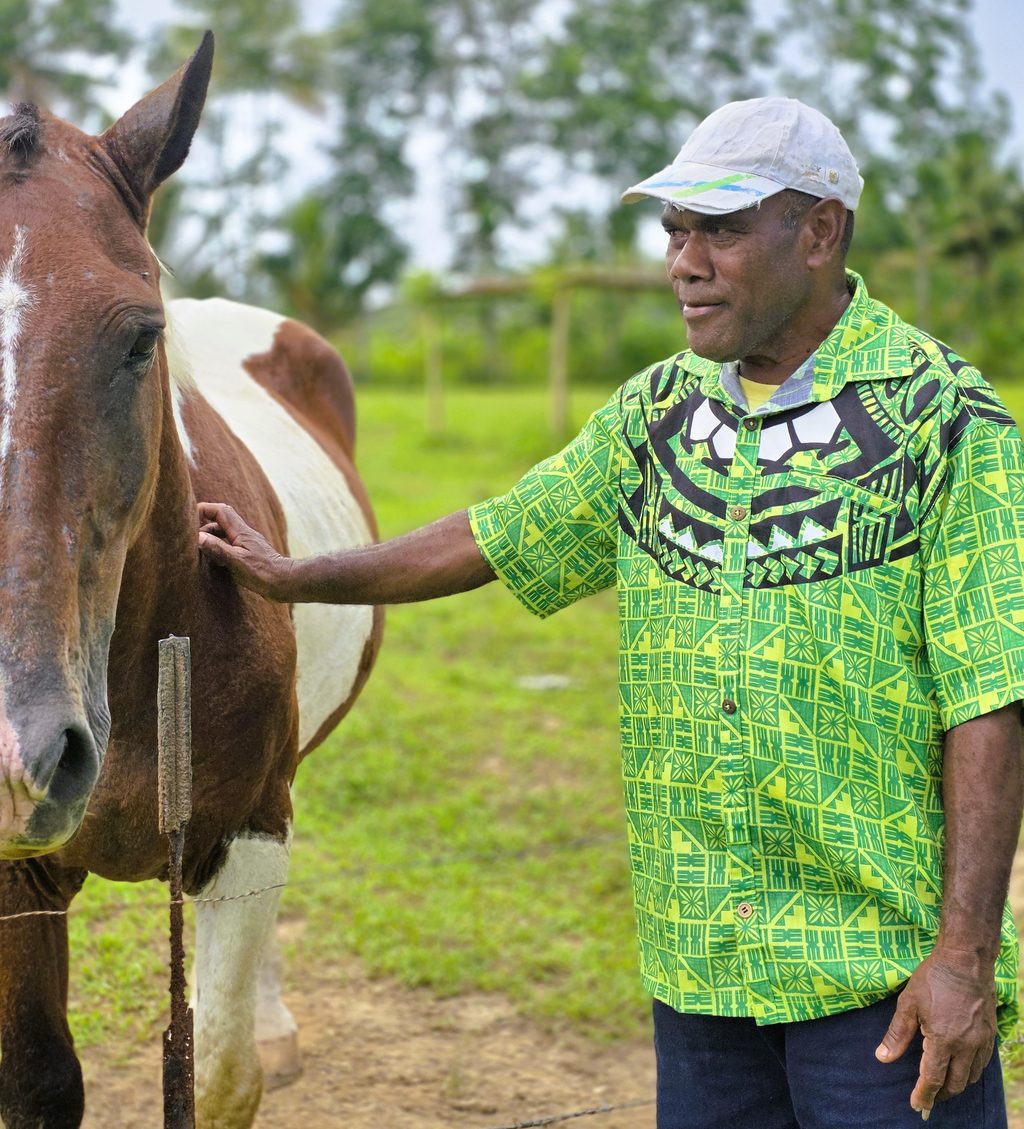
Tomu Bulai, the leading hand at the Horse Sanctuary Fiji.
Picture: ALIFERETI SAKIASI
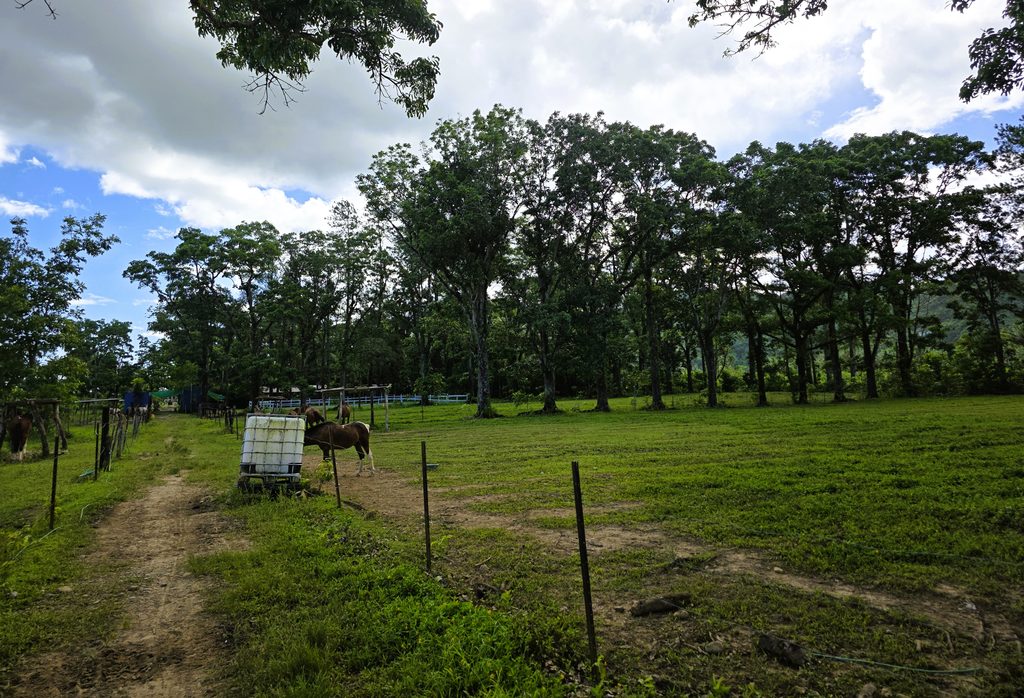
The property sits on about six and a half acres of land in Vakabalea, Navua. Picture: ALIFERETI SAKIASI
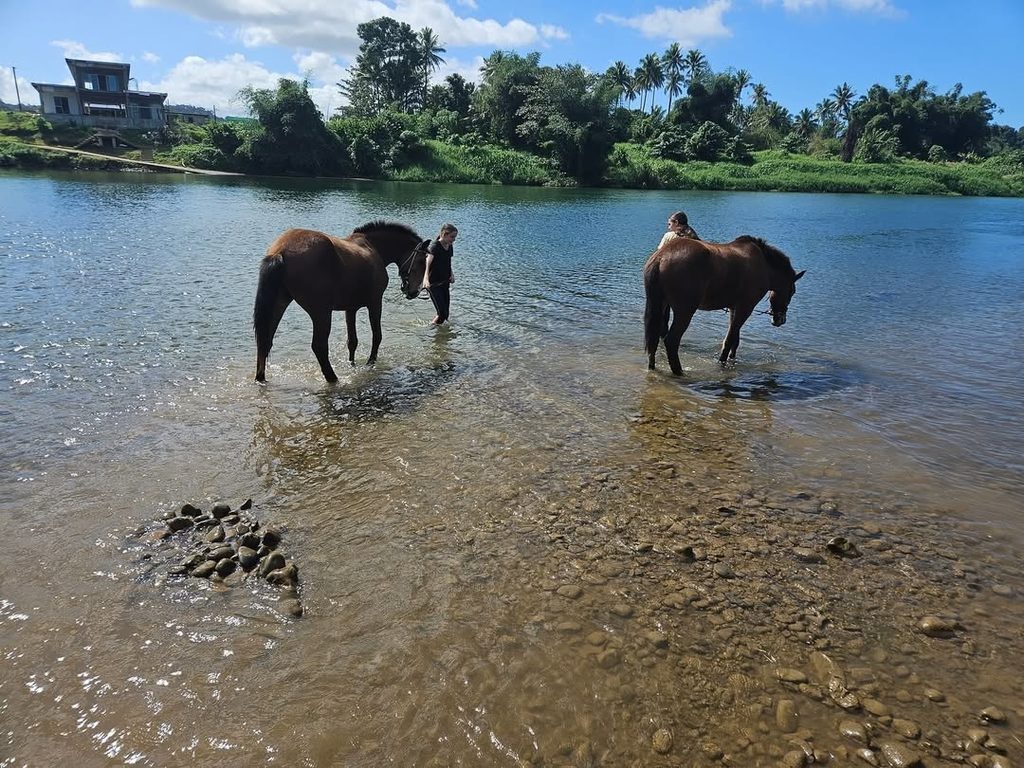
Sponsors and their horses colling off their feet in the river. Picture: SUPPLIED
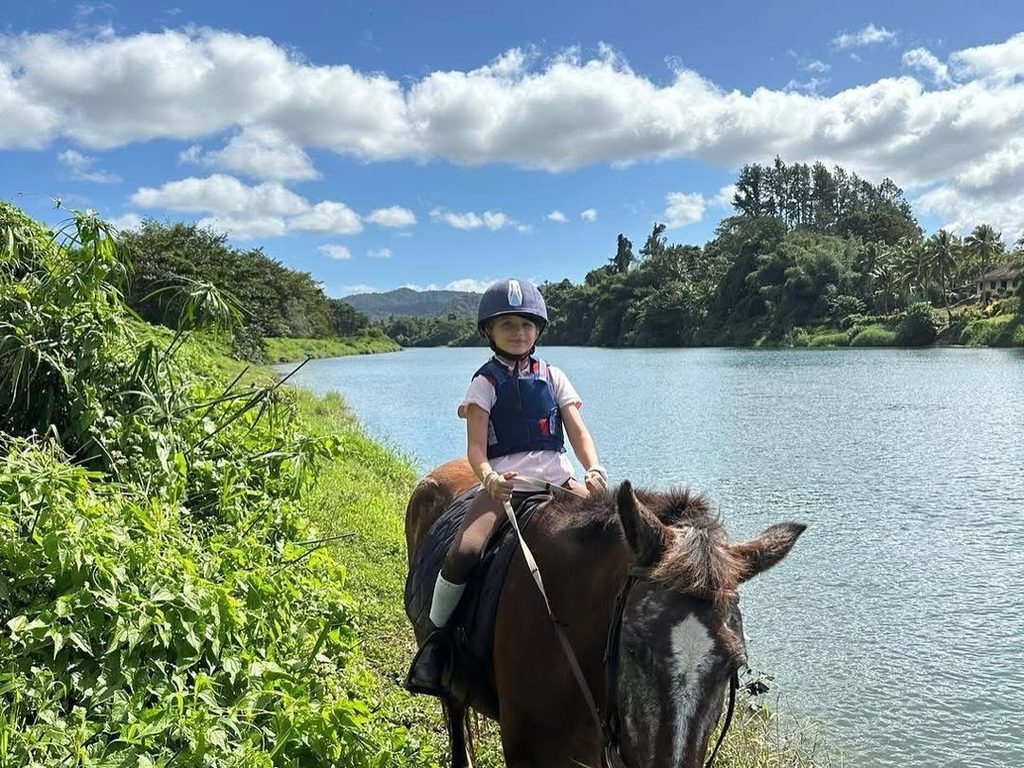
A young rider exploring the banks of the Navua river on horseback. Picture: SUPPLIED
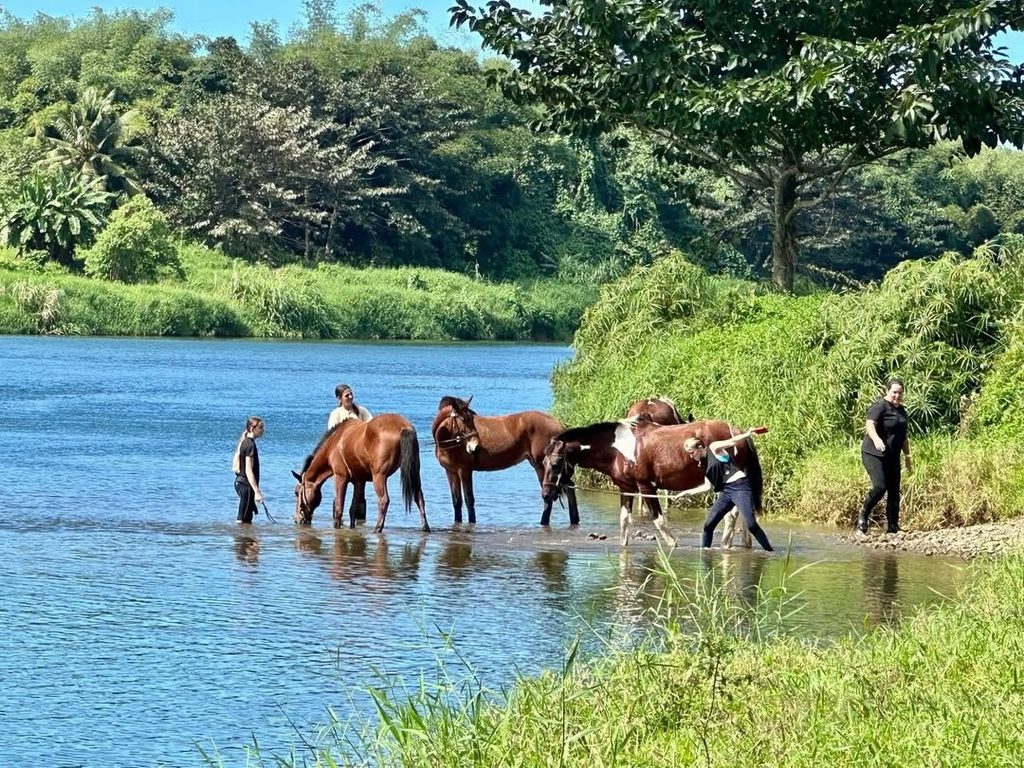
Riders and the horses stop by the Navua river to cool off and take a breather.
Picture: SUPPLIED

