
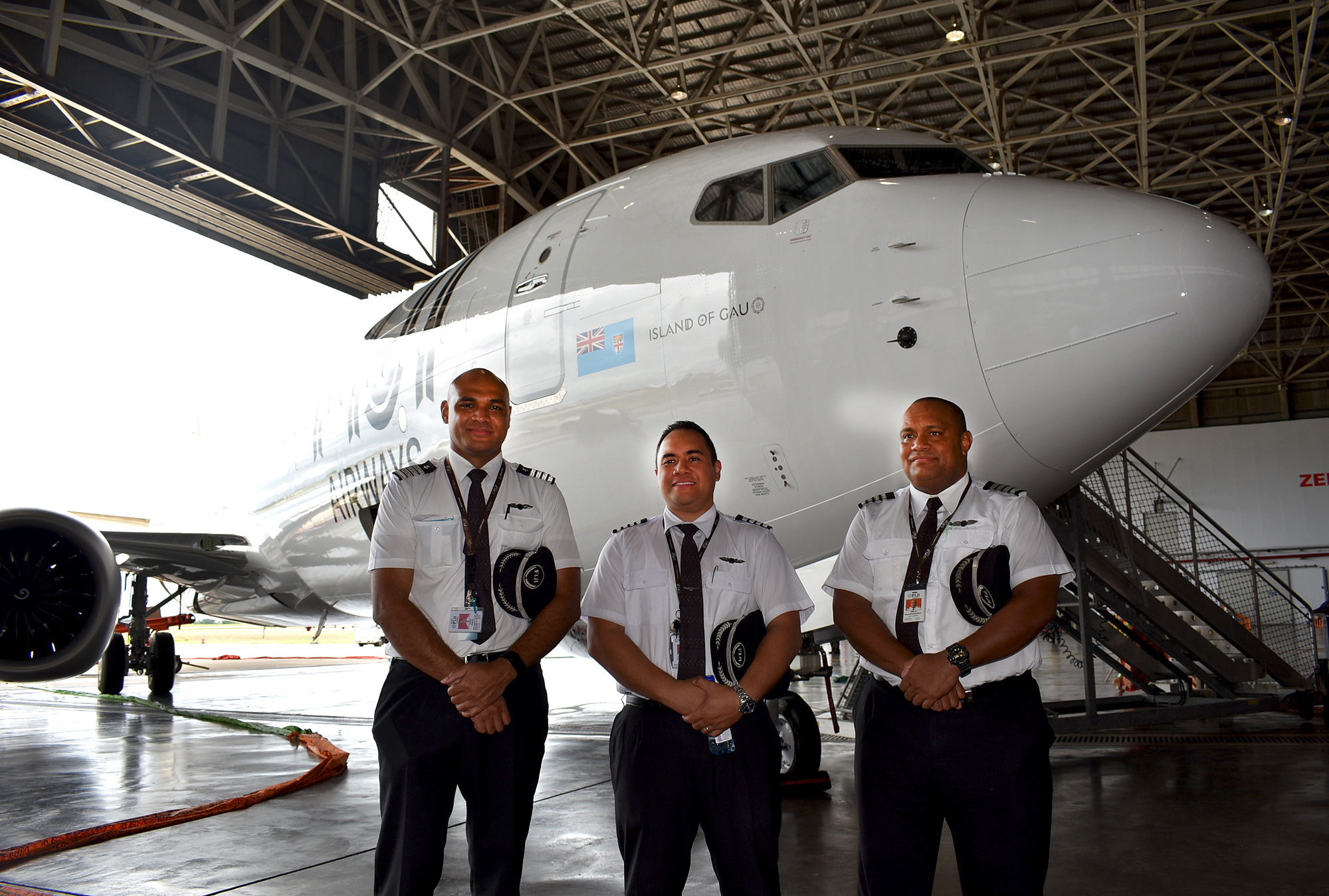
SHAPING the aviation sector into what it is today has not been an easy task.
The bulk of work undertaken by expats in the earliest stages, including the setting up of a national airline and building of numerous aerodromes, has been enhanced by the hard work and dedication of locals.
Pioneers in their fields, local aviation workers are continuing their work in various agencies, ranging from Government, Fiji Airports Ltd, Civil Aviation Authority of Fiji and the national carrier Fiji Airways.
William Gardiner, a retired pilot with 45 years of flying experience, believes expatriates played a key role in the sector.
“In the beginning, it was all expats who had to be brought in to set the airline up and they came in for management and all key positions,” he said.
“Pilots were the big thing because when we started, there were all expat pilots so we had to learn from them and slowly we localised.”
Sadly, one of the most pressing challenges facing workforces in the country has not spared the aviation sector.
Promising young pilots who developed their career in Fiji have left for greener pastures overseas.
The void left by these individuals has been significant, one which expats have continued to fill. Mr Gardiner hopes the airline will be able to retain local staff members in years to come.
“There aren’t enough local pilots and when the fleet expands, you get more and more planes flying and a lot more destinations so you need more air crew.
“You need about seven or eight per plane, so for every plane it’s about seven to eight captains and first officers so with a significant fleet, you’re looking at pilots in the hundreds.”
This is something that can be addressed once the Fiji Aviation Academy opens its doors this year. Aspiring pilots will be able to train on a CAE Boeing 737 MAX aircraft full simulator once this is installed in the academy.
Apart from this, the national airline has highlighted the training academy will have two full flight simulators installed during the first phase of the project.
The second step will include the selection of a full simulator for wide body aircraft.
This project, considered a milestone achievement, is set to attract Fijian and regional students.
Mr Gardiner says he is hopeful some of these issues will be addressed soon.
“I think now with the academy, which can address some of these issues, pilots will be trained from scratch and join the airline and stay because that’s going to be the future.
“Like every profession, people would like to stay but they can go away for greener pastures, that’s a sad thing but it happens to smaller countries. A lot of younger pilots have gone to places like the Middle East, Emirates, Oman, Qatar, and they get paid big money.”
And while flying comes with perks of its own, Mr Gardiner says those joining the industry, particularly as pilots, need to be dedicated and disciplined.
“A lot of people take up flying because they think it’s a glamour job but I think in this day and age, it’s lost a bit of its glamour but it’s a disciplined profession and we must keep ourselves in shape.
“Every six months, you are examined and your requirements for health are stricter than normal check-ups.
“You have to be disciplined in your attitude, pass all your tests and checks and if you fail, you’ll be grounded.
“You have to live a very cautious life if you want to last that long. Look after yourself, be prepared to be away for periods of time.”
With plans to increase the reach of Fiji Airways in the coming years and investment into its fleet, the need for more local pilots has never been more necessary.
Last year, the airline resumed direct flights to Japan and welcomed its first Boeing MAX 8 aircraft last month.
The second of the five MAX 8 aircraft expected by the airline arrived last week.
It is expected to operate shorter haul routes to Australia and New Zealand.
Investment into growing the airline does not stop here.
Airline executive general manager corporate Shaenaz Voss labelled 2018 as a successful but challenging year.
She said despite high fuel prices, they had not stopped investing and they were proud of their fleet.

