The six-one (6/1) men defence pattern has been widely used by all the teams in the HSBC World Rugby Sevens Series arena.
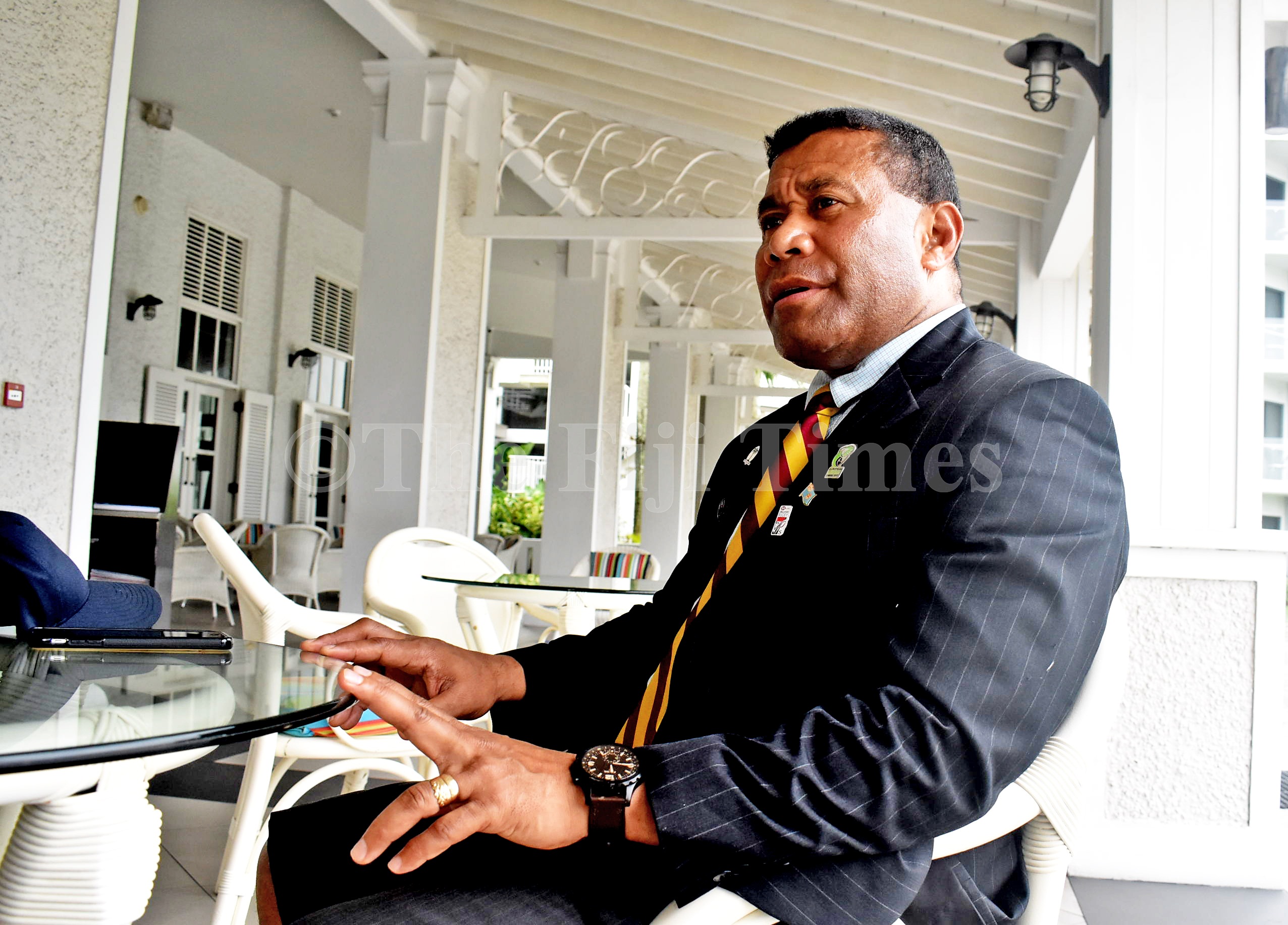
We might be all wondering how it all started and former Nabua half back and also national 7s player Pauliasi Tabulutu shared his insight about the pattern and how it has been successfully followed by all the teams.
According to Tabulutu it was in 1989 when the Nabua 7s team under the leadership of the late Ratu Kitione Vesikula where the pattern was introduced.
Present in the team were legends Waisale Serevi, Meli Rauluni, Ilaitia Lalai, Vili Rauluni, Vesi Rauluni, Tomasi Cama Sr, Eroni Vavaitamana, Josaia Rabele, Filimoni Seru, and Ratu Vuiyasawa to name a few.
“The 6/1 defensive pattern was an idea conjured by the players and was endorsed by Ratu Kitione Vesikula,” he said.
“During training sessions, the team played against two to four teams comprising of eight to 10 players to test this defensive pattern — especially with the six players as first line of defence, and Serevi as the only player on the second line of defence.
“It was easy to actually apply the 6/1 defensive pattern during tournaments because it has been trialed out during training sessions.”
He added the first time they (Nabua team) tried the pattern, they successfully won the Nawaka 7s and six other tournaments in 1989.
“The role of the first line of defense (six players) is to force the attacking team commit errors or to kick the ball away, and if they do, Serevi can always counter attack.
“But if they able to penetrate the first line of defense, Serevi will try and force the ball carrier to the touch line and give time for cover defense to catch up to attack supporting players.
“This was effective and denying attacking teams possible points.
“Local clubs adopted the 6/1 defensive strategy and our national team since most from Nabua were in that team.
“Other national teams adopted the strategy from then until today.”
He remembered those who have pass saying that it was team work that came up with defence pattern.
“With the enforcement of the defence pattern, the level of playing 7s in Fiji increased, people were following it and knowing us Fijians we are good at playing rugby.
“It was teamwork, communication, reading the game and to be passionate about playing rugby will help you win.
“It was easier in our time; we regrouped and then took cover and try to counter our opponents.
“Most of all it was a team contribution towards the successful running of our Nabua team.”
Most of all the experience and the discipline of the players contribute to the success of the team.