
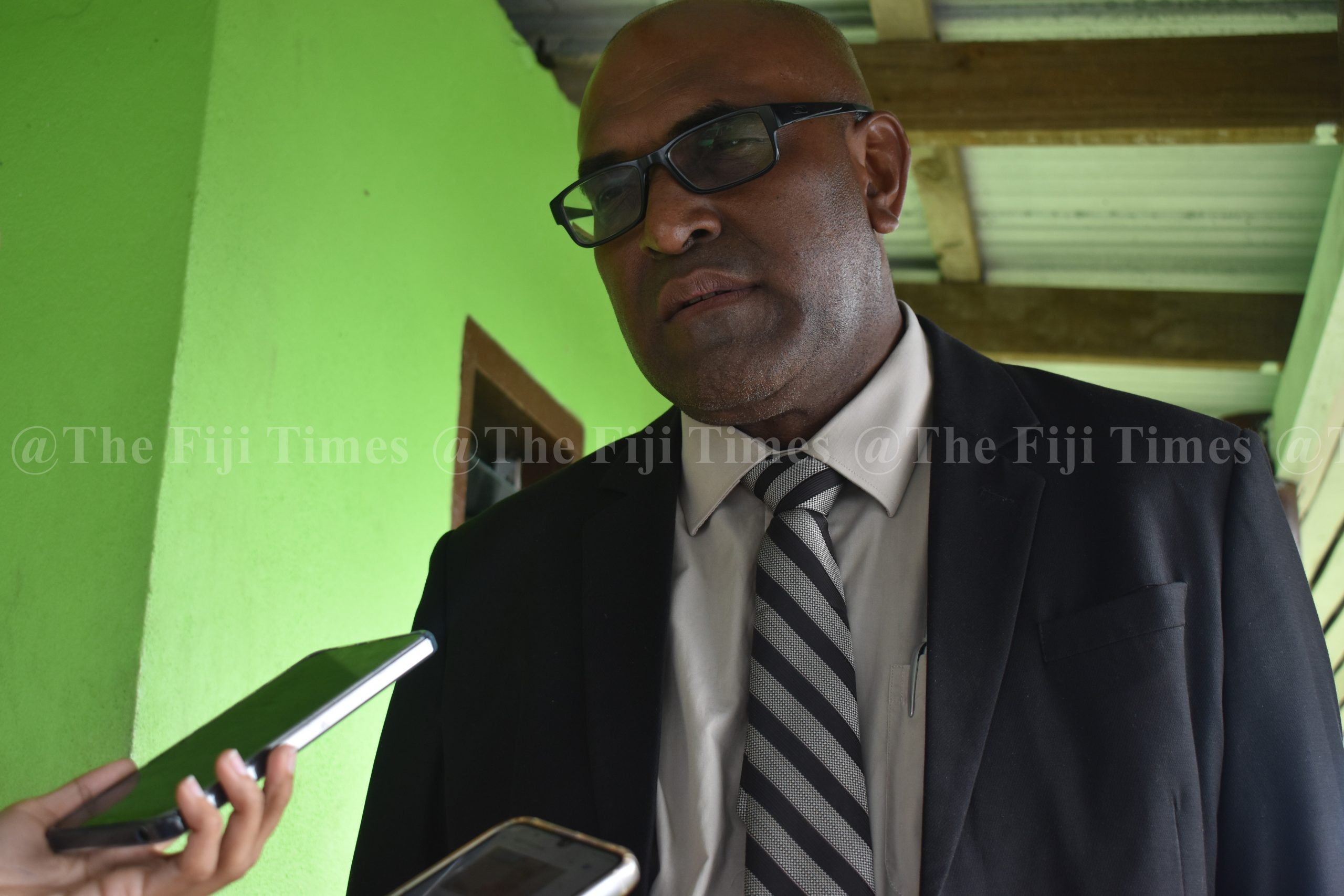
Some health facilities are out of dengue testing kits, Health Minister Dr Atonio Lalabalavu confirmed yesterday.
He also noted that dengue cases have dropped, but warned the public not to become complacent as the country was not out of the woods yet, and is continuing to manage the mosquito-borne disease.
He said the issue with the testing kits was being addressed.
“Yes, there has been a drop in the dengue cases, and yes, I am aware that some facilities are out of dengue kits, and we are in the process of procuring new dengue kits so it can be put out there into the facilities,” he said.
“As it is, the trend shows that dengue is slowing down and the new numbers are low, but we don’t have to put our guard down – we will procure more dengue kits.”
He said the procurement process involved both local and overseas suppliers and was expected to take up to three weeks.
He credited ongoing awareness campaigns and community clean-up efforts for helping curb the spread.
From January 1 to June 15, 2025, Fiji recorded 10, 969 dengue cases, with the Western Division reporting the highest at 4860 cases, followed by the Central Division with 2868, Northen Division with 2867, and the Eastern Division with 274.
As of June 15, 2025, active cases dropped to 562, with 147 in the Western Division, 141 in the Central Division, 198 in the Northern Division, and five in the Eastern Division. When asked about people who could not afford to buy dengue kits from pharmacies, where prices ranged from $20 to $30. Dr Lalabalavu clarified that the kits were mainly used for confirmation.
“Dengue kits are usually just for confirmation, but nevertheless, like any dengue symptoms, it is similar to any viral infection,” he said.
“So, in terms of getting people aware that the symptoms that they have may be dengue, but the treatments are all the same.
“It’s conservative treatment, hydration, Panadol, and rest.”
He added testing could also be carried out in the lab, and whether to purchase a kit privately remained “the choice of the individual”.

