
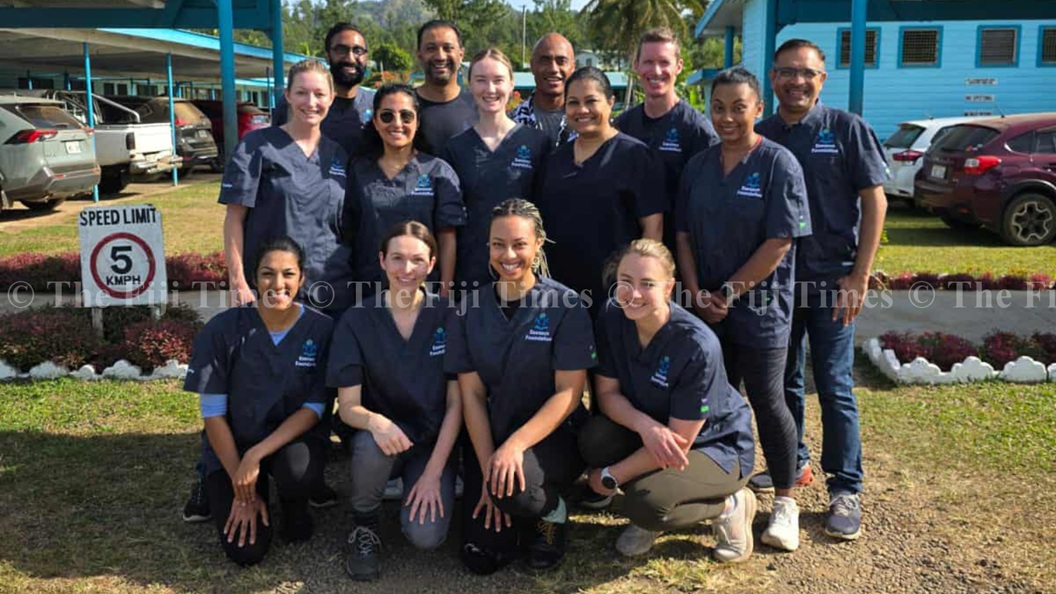
A visiting team of Australian healthcare officers has raised serious concerns about the long-term impact of poor hygiene and rural Fiji’s limited access to medical and dental services.
Esesson Foundation founder Ajitha Sugnanam said there were services available at the Labasa Hospital, but these were limited.
“Once you step outside the hospital’s reach, especially into rural and remote areas, options for healthcare, particularly dental, are close to non-existent,” she said.
One of the most common conditions encountered, Dr Sugnanam said, was scabies, a highly contagious skin disease that spreads rapidly in overcrowded conditions with poor sanitation.
“Scabies is just one example of a condition that could be drastically reduced with better hygiene and access to basic treatment.” She believes the real opportunity for improving health outcomes lies in primary prevention, stopping diseases before they start.
“We’re seeing high rates of hypertension, diabetes, and dental decay, all stemming from the same root causes — excessive consumption of sugary drinks, poor nutrition, lack of exercise, and smoking. Combine that with overcrowding and a lack of hygiene, and it creates a perfect storm for disease.”
While the medical team has been able to provide much-needed care to hundreds of residents, they’ve also had to work within tight resource constraints.
“Whatever we freighted in from Australia is all that we had. It’s been enough to keep us going, but we now have a clearer understanding of what Fiji needs.”
Looking ahead, she hopes to extend their outreach to the outer islands, where healthcare services are virtually non-existent.
“If we want to improve the health of all Fijians, we must start with prevention and make sure no community is left behind.”

