
The Ministry of Civil Aviation is pushing to progress discussions with Australia on accessing bulk Sustainable Aviation Fuels (SAF).
Outlined in the 2026-2031 Civil Aviation Master Plan launched last month, the decision was sparked by the global aviation community’s move towards minimising its carbon footprint.
“Long haul aviation will be among the hardest sectors to decarbonise due to the present limitations of both hydrogen and battery technologies,” the report said.
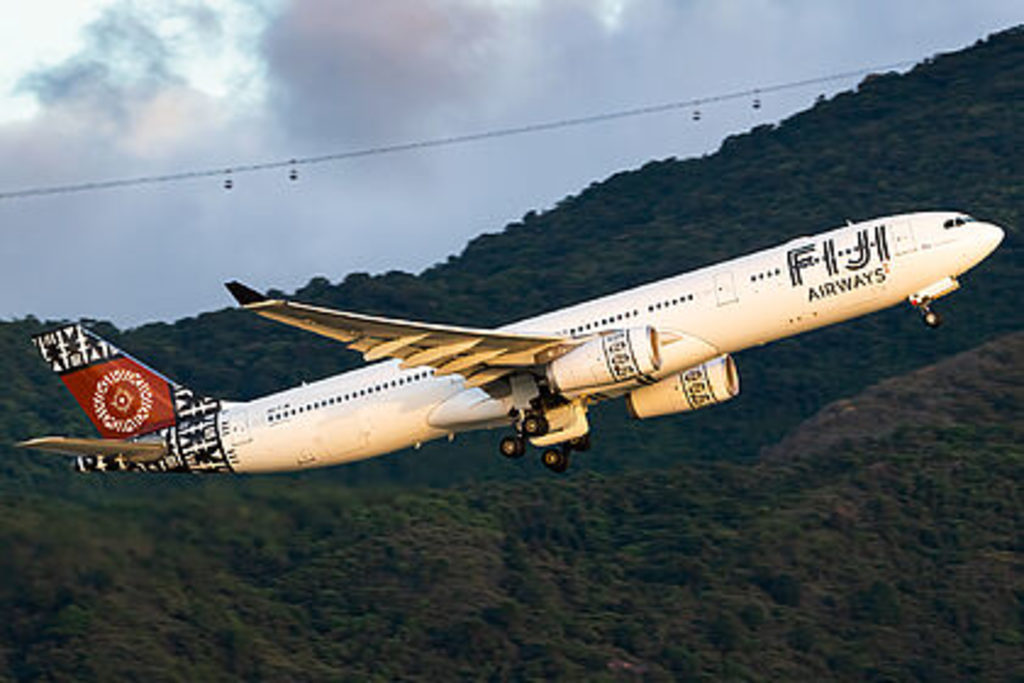
“Fiji Airways is already moving towards the refining and use of SAF via a collaborative agreement between Fiji Airways, Fiji Sugar Corporation, Lee Enterprises Consulting and the Asia Development Bank to evaluate the feasibility in Fiji using sugarcane residue as feedstock.
“Internationally, governments are already implementing a range of requirements regarding SAF usage, some of which will affect Fiji Airways.
“Singapore proposing a passenger levy from 2026 to help airlines transition to SAF and Japan is likely to mandate that all airlines operating from Japan depart with at least 10 per cent SAF by 2030.
The report suggested that Fiji strengthen talks to address these requirements and expectations and develop a certification scheme consistent with international standards to verify the emissions from SAF.
“It is recommended that the Government of Fiji progress discussions with the Government of Australia on accessing bulk SAF from Australia and hence leveraging off the work and investments of the Government of Australia is already investing into developing SAF production.
“The airports in Fiji and around the wider region have a key role to play in addressing environmental issues including both reducing carbon and managing waste.
“It is recommended that all airport operators be required to provide in airport master plans information how development of the airport will address climate change resilience including ensuring alignment with Fiji’s Paris Agreement commitments and the National Adaptation Plan, noise mitigation, waste management, decarbonisation and disability access.”
The five year master plan was launched by the Civil Aviation ministry in close collaboration with the Australian government.

