
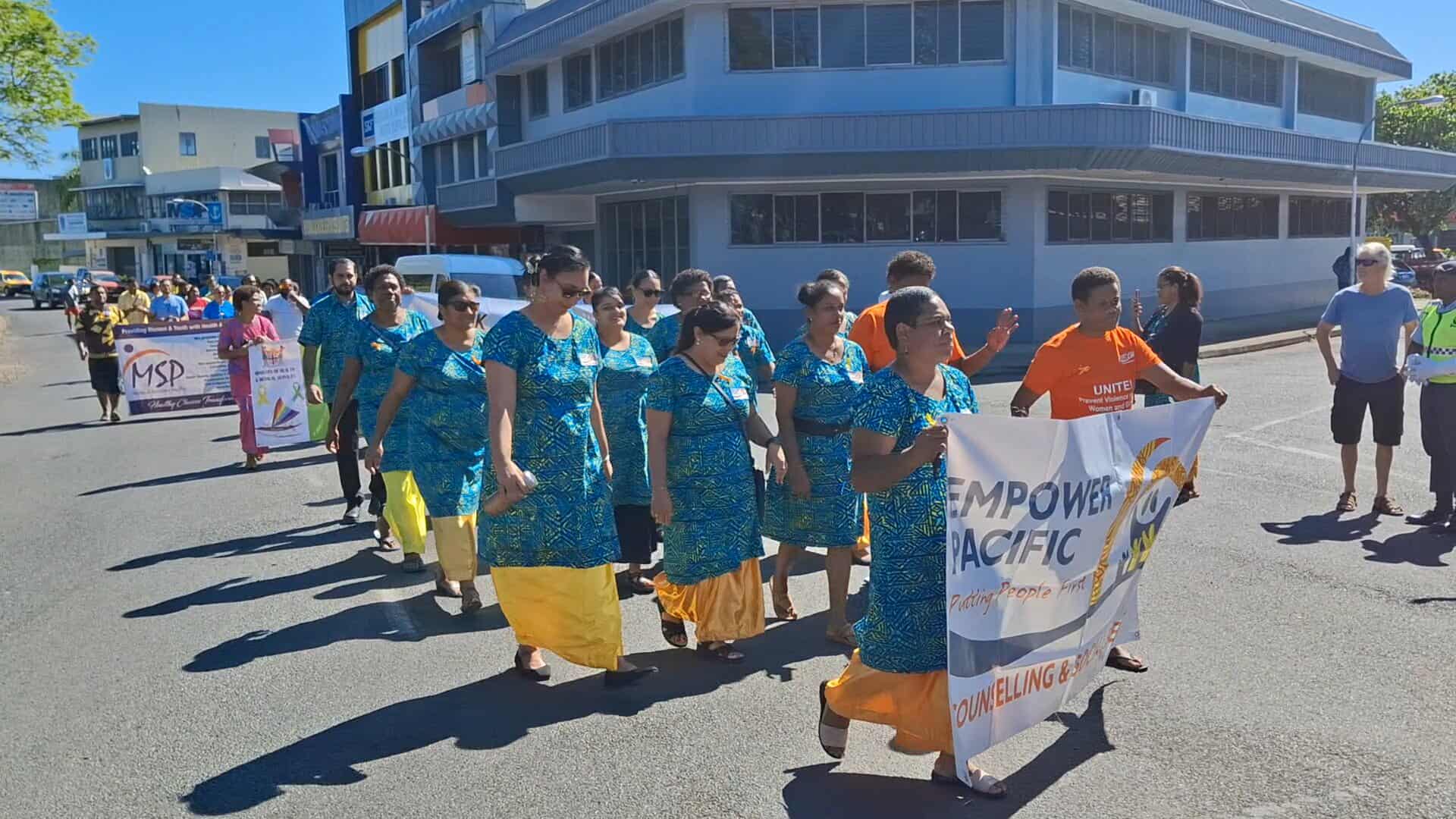
IF A family member or a friend talks about suicide, it is imperative to take them seriously, says Empower Pacific CEO Patrick Morgam.
He told the World Suicide Prevention Day event in Lautoka that risk factors and warning signs such as depression, personality change, self-harm behaviour, recent life crisis and conversations about wanting to die, need to be looked at closely and learned by those whose loved ones exhibit these signs.
“Just to give you stats on attempted suicide that Empower Pacific has been able to attend this year, from 1st of January to end of July, we attended to 22 deliberate self-harm cases,” Mr Morgam said.
“These are individuals that deliberately self-harmed and then we had those that attempted suicide, we attended to 83.
“This year alone, half a year alone, we have passed the 105 mark. Just imagine this, 105 were trying to commit suicide but were saved.”
He said some of the reasons for these attempted suicides included, but were not limited to, relationships, family issues, witnessing regular domestic violence between carers, history of ongoing domestic violence and abuse and substance abuse. Mr Morgam said Empower Pacific has been on the forefront of mental health and well-being for more than three decades.
He said Empower Pacific advises the public to also access the nearest protection agencies, such as the Fiji Police Force, the hospital or health centres for any urgent access to safety and protection in addressing life threatening issues.
“We are proud to say, with the support of Ministry of Health and Medical Services and donor funders, we have a 24-seven counseling helpline – 5626 – that you can also call or visit one of our nearest officers if you feel suicidal or need to need someone to talk to.”
Mr Morgam said changing the narrative on suicide won’t happen overnight, however, creating a culture of support where people feel empowered to seek help early and promote mental health education is vital in facilitating the process.

