
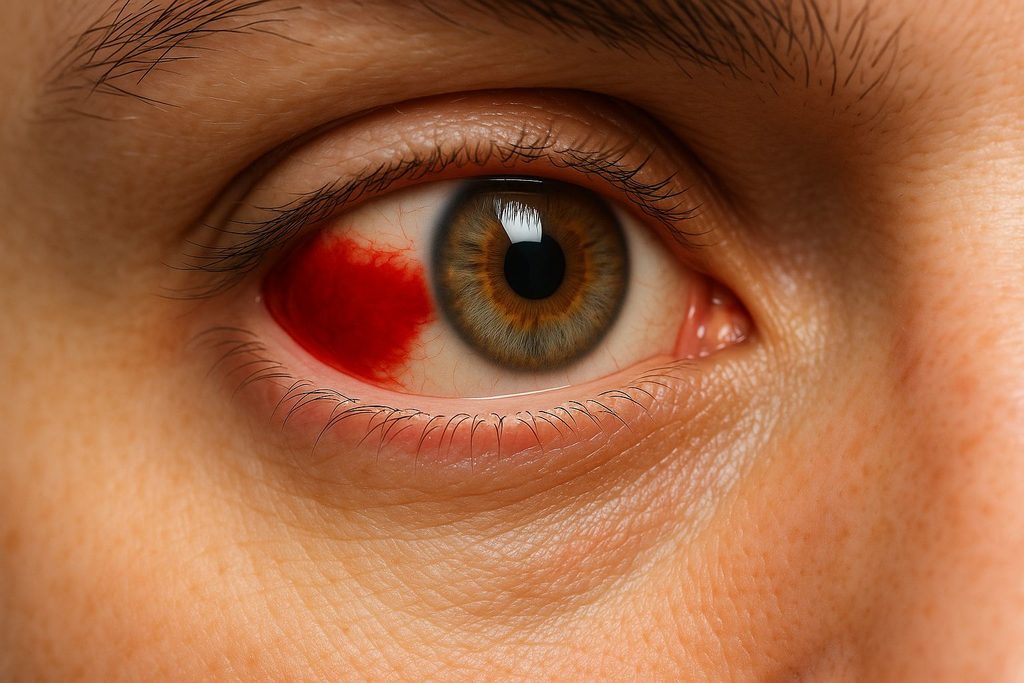
Sub-conjunctival haemorrhage is a common and usually harmless eye condition. It happens when a small blood vessel breaks just under the clear surface of the eye, called the conjunctiva. This causes a bright red or dark patch to appear on the white part of the eye. Because the conjunctiva is transparent, the blood looks very noticeable, which can be alarming. However, in most cases, it is not serious and does not affect eyesight.
Causes
This condition often occurs suddenly and without pain. Common causes include rubbing the eyes too hard, coughing, sneezing, vomiting, or straining during constipation. A sudden rise in blood pressure, heavy lifting, or intense laughing can also break tiny blood vessels in the eye. Minor eye injuries, dust entering the eye, or wearing contact lenses improperly may lead to it as well.
Certain health conditions increase the risk, such as high blood pressure, diabetes, and bleeding disorders. Sometimes, no clear cause is found, and it may happen on its own.
Symptoms
The main sign is a red patch on the white part of the eye. There is usually no pain, no discharge, and no change in vision. Some people may feel mild irritation or a foreign-body sensation, but serious discomfort is uncommon.
Treatment
In most cases, sub-conjunctival haemorrhage does not need any special treatment. The blood slowly gets absorbed by the body, just like a bruise on the skin. This usually takes one to two weeks, though larger patches may take a little longer to clear.
Lubricating eye drops can be used if there is dryness or mild irritation. If the redness increases or is associated with pain, swelling, or blurred vision, you should consult an eye doctor immediately. The doctor may prescribe antibiotic eye drops or ointments if required.
Prevention
While it cannot always be prevented, some simple steps can reduce the risk. Avoid rubbing your eyes forcefully. Treat coughs, constipation, and allergies promptly to avoid straining.
Wear protective eyewear during sports or work that may cause eye injury.
Manage long-term conditions like high blood pressure and diabetes with regular check-ups and medicines as advised by a doctor.
Awareness message to the public
Seeing a red eye can be frightening, but sub-conjunctival haemorrhage is usually harmless and heals on its own.
Do not panic or don’t use random eye medicines. Rest your eyes and observe.
However, repeated episodes, injury to the eye, or redness with pain and blur vision should never be ignored. Early medical advice helps rule out serious problems and keeps your eyes healthy.
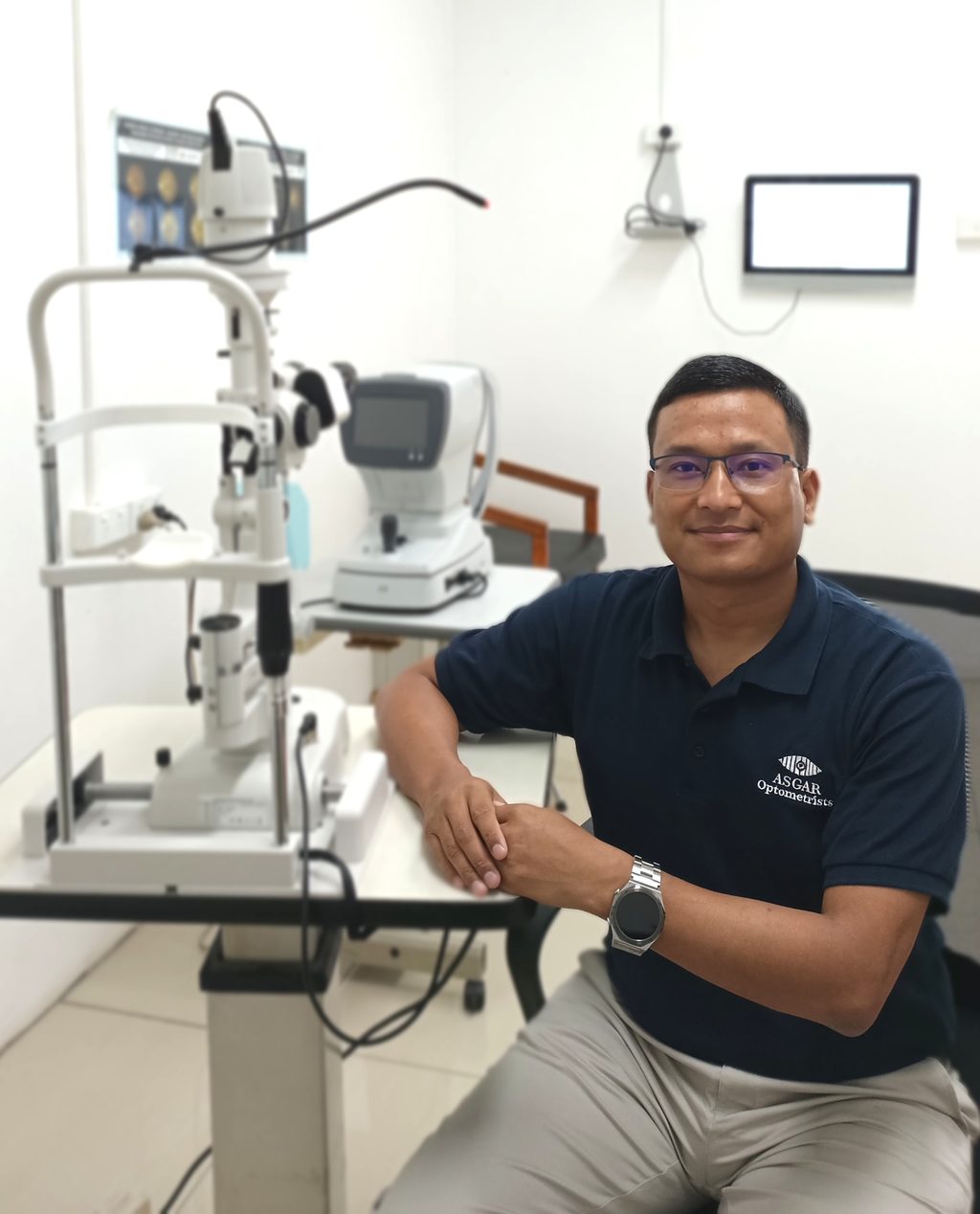
n Ukash Manger is the Consultant Optometrist at Asgar Optometrist Lautoka branch.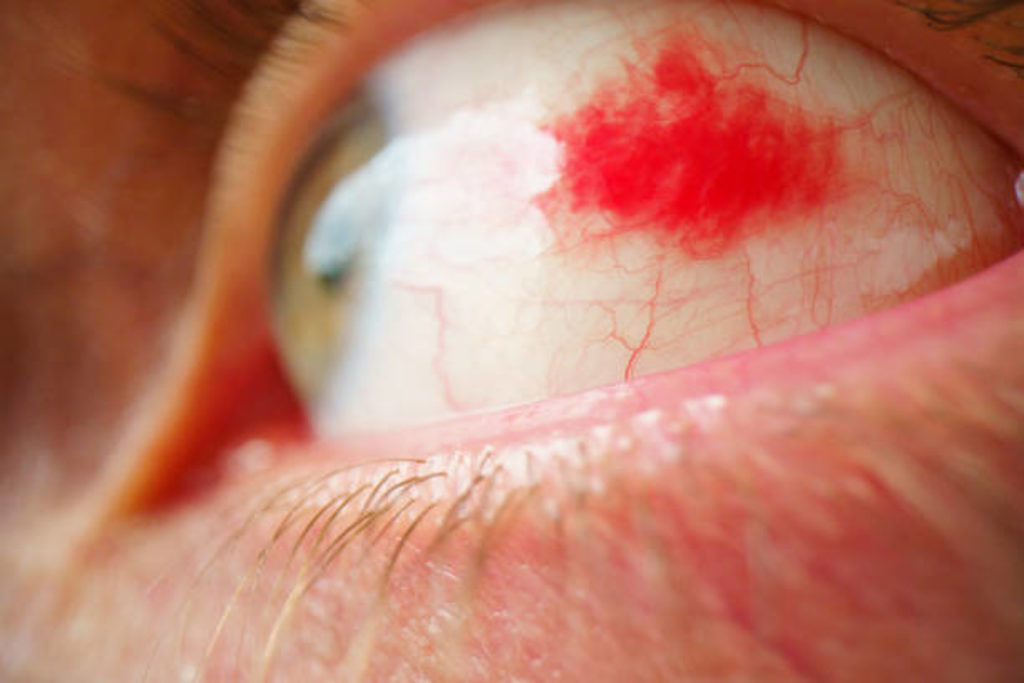
Subconjunctival haemorrhage — hyposphagma. A close-up of a red bloodshot eye with burst blood vessels. Picture: SUPPLIED
Compiled by
UKASH MANGER

