
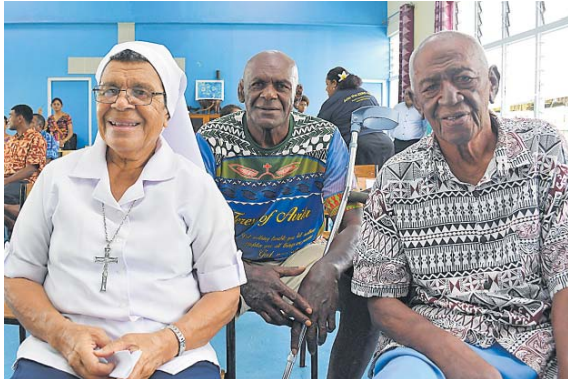
Leprosy is no longer Fiji’s greatest challenge but the stigma associated with it is.
Assistant Minister for Health Penioni Ravunawa says leprosy can be treated, prevented, and cured, but social rejection continues to isolate patients and their families long after diagnosis.
“Leprosy is not something that happens only internally — it exposes externally as well,” Mr Ravunawa said during a World Leprosy Day 2026 event at the Tamavua Twomey Hospital.
“Because of the nature of the disease, they face a lot of stigma and discrimination from society, and not only the patient, but also their families.”
Mr Ravunawa said visible complications such as amputated limbs often lead to fear and misunderstanding, despite advances in medicine that has transformed treatment outcomes.
He said some patients are young students, while others are elderly villagers living in isolation, all facing a long journey of treatment and social acceptance.
“The stigma is a big fight for these people; it is important that members of the public show respect and dignity and have love and compassion for patients with leprosy.”
While Fiji continues to record between four and eight indigenous cases annually, Mr Ravunawa said the country has also become a regional referral hub, managing five to seven cases each year from neighbouring Pacific Island countries.
He said the Tamavua Twomey Hospital and the Pacific Dermatology Training Centre play a critical role in supporting the wider Pacific.
“This year’s theme reminds us that our greatest enemy is no longer the bacteria, but the stigma,” Mr Ravunawa said.

