FOR the Pacific, the fight to keep global warming below 1.5 degrees Celsius is no longer a distant international climate target. It is a fight for homes, food, water, livelihoods and the future of communities already living on the frontline of a changing climate.
As Pre-COP31 continues in Nadi, Pacific leaders, academics and climate advocates are warning that the region cannot afford to treat 1.5°C as a political slogan or a number on a global temperature chart.
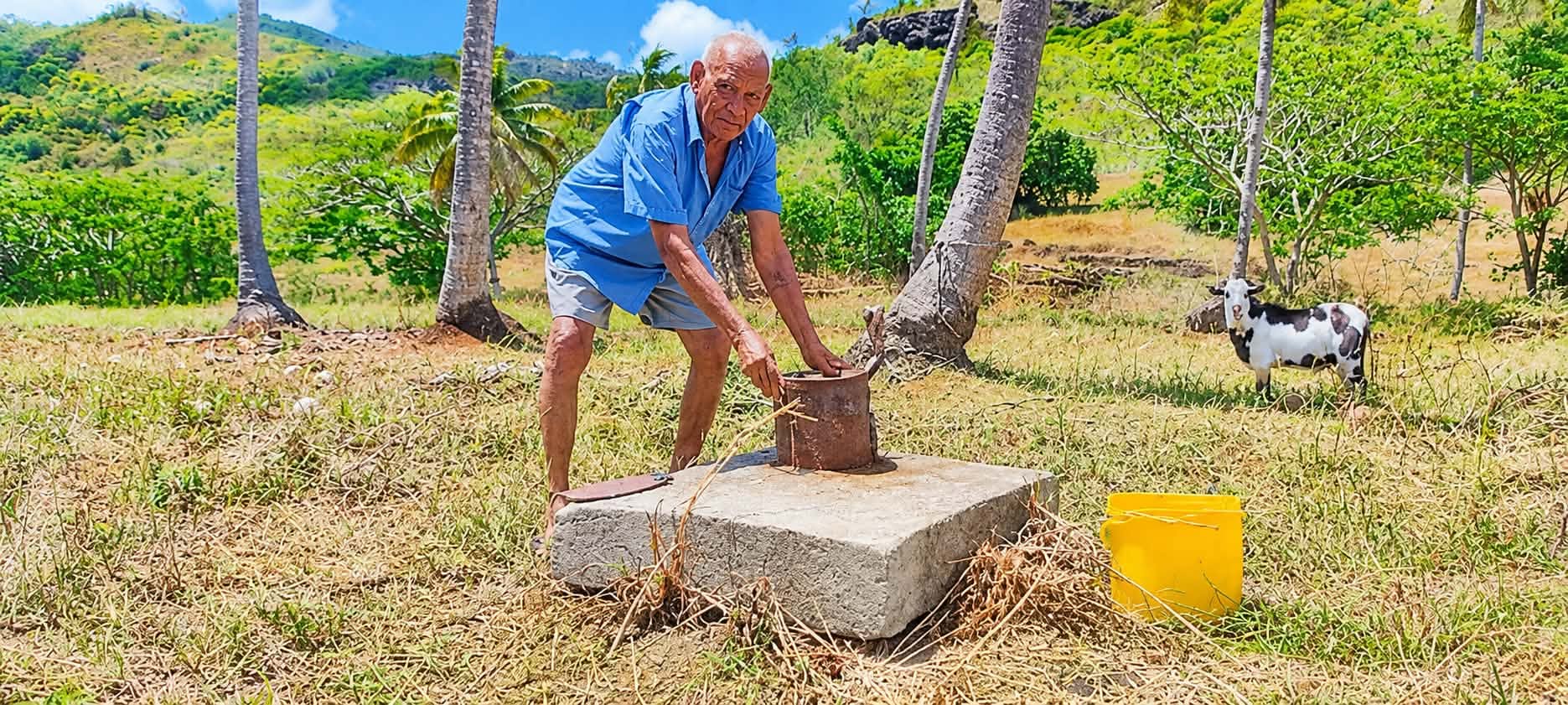
For communities facing rising seas, saltwater intrusion, warming oceans, coastal erosion and changing food systems, every fraction of a degree matters.
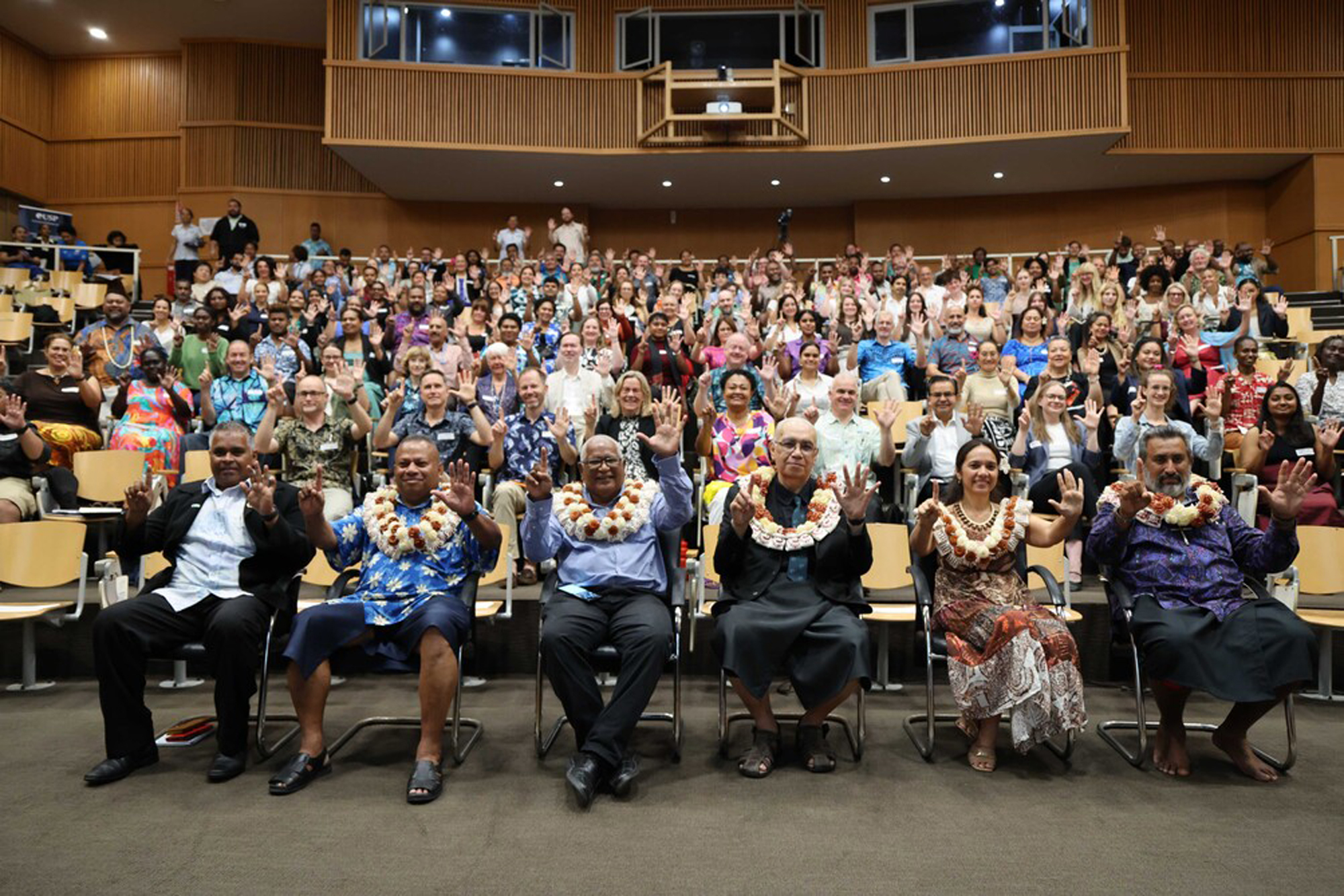
The warning came into sharp focus at a regional lead-in discussion at The University of the South Pacific’s Laucala Campus last Saturday, where Pacific and Australian scholars, policymakers and climate advocates gathered under the theme, “1.5°C to Stay Alive: Aligning Finance, Justice and Community Voices to Keep 1.5°C in Reach”.
The event, hosted by USP and in partnership with the COP Universities Alliance, set the stage for the discussions expected to dominate Pre-COP31 this week.
The central message was clear — while international climate action has made progress, it is nowhere near enough for vulnerable Pacific nations.
Speakers noted that since the Paris Agreement, international efforts have helped shift the projected global warming trajectory from around 4°C to approximately 2.6°C.
But 2.6°C remains far beyond what many Pacific communities can withstand.
Keeping 1.5°C within reach will require a dramatic acceleration in decarbonisation, climate finance and international cooperation, speakers said.
USP Pro-Chancellor and Chair of Council and the Interim Management Group (IMG), Siosiua Utoikamanu said the consequences of exceeding the threshold could not be measured simply through global statistics.
“For the Pacific, 1.5 degrees Celsius is not an abstract point on a chart,” he said.
“It concerns whether coastal communities can remain where they are, whether families have reliable water and food, whether the ocean can continue to sustain livelihoods, and what choices will be available to the next generation.”
His warning goes to the heart of the Pacific climate crisis.
A global temperature increase that may appear small when expressed as a figure can translate into devastating consequences for island communities.
Saltwater intrusion can contaminate freshwater supplies and damage agricultural land. Warmer oceans can threaten coral reefs and fisheries. Rising seas can place coastal homes and infrastructure at increasing risk.
Mr Utoikamanu warned that the region could not assume that temporarily exceeding 1.5°C would simply be followed by an easy return to the target.
“Keeping warming to 1.5 degrees Celsius is becoming harder. The prospect of temporarily exceeding that threshold cannot be treated as a harmless delay, followed by an easy return.
“Every additional increment of warming brings consequences.”
He said for communities already experiencing climate impacts, those consequences are not theoretical.
“For a community facing saltwater intrusion or the loss of a reef, a temporary global overshoot may leave lasting local damage.”
Mr Utoikamanu also stressed the responsibility of Pacific institutions such as USP to ensure the region’s experience, knowledge and priorities are represented in international climate discussions.
“We are a university created and owned by Pacific countries to serve Pacific peoples.”
He pointed to USP’s work in areas including oceans and sea-level rise, climate risks and adaptation, finance and public policy, as well as its engagement with communities whose knowledge of land, weather, food systems and the sea has developed over generations.
That knowledge, he said, would help train the scientists, lawyers, public servants and negotiators needed to carry Pacific priorities onto the global stage.
COP31 Envoy for Oceania Kristina Eonemto Stege said the Pacific had been warning the world about the climate crisis for decades.
“The Pacific has been standing awake and sounding the alarm for people and planet for decades,” Ms Stege said.
“The clarity of our vision is needed now more than ever.”
She urged Pacific communities and regional institutions to maintain their role as a sentinel for the planet.
“My task, your task, our task is to stay true to that role of juumemmej (a Marshallese word) or sentinel, staying awake and sounding the alarm from the frontlines.”
Ms Stege said the arrival of leaders, officials and delegations from around the world for Pre-COP had brought the international climate debate directly to the Pacific.
Her challenge is for those visitors to leave Fiji with a renewed determination to act.
“I hope you will all help them to go home feeling inspired to act to keep 1.5 within reach.
“Because, for the Pacific, 1.5 to stay alive is not a slogan. It is a lifeline.”
The call for a united Pacific voice was echoed by UNSW Institute for Climate Risks & Response research asssociate Dr Wesley Morgan, speaking on behalf of the COP Universities Alliance.
He said the partnership between Australian and Pacific universities demonstrated the strength of regional cooperation.
The gathering brought together expertise from science, law, social sciences and the arts, demonstrating what could be achieved when institutions worked together.
“We think it shows real solidarity between people across the region so that we can present with one voice what we need to do to keep 1.5 alive,” Dr Morgan said.
With Pre-COP31 now underway, that voice will be tested.
Four priorities are expected to shape discussions throughout the week: keeping 1.5°C within reach, improving access to climate finance, elevating the ocean-climate connection, and amplifying Pacific leadership and youth voices.
For the Pacific, the stakes could hardly be higher.
The region is not asking the world to save an abstract number. It is asking for action that gives its people a chance to remain on their islands, protect their livelihoods and pass on a liveable future to the next generation.
For Pacific communities, 1.5°C is not a distant ambition. It is the line between adaptation and survival.