
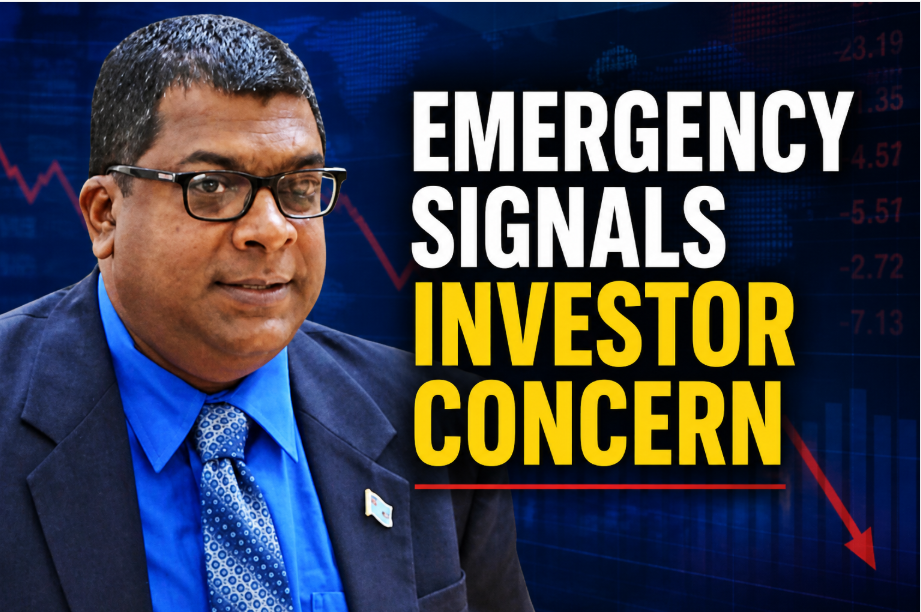
Former Minister and economist Dr. Mahendra Reddy has warned that declaring a State of Emergency (SOE) in Fiji could have far-reaching economic consequences, particularly for the country’s tourism-dependent economy.
Dr. Reddy said an SOE sends a strong signal both locally and internationally that the country is facing instability.
“A State of Emergency carries consequences far beyond security operations. It sends a powerful signal… that the country is facing exceptional instability,” he said.
He cautioned that even if Government has internal justifications, global perception would matter significantly for a small, open economy like Fiji.
“Regardless of the Government’s internal justification, the international perception will be that Fiji is confronting a significant breakdown in public order.”
Dr. Reddy highlighted tourism as one of the most vulnerable sectors, noting its wide reach across the economy.
“Fiji’s tourism industry remains one of the principal pillars of the national economy… supporting hotel workers, transport providers, farmers, fishermen, artisans and small businesses,” he said.
He warned that an SOE would likely trigger travel advisories from key source markets.
“A State of Emergency would almost certainly trigger travel advisories… Even precautionary advisories… can materially reduce tourist arrivals.”
According to Dr. Reddy, the economic fallout would be immediate.
“Reduced visitor arrivals would depress occupancy rates, reduce tourism receipts, and constrain business cash flows,” he said.
He added that the impact would be felt most by lower- and middle-income workers in service sectors who are least able to absorb shocks.
At a broader level, Dr. Reddy said declining tourism earnings could weaken Fiji’s foreign exchange position.
“A contraction in tourism earnings would weaken Fiji’s foreign exchange inflows, placing downward pressure on foreign reserves.”
He also warned of potential pressure on the balance of payments and exchange rate stability, given Fiji’s reliance on tourism.
“Any sustained decline in visitor receipts would increase pressure on the balance of payments,” he said.
Dr. Reddy added that investor confidence could also be affected.
“Foreign investors may interpret emergency declarations as signals of political or institutional fragility.”
He said careful consideration was needed before any decision, given the potential economic ripple effects across the country.

