THE melting snow caps of distant mountain ranges carry a terrifying reality for low-lying island communities of the South Pacific.
This stark connection formed the core of Fiji’s passionate rally at the Ocean Pavilion during the COP31 climate negotiations in Antalya, Türkiye, where Pacific nations gathered under one banner to demand immediate global action, stricter emissions targets, and direct financial relief.
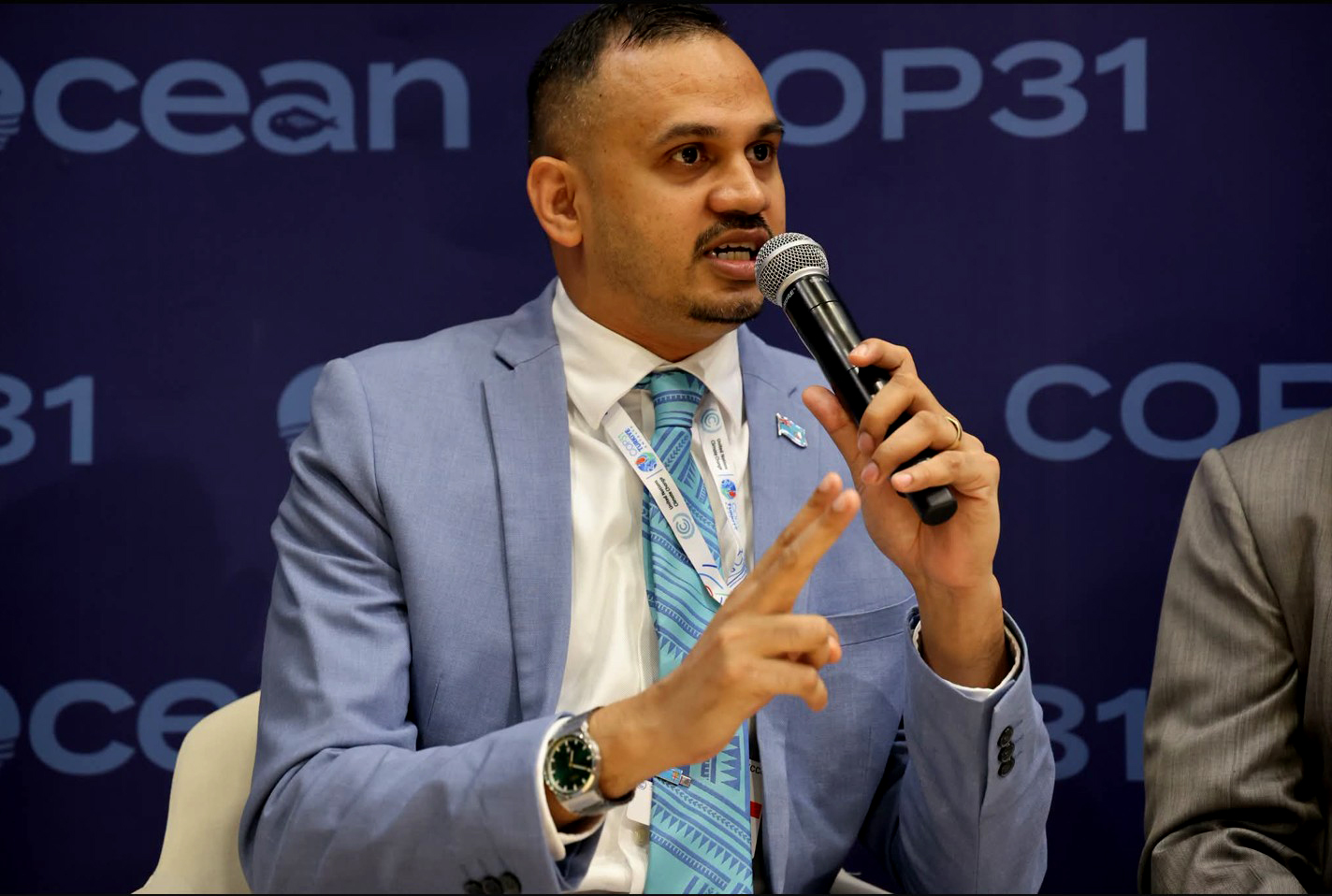
Speaking at the “From glacier to ocean” side event, Environment and Climate Change Ministry permanent secretary Dr Sivendra Michael reminded global representatives that coastal vulnerability is not an abstract environmental threat but an immediate crisis of survival.
“What melts in the mountains rises on our shores,” Dr Michael said.
He said that rising sea levels were not just an environmental concern for the Pacific. While reaffirming Fiji’s unwavering stance on keeping global warming strictly within 1.5°C, Dr Michael also raised concerns about current climate funding structures that force vulnerable regions into further debt.
“Countries should not have to borrow to recover from a crisis they did not cause,” he said.
Dr Michael then called for greater access to climate finance through grants rather than loans, with simpler processes that allow vulnerable communities to receive support when they need it most. He pledged that Fiji would push to keep oceans central to global climate negotiations, ensuring the voices and lived realities of Pacific communities are reflected in decisions made at COP31.
This plea followed a critical coordination meeting convened by Fiji in its capacity as chair of the Pacific Small Island Developing States (PSIDS) to strengthen common negotiating positions. As the chair of PSIDS, Dr Michael said unity was the Pacific’s strength.
“While our nations may be small, our collective voice carries the hopes of communities fighting to protect their homes, livelihoods and future from climate change.”