
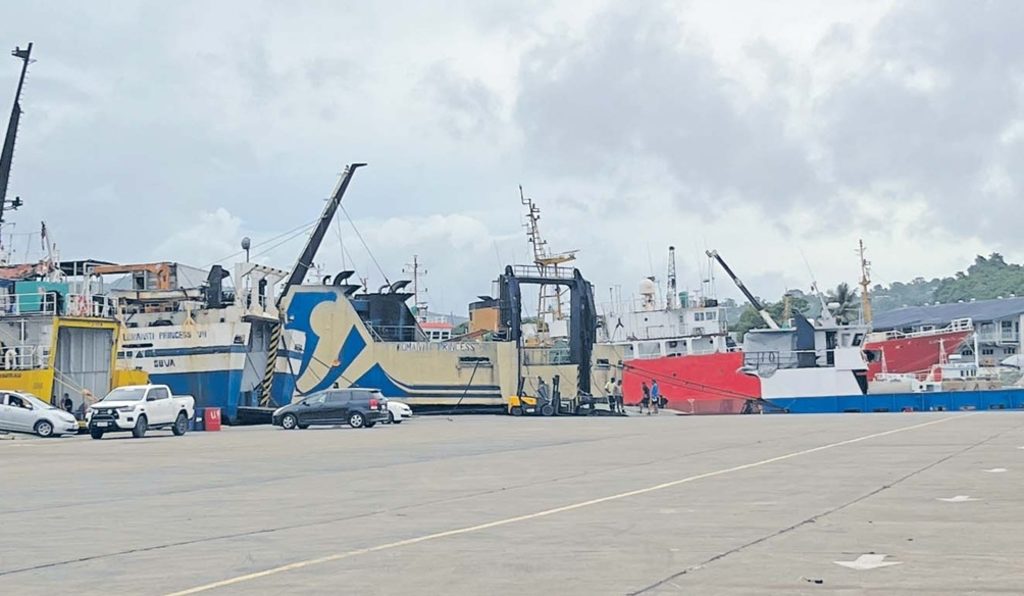
The recent military strikes involving Iran and the United States have sent shockwaves through global shipping, highlighting how conflicts far from Fiji can have real consequences for the nation’s economy and maritime supply chain.
According to The Maritime Executive, the disruption in the Strait of Hormuz is a reminder that maritime risk extends well beyond vessel movements, war risk premiums, sanctions and global trade.
Behind every decision to reroute ships, delay voyages or adjust operations are people forced to make critical decisions in an increasingly uncertain environment.
For Fiji, those risks are far from theoretical.
Earlier this year, the country experienced fuel supply disruptions that drove up the cost of transport and contributed to higher prices for goods and services, particularly in the maritime sector.
In March, Goundar Shipping Ltd revealed it had completed three voyages to the Lau Group and Rotuma within two weeks but repeatedly encountered difficulties when fuel suppliers refused to release fuel for customers along those routes.
Communities in the outer islands, including Taveuni, were not spared. Delay in the delivery of essential goods and fuel, places additional pressure on businesses and households already grappling with rising living costs.
The Maritime Executive notes that one of the most overlooked aspects of maritime risk is its human dimension.
The website reports, that out at sea, human dimension is often overlooked. It is also where many of the most significant maritime risks originate. Marine insurance is traditionally associated with the aftermath of an incident.
A collision occurs, cargo is damaged, a crew member is injured, and insurers respond. While that remains a core function of the industry, it tells only part of the story.
Increasingly, insurers are devoting as much attention to preventing losses as they are to managing them.
The report said one misconception emerging during the Strait of Hormuz crisis is the suggestion that shipping activity slowed because insurance was unavailable.
In reality, capacity largely remained in place, albeit at a cost reflecting the changing risk environment. The more fundamental question facing shipowners and operators is whether the risk to vessels and crews justifies proceeding at all.
That distinction is important. Insurance can help organisations manage financial consequences. It cannot eliminate operational risk, nor can it replace the judgement of masters and operators faced with uncertain conditions.
Decisions about whether to enter a region, alter a route or delay a voyage ultimately depend on an assessment of risk that extends far beyond insurance considerations.
The maritime industry will always need insurers to respond when things go wrong. But some of the most valuable work now takes place before an incident occurs. The goal is not simply to pay claims efficiently. It is to help ensure fewer claims need to be made in the first place.

