ON Monday, May 18, Fiji joined the global maritime community in celebrating the International Day for Women in Maritime — a day dedicated to recognising, appreciating, and promoting the important contribution of women across the maritime sector.
With the theme “From policy to practice: Advancing gender equality for maritime excellence, the occasion recognised the invaluable contributions of women across the maritime industry while reinforcing the need to transform commitments into meaningful action.
For Fiji Ports Corporation Limited, gender equality is not simply a policy objective – it is a strategic priority that strengthens operational excellence, innovation, and sustainable growth across Fiji’s maritime sector.
“As the nation’s gateway to international trade and maritime connectivity, Fiji Ports acknowledges that a resilient and future-ready industry depends on inclusive participation at every level,” FPCL said in a statement.
“From port operations and marine services to engineering, logistics, administration, leadership, and technical roles, women continue to make significant contributions that shape the success of Fiji’s ports and maritime services.”
Historically, the maritime industry has been perceived as male-dominated.
However, across the Pacific and globally, women are increasingly stepping into leadership and specialised positions, demonstrating professionalism, expertise, and resilience in an evolving sector.
Fiji Ports is proud to support this transformation by fostering workplaces where women are empowered to thrive and advance.
“Over recent years, FPCL has strengthened initiatives aimed at promoting equal opportunity, professional development, workplace safety, and inclusive leadership,” FPCL said.
“These efforts include supporting women in technical and operational roles, encouraging leadership development, and creating pathways for career progression across all departments.”
Importantly, moving “from policy to practice” means ensuring that inclusion is reflected not only in organisational frameworks, but also in everyday workplace culture.
It means providing equitable access to training, mentorship, and decision-making opportunities while actively challenging barriers that may limit participation.
Young women entering the workforce today have unprecedented opportunities to contribute to a dynamic and globally connected industry.
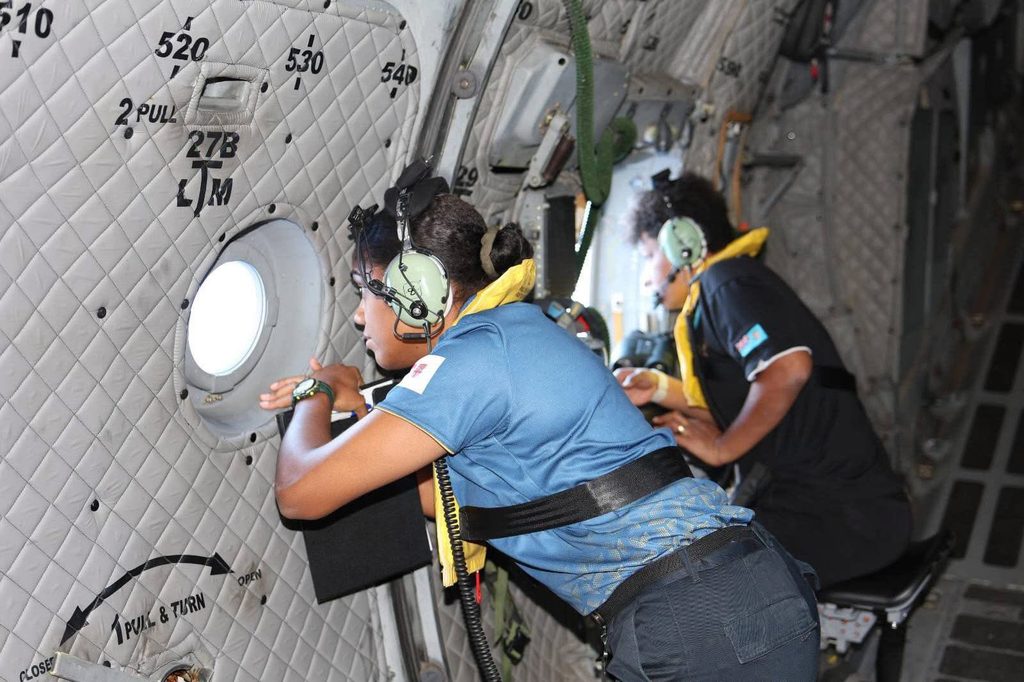
For the Republic of Fiji Navy, the day was an opportunity to acknowledge the growing role of women who continue to serve with professionalism, commitment, and distinction across various areas of naval service.
Women in the Navy are no longer confined to traditional roles. They are now actively contributing in key operational and technical fields including engineering, communications, training, hydrography, cartography, administration, logistics, and maritime operations.
“Their presence and contribution strengthen the Navy’s ability to deliver on its core responsibilities in maritime safety, maritime security, search and rescue coordination, hydrographic services, and national service.
Whether serving at sea, supporting operations ashore, maintaining critical systems, producing nautical charts, training future sailors, or enabling communications, women continue to play an essential role in sustaining the Navy’s mission,” Fiji Navy said.
“The Republic of Fiji Navy also recognises that empowering women in maritime is not only about representation, but about building a more capable, professional, and resilient organisation.
Diversity of skills, perspectives, and leadership strengthens the Navy and contributes to a stronger maritime nation.”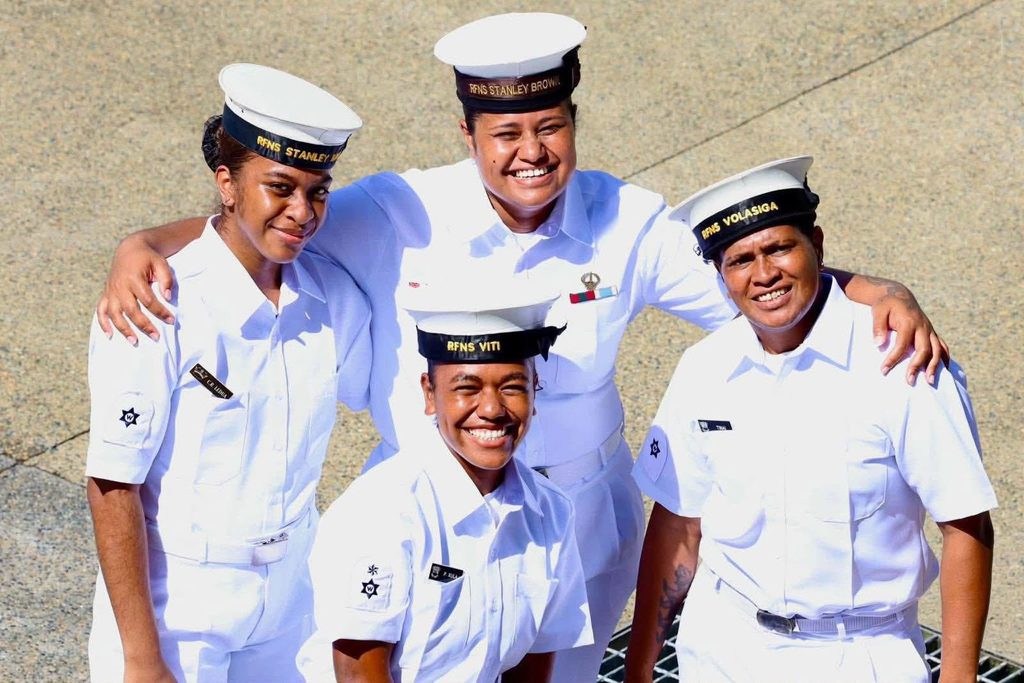
Women naval officers celebrate on International Day for Women in Maritime. Picture: FIJI NAVY
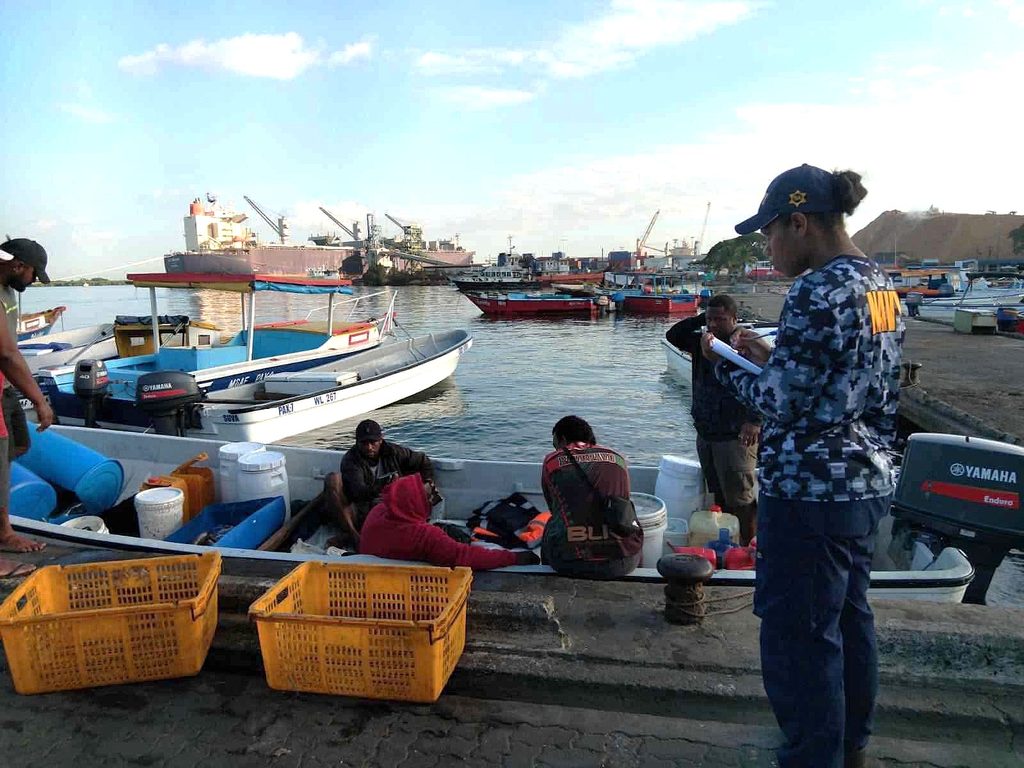
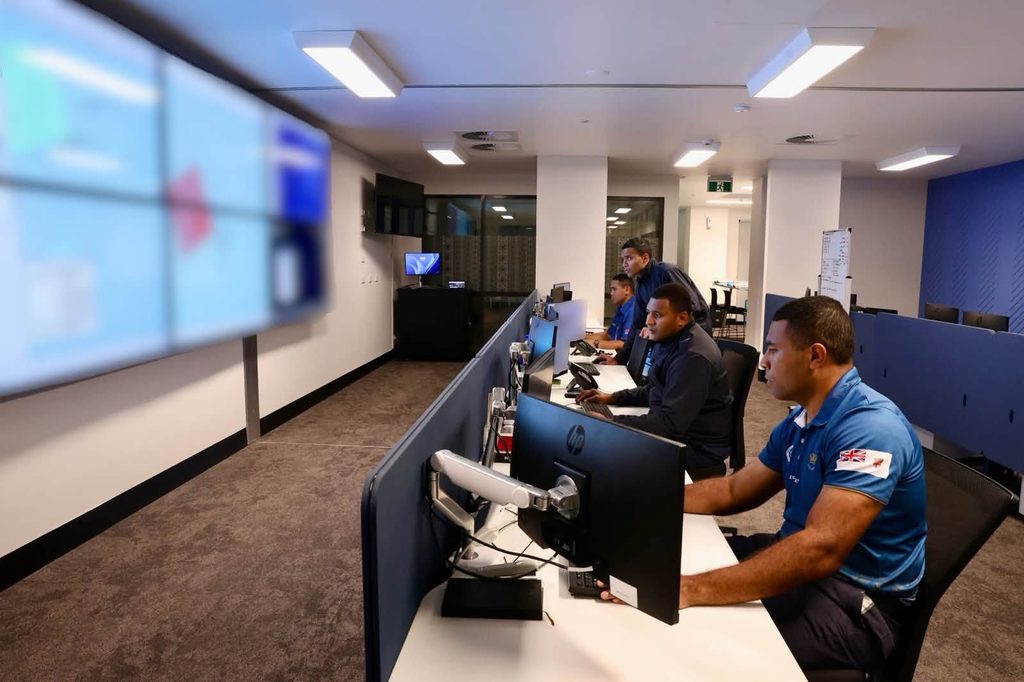
A female naval officer at work. Picture: FIJI NAVY