
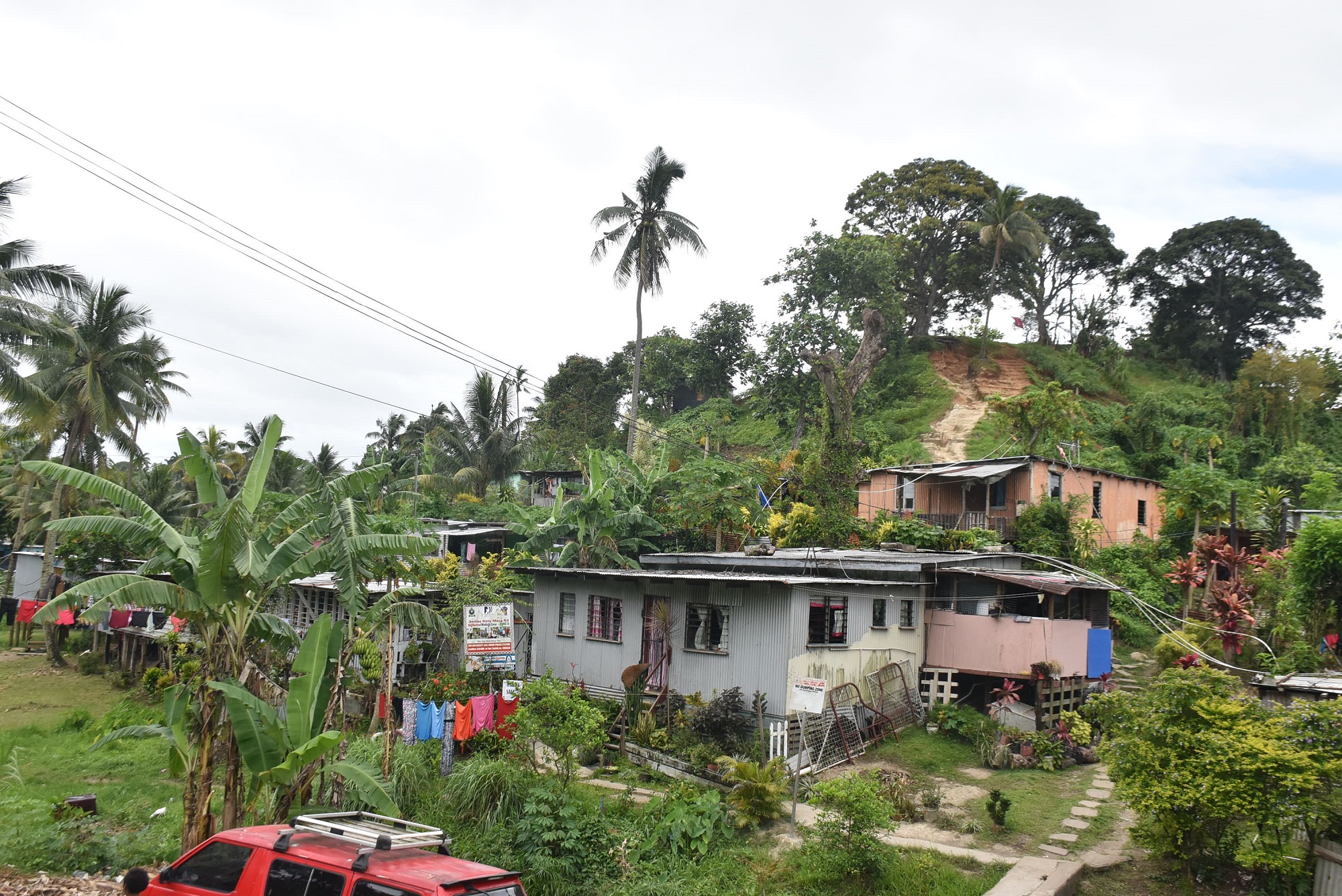
The fragile nature of housing makes informal settlements vulnerable to storms and flooding — and this is likely to worsen with the increase in extreme weather events.
This, according to the ‘Building Peace and Security in Suva’s Climate Affected Informal Settlements’ report that was compiled by the Pacific Centre for Peacebuilding and launched on December 1.
The purpose of the research is to understand how climate change is impacting upon growth, experiences and living standards of people living in informal settlements.
Communities that were identified in this research were Nanuku settlement in Vatuwaqa, Qauia settlement in Lami and Maravu and Laucala informal settlement, all located on the outskirts of Suva.
Pacific Centre for Peacebuilding executive director Florence Swamy said the research also showed a potential inclusion gap in that settlements had not been slated for relocation and were at a risk of being overlooked because of their legal status.
“This research is only the first step in starting to understand the complex challenges posed by climate change for informal settlements and government officials, highlighting the need for further engagements, research and trust building in this space,” she said.
“The research identified, amongst other things, the different climatic vulnerabilities in the settlements that the legal status of the communities adds to uncertainty and exacerbates the challenges faced by the residents in accessing infrastructure and services.”
The report stated the impact of Tropical Cyclone Winston in 2016 had led to long-term dislocation and subsequent relocation to informal settlements for some families.
“Climate change is having an impact on informal settlements directly, negatively affecting people’s wellbeing, economic and food security.
“Informal settlements are often situated in climate vulnerable locations, which results in a range of environmental and health issues.
“Changes in weather patterns are also affecting subsistence livelihood strategies in the settlements.”
The report concludes by outlining some opportunities for the Fiji Government and other stakeholders to ensure that in future engagement with the informal settlements, the processes and outcomes are based on human rights, dignity, mutual understanding, respect and do not lead to conflicts or harm.

