
Limiting global warming to 1.5°C is a matter of survival!
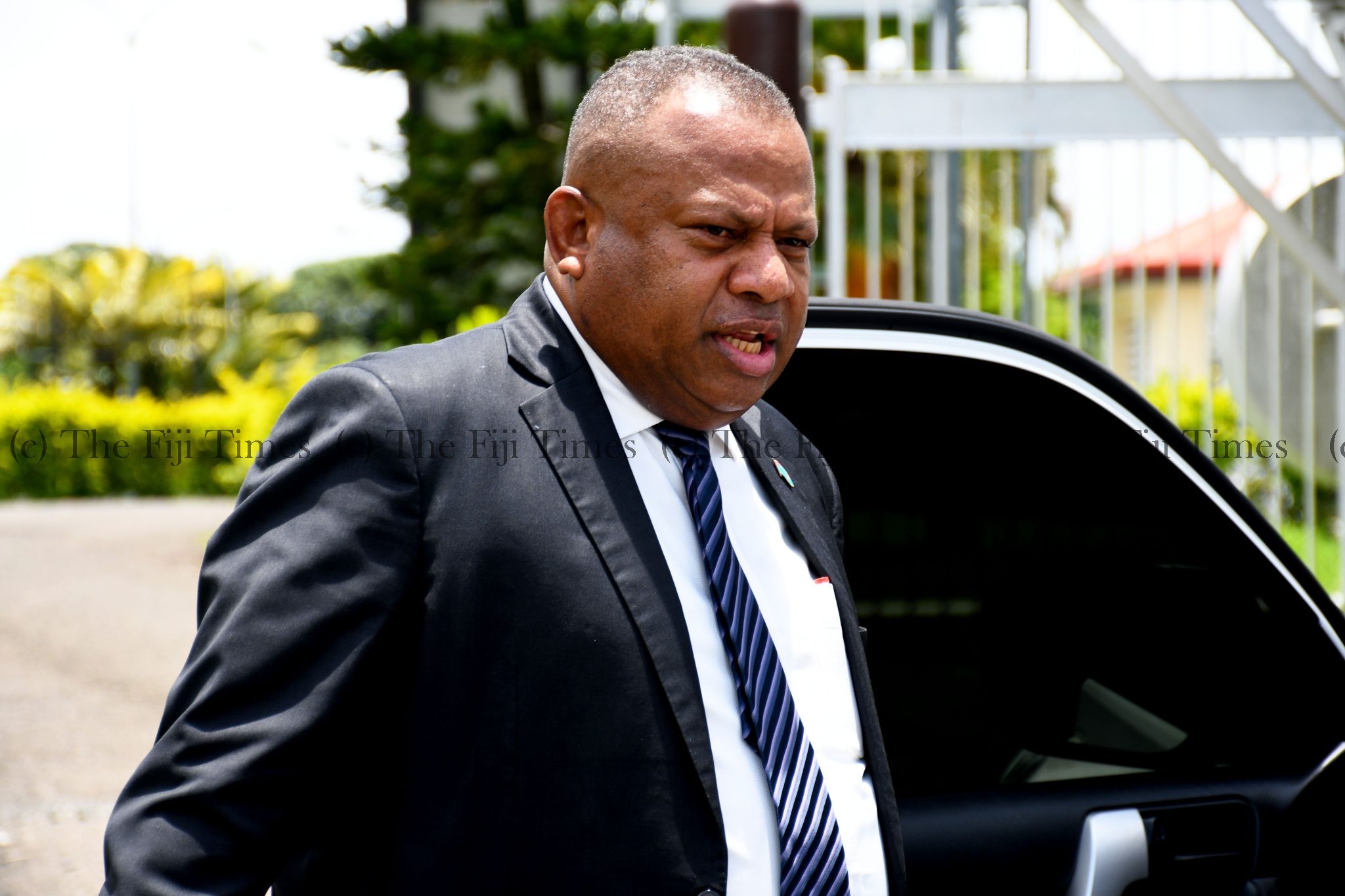
Leader of the Opposition, Inia Seruiratu, who arrived at COP30 in Belem, Brazil, highlighted the urgency of stronger adaptation support and climate finance at COP30.
Mr Seruiratu said for small island developing states, the 1.5°C target was not just a number, but a critical measure tied directly to their right to life.
“For us, 1.5 is about our right to life, and 1.5 is about our survival,” he said.
“And while these nations are on the frontlines of climate impacts, they also contribute to mitigation efforts.”
Mr Seruiratu traced the origins of the 1.5°C goal to COP21 in Paris, where Pacific island countries advocated for the threshold, which was later enshrined in Article 2 of the Paris Agreement.
“The compromise was to pick 2 degrees and then work towards 1.5, and that is why 1.5 and the adaptation issue and resilience are so important for small island developing states.”
Beyond temperature targets, Mr Seruiratu outlined resilience and adaptation as a second major priority.
He noted the financial shortfalls faced by vulnerable countries in addressing climate impacts, citing an estimated adaptation financing gap of $215billion to $317b as of 2024.
“And I’m calling on developed nations to step up support.”
He pointed to the additional priorities recently highlighted by the Environment and Climate Change Minister, Mosese Bulitavu, calling for the ongoing need for global cooperation to safeguard the Pacific’s future.
Mr Seruiratu also attended the State Parliament, which brought together parliamentarians to discuss several key issues.
“The first session focused on governance, exploring ways in which legislative bodies can strengthen transparency, accountability, and effective policy-making.
“The second session highlighted adaptation and resilience, emphasising the crucial role parliaments play in addressing climate change and preparing communities for its impacts.
“The third session centred on methane emissions, with participants examining how parliamentary action can drive reductions and support sustainable practices.
“The final session focused on gender and health, underlining the importance of inclusive policies that promote equitable access to healthcare and address gender-specific challenges.”
He said the four sessions provided a comprehensive platform for parliamentarians to engage with pressing issues affecting both society and the environment.

