
In Fiji’s western corridor — where sugarcane fields stretch across Ba, Lautoka, and Nadi — a quieter crisis is unfolding behind the region’s economic activity. While the sugar industry continues to sustain livelihoods, another force is steadily eroding the health of communities: diabetes, and its growing toll on vision.
Health professionals are raising concerns that Fiji may be heading toward a preventable blindness crisis if urgent steps are not taken to address diabetic eye disease. Often referred to as a “silent thief of sight,” diabetic retinopathy develops gradually, showing few warning signs until significant damage has already occurred.
A growing health emergency
Diabetes is now one of the most pressing public health challenges in Fiji. Clinics across the Western Division report increasing numbers of patients — not only older adults, but also younger individuals — being diagnosed with the condition.
What alarms doctors most is not just the number of cases, but how late many patients present. By the time they seek medical attention, complications such as vision impairment, kidney disease, or nerve damage are often already underway.
Many people don’t experience symptoms in the early stages; thus, they don’t come in until their vision starts to blur. By then, we are dealing with damage that could have been prevented.
The link between diabetes and blindness
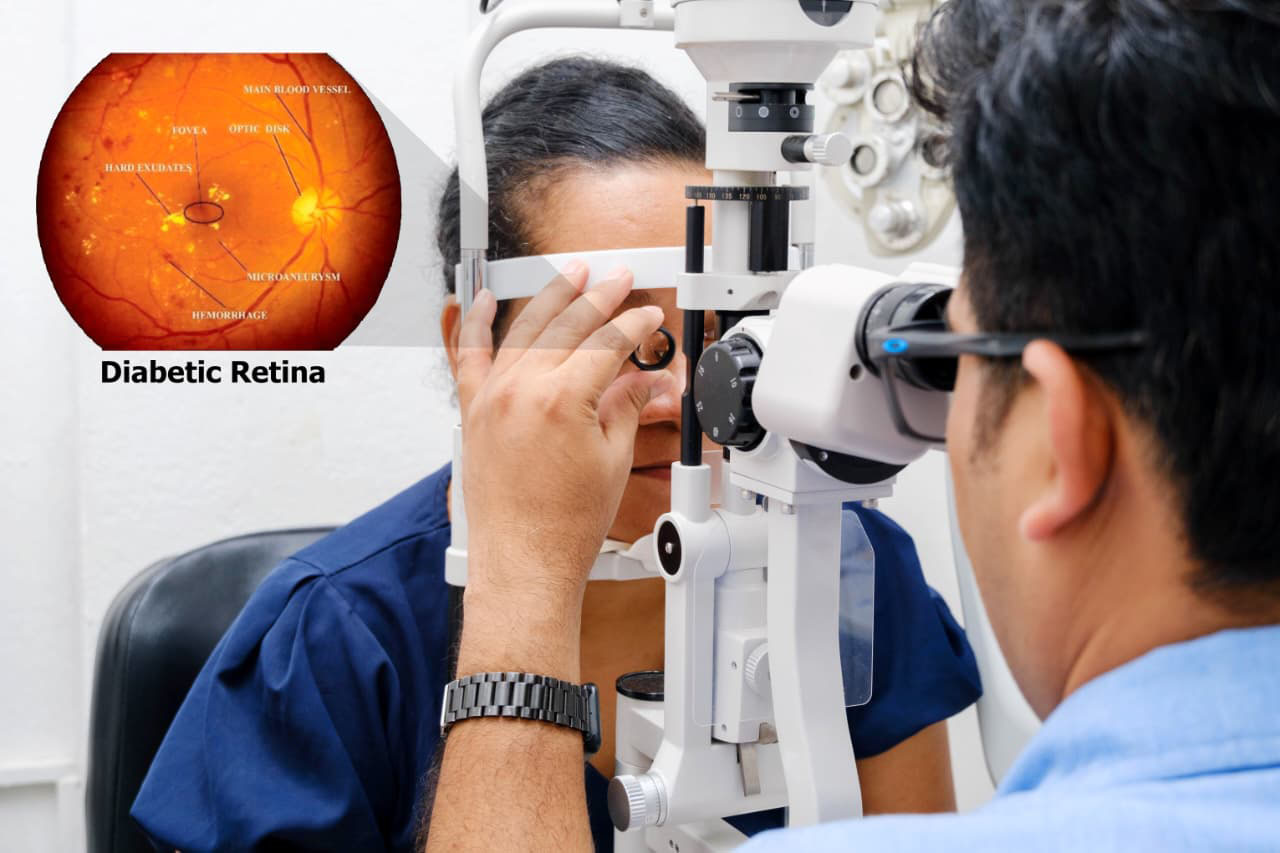
When diabetes is not properly managed, high blood sugar levels damage the small blood vessels in the retina — the part of the eye responsible for capturing images. Over time, this can lead to bleeding, swelling, and ultimately permanent vision loss.
The tragedy, experts emphasise, is that most diabetes-related blindness is avoidable.
Routine eye screening can detect early changes long before vision is affected. Treatments such as laser therapy or medication can slow or even stop disease progression. Yet many Fijians with diabetes do not undergo regular eye checks.
Why the Sugar Belt is vulnerable?
The Western Division — often called Fiji’s “Sugar Belt” — faces a unique set of risk factors. Dietary patterns, limited access to specialised healthcare in some areas, and busy working lifestyles all contribute to delayed diagnosis and inconsistent disease management.
Economic pressures also play a role. For many families, regular medical visits are seen as a lower priority compared to daily expenses. As a result, preventive care is often postponed until symptoms interfere with daily life.
Community leaders say awareness remains a major barrier. While most people have heard of diabetes, fewer understand its long-term complications — especially those affecting the eyes.
Efforts to turn the tide
Across Fiji, healthcare providers and organisations are stepping up efforts to address the crisis. Outreach programs, mobile clinics, and awareness campaigns are being rolled out to encourage early testing and routine eye examinations.
Some clinics in the West are now integrating eye screening into general diabetes care, making it easier for patients to receive comprehensive services in one visit. There is also growing interest in telemedicine solutions that allow retinal images to be assessed remotely by specialists.
Public health messaging is increasingly focused on prevention — promoting healthier diets, regular exercise, and routine health checks.
A race against time
It’s important to look beyond the clinical setting to understand why Fijians put off getting eye care. A 2022 study looking at difficulties in managing diabetic retinopathy found a number of significant obstacles that Fijian patients must overcome.
Poverty comes first. The top priority is poverty. Transportation expenses to medical facilities become unaffordable for families who cannot afford wholesome food. Long wait times at crowded clinics are a source of frustration for elderly patients who travel great distances — often alone.
Additionally, there is a pervasive problem with trust. Without presenting identification cards, some patients refuse to acknowledge the services provided by medical professionals. Sometimes outreach screenings that are planned in settlements are abruptly cancelled, which undermines trust in the system.
Most importantly, there’s still a common misperception that diabetes only affects limbs. Your eyes, kidneys, skin, nervous system, and many other organs are all impacted by diabetes if your blood sugar levels rise.
The rate of the diabetes epidemic continues to put the healthcare system under pressure despite all necessary efforts. As medical professionals, we caution that in the upcoming years, the number of cases of diabetes-related blindness may increase significantly in the absence of broad behavioural change and increased screening coverage.
The consequences extend beyond individual health. Vision loss affects a person’s ability to work, care for family, and participate fully in community life. It also places additional strain on caregivers and public health resources.
The path forward
Preventing a blindness crisis in Fiji’s sugar belt will require coordinated action at every level—from government policy to community engagement.
Doctors stress three simple but critical steps:
Get tested for diabetes regularly;
Maintain good control of blood sugar levels; and
Have an eye examination at least once a year.
These measures, while straightforward, can mean the difference between preserving sight and losing it.
A shared responsibility
As Fiji continues to navigate the challenges of non-communicable diseases, the fight against diabetes-related blindness stands as both a warning and an opportunity.
The tools to prevent vision loss already exist. The challenge now lies in ensuring they reach every community, every household, and every individual at risk.
In the heart of the sugar belt, saving sight may well depend on how quickly awareness turns into action.
Bikash Gyawali is consultant optometrist and public health expertise, Asgar & Company, Suva

