
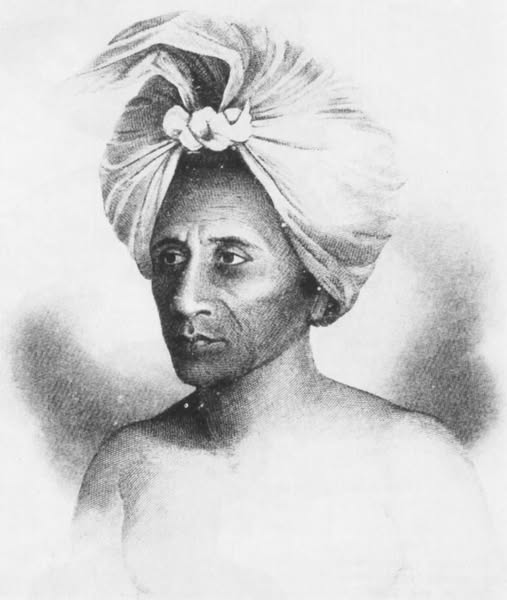
THE late Rewa chief Ro Veidovi was born in 1802, died in 1842 and his body was kept at the Smith Sonian Institution in Washignton DC, America.
In explaining the life and history of Ro Veidovi, Military Commander Ro Jone Kalouniwai said he was the son of Roko Tabaiwalu, who was also a chief of Rewa.
Ro Jone explained that Roko Tabaiwalu had seven children and was married to a woman from Tavuki, Kadavu but they don’t know her name.
In accepting the remains of Ro Veidovi on behalf of the Marama Roko Tui Dreketi, Ro Jone described the event as a moving and emotional one because their chief and a son of Rewa has returned home.
According to historical accounts, Ro Veidovi was the younger brother of the Roko Tui Dreketi in the 1900s and was wanted for the death of several American beche-de-mer traders who were killed on Ono Island, Kadavu in 1834.
In 1840, the American ship, Peacock, was in Rewa waters, when William Hudson received a message from the commanding officer of the United States Exploring Expedition in the Pacific, Lieutenant Charles Wilkes (on Vincennes) to arrest Ro Veidovi.
According to one historical account, Patrick Connell, an Irish beachcomber who had settled on Viti Levu, was the person who dobbed Ro Veidovi in. Connell told Wilkes the Rewa chief was involved in a “treacherous incident” in 1834.
That year, American merchant ship Charles Doggett had hired some islanders, including Ro Veidovi, to help in the harvesting and curing of beche-de-mer on Kadavu.
During the enterprising trip, a rumour began circulating among the Fijians that the ship contained items of value. In an attempt to seize the ship and get the coveted “valuable objects” Ro Veidovi, with the help of accomplices, killed 10 people on Ono.
Eight of them were Americans. He met his punishment when the US naval expedition arrived in Fiji in 1840, under the command of Wilkes.
Hudson was surprised by Wilkes’ orders for Ro Veidovi’s arrest. The chief had also helped the Americans many times during their expedition up the Rewa River.

