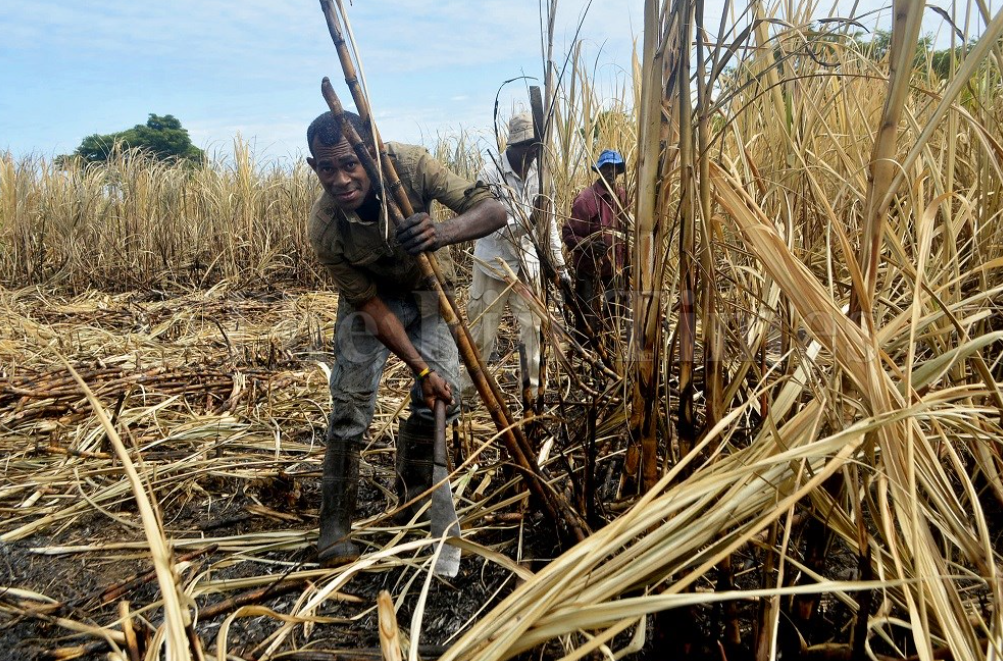
The Fiji Sugar Corporation (FSC) has raised serious concerns over the increasing proportion of burnt cane being crushed at its three mills, warning that poor sugar quality could result in price penalties, rejection by refiners and reduced export earnings.
The 2026 crushing season recorded a national average of 62.3 per cent burnt cane, compared with 54.4 per cent in 2025 and 55.3 per cent in 2024.
FSC said the three-year comparison highlighted a particularly concerning trend at the Lautoka and Rarawai mills.
Lautoka recorded the highest proportion of burnt cane this year at 82.9 per cent, up from 66.2 per cent in 2025 and 57.6 per cent in 2024.
At Rarawai, burnt cane increased to 70.9 per cent this year, compared with 48.7 per cent last year and 64.3 per cent in 2024.
Labasa, however, recorded an improvement, with burnt cane declining from 45.4 per cent last year to 42.7 per cent this year.
FSC said weekly performance figures further demonstrated the extent of the problem, with the proportion of burnt cane generally increasing as the crushing season progressed.
At Lautoka, burnt cane increased from 60.8 per cent in the first recorded week to 98.5 per cent in the final week.
Rarawai recorded a peak of 99 per cent, while Labasa reached 95.4 per cent.
“The abnormally high percentage of burnt cane impacts sugar quality with increased dextran levels and sugar colour,” FSC said in a statement.
“High dextran affects filtration and crystallisation during refining, while excessive colour increases refining costs.”
The corporation warned that failure to meet contractual quality specifications could have significant financial consequences for the industry.
“Failure to meet contractual specifications for specified quality parameters will likely result in price penalties, rejection by refiners or diversion to lower-priced markets, directly reducing sugar sales revenue and export market competitiveness.”
Burnt cane comparison (2024–2026)
| Mill | 2024 | 2025 | 2026 |
|---|---|---|---|
| Lautoka | 57.6% | 66.2% | 82.9% |
| Rarawai | 64.3% | 48.7% | 70.9% |
| Labasa | 44.1% | 45.4% | 42.7% |
| National average | 55.3% | 54.4% | 62.3% |