
Although he could not provide the exact amount of difference in production as a report is yet to be released, Mr Sharma said the weather contributed to the low production.“Rice was grown in this season but not according to expectation and we believe the flooding in February and March contributed to the low production,” he said.
“We also believe farmers over relied on mechanisation and this delayed harvesting which also resulted in the low production.
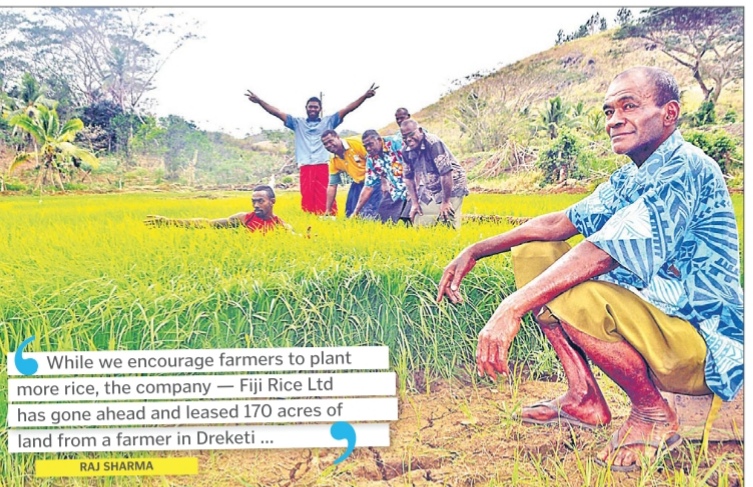
“While we encourage farmers to plant more rice, the company — Fiji Rice Ltd has gone ahead and leased 170 acres of land from a farmer in Dreketi.”
This, Mr Sharma said would ensure production remained sustainable as his team has its own farm to plant and harvest.
“We, subject to Government’s approval, also plan to purchase land from the same farmer or landowners for the sake of sustainable production,” he said.
“There has been a huge demand for brown rice in Viti Levu so we have gone into joint venture with landowners.
“We have started with landowning units in Tabia and Naividamu in Macuata and we expect 150 tonnes of rice from these two areas.
“One area will produce 75 tonnes of rice and this will help us maintain our high production in every season.”
Government has also secured four tractors as gift from the Japanese government.
Mr Sharma said the tractors would be used by rice farmers in their farms.
“We are looking at nominal cost for farmers to cultivate farms and Government will also subsidise cost so we’re looking at potential farmers who want to cultivate land for rice farming,” he said.
“Fiji Rice also have its own tractors and we have approved the purchase of a harvester at the cost of $45,000 to use with our farmers. These machines will be also used for joint venture initiatives.”

