
AUSTRALIAN constitutional lawyer Anne Twomey says challenging the validity of the 2013 Constitution is not a useful course to follow to make the Constitution more democratic and functional for amendments.
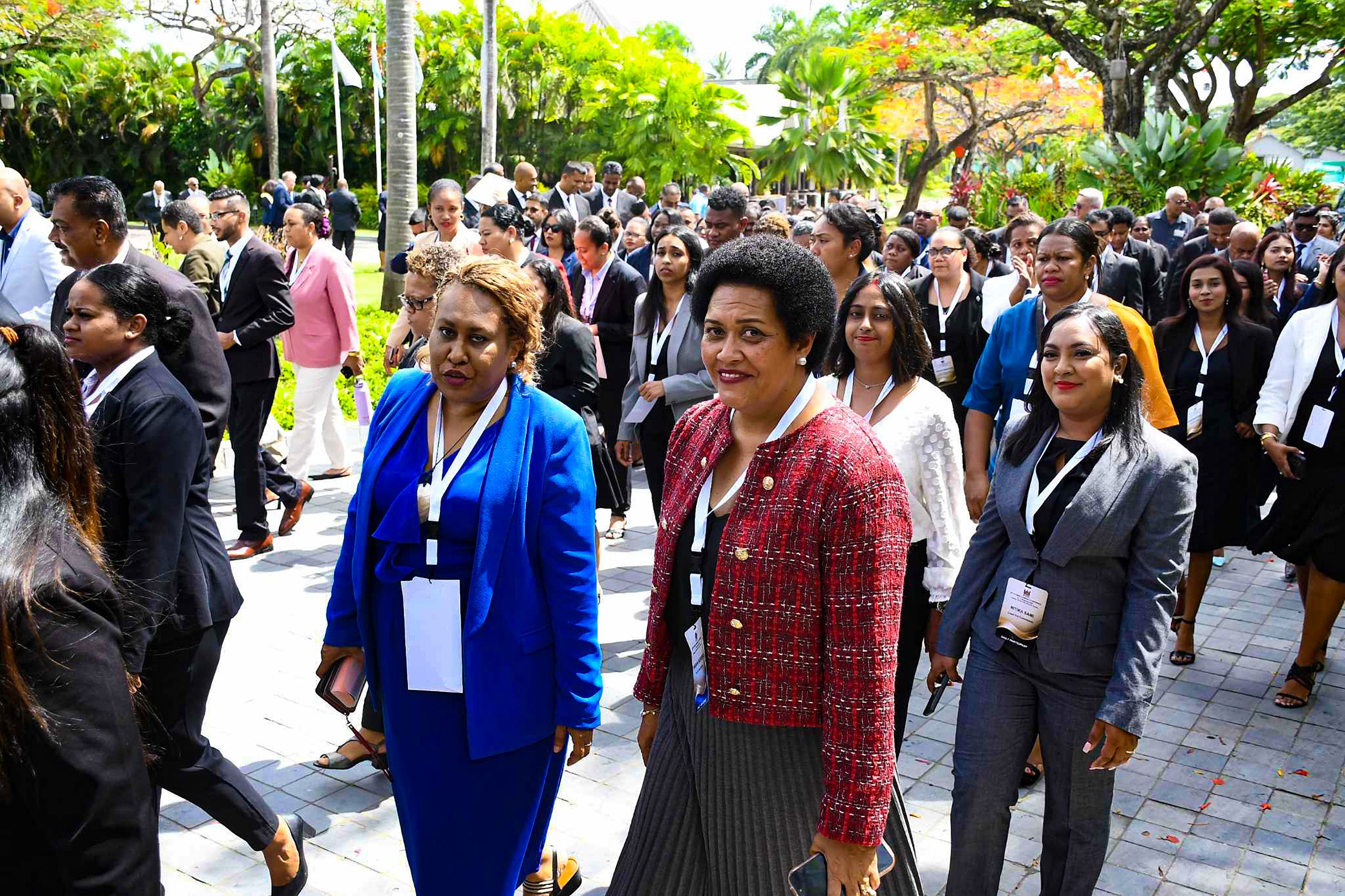
Speaking during the 26th Attorney-General’s Conference at the Sheraton Resort in Denarau, Nadi last week, Ms Twomey said a vulnerable point of attack was the process by which the 1997 revised constitution was revoked and the 2013 Constitution promulgated.
“Neither followed existing legal procedures, nor any democratically legitimate process,” Ms Twomey said.
“The Court of Appeal of Fiji previously held in 2001 that the 1997 revised constitution continued to apply, and had not been validly revoked at that stage, and the court continued to apply that constitution in litigation in 2009.
“Too much has already occurred under the 2013 Constitution such as holding elections, including the election of the current government, invalidating the 2013 Constitution and seeking to revert to the 1997 version which, therefore, potentially caused too many practical problems by invalidating laws and acts which had been relied upon in good faith.”
Referring to the 2001 Yabaki case, Ms Twomey said it was impossible to disregard and reverse what had already occurred, and to turn back the clock would create a legal and administrative nightmare, an unacceptable risk to the peace and welfare of the nation.
“Accepting that to be the case, however, does not mean that Fiji is stuck forever with an unamendable constitution.
“It could be argued, for instance, that section 160 of the 2013 Constitution is not a valid and effective manner and form provision as it is instead a purported abdication or renunciation of the power to alter the Constitution.
“While it’s appropriate in a democratic society to make the Constitution harder to amend than an ordinary law, it should not be made impossible to amend, as this illegitimately impedes the operation of the democratic system by imposing the will of a small group of people from the past over that of the people of today for whom the constitution is meant to serve.”

