A PROPOSAL to restore the phosphate-mined island of Banaba is seeking to turn decades of environmental damage into an opportunity for rehabilitation, sustainable development and the preservation of Banaban culture.
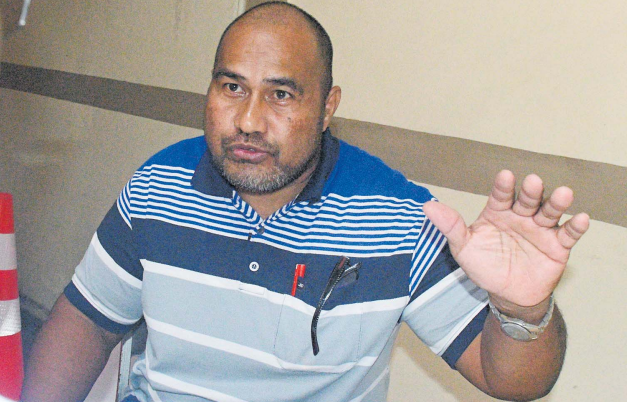
The Banaban Restoration and Development Program (BRDP), prepared by Banaban farmer originator and initiator Tingaia Ruata, outlines a long-term vision for the island in Kiribati, where extensive phosphate mining transformed the landscape and affected the Banaban people’s connection with their ancestral homeland.
Many Banabans were relocated to Rabi Island in Fiji, making the restoration of Banaba an issue that extends beyond the physical rehabilitation of damaged land to questions of identity, heritage, community participation and the future of generations to come.
In his proposal, Mr Ruata emphasises the importance of approaching restoration as a long-term process rather than a one-off development project.
“The program’s central message is that restoration should be understood as a continuing process, not a single construction project or a one-time economic opportunity,” Mr Rauta said.
The program proposes integrating environmental rehabilitation with agriculture, scientific research, renewable energy, water resources, tourism, cultural heritage, essential services and coastal conservation.
Its development framework identifies eight potential zones for investigation, including phosphate assessment and fertiliser production, agricultural activities, renewable energy, water and groundwater management, processing and exports, tourism and heritage, community settlement and essential services, and conservation and coastal protection.
However, the document makes clear that these are proposed areas for assessment rather than approved developments.
Mr Rauta says their suitability would depend on detailed mapping, scientific investigations, environmental assessments, consultation with landowners and the necessary legal approvals.
A central element of the proposal is the Banaban Science Wisdom Transformation Method (BSWTM), which would investigate whether selected materials and restoration techniques could help rehabilitate damaged land.
The proposal identifies possible materials for examination, including organic waste and other locally available resources.
Mr Rauta says their use would depend on independent laboratory testing, environmental and health safeguards, and evidence that they were suitable for the intended purpose.
The document also proposes a governance and coordination arrangement through a proposed Rabi Observers Organisation Scheme (ROOS), intended to support community participation and connect the program with technical specialists, potential investors and government authorities.
Cooperation between Fiji and Kiribati is identified as another important component, given the Banaban community’s connection with Rabi and the location of its ancestral homeland in Kiribati.
Mr Ruata’s proposal stresses that the program must be examined carefully and supported by evidence before implementation.
“The BRDP, therefore, invites constructive examination rather than asking readers to accept every proposal without scrutiny.”
The proposed implementation roadmap includes establishing community and legal foundations, gathering baseline information, conducting technical investigations, carrying out controlled trials and engaging the relevant government agencies.
Mr Rauta said any wider implementation would depend on community support, independent scientific findings, legal compliance, sufficient funding and demonstrated protection of people and the environment.
The document explicitly states that completing the proposed examination stages would not automatically mean the program had been approved.
Final authorisation would remain the responsibility of the relevant institutions and lawful processes.
If viable projects could eventually proceed, the program envisages opportunities for employment, skills development, local enterprise, improved services and stronger community participation, alongside environmental rehabilitation.
It also places importance on protecting Banaban history and cultural identity, ensuring that tourism and heritage activities would be developed respectfully and with community involvement.
Mr Rauta said the proposal’s ultimate ambition was to create a future in which restoration and economic activity support one another without causing further environmental harm.
“The ultimate purpose of the BRDP is to help create a future in which Banaba’s land and environment are responsibly rehabilitated, Banaban culture and identity are protected, communities have meaningful opportunities to participate in development, and future generations inherit a stronger foundation for their social and economic wellbeing.”
The program remains a proposal requiring further consultation, research, assessment and approval.
Its success would depend on whether the vision could be translated into practical, scientifically sound and community-supported action.
For Mr Ruata, the document presents a framework for examining how Banaba’s mining legacy might be addressed while placing the island’s people, environment and future at the centre of development planning.