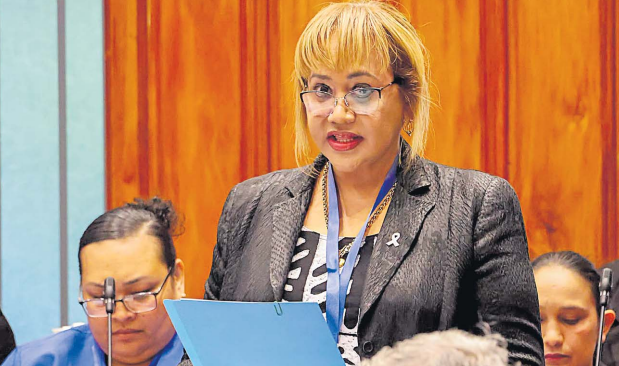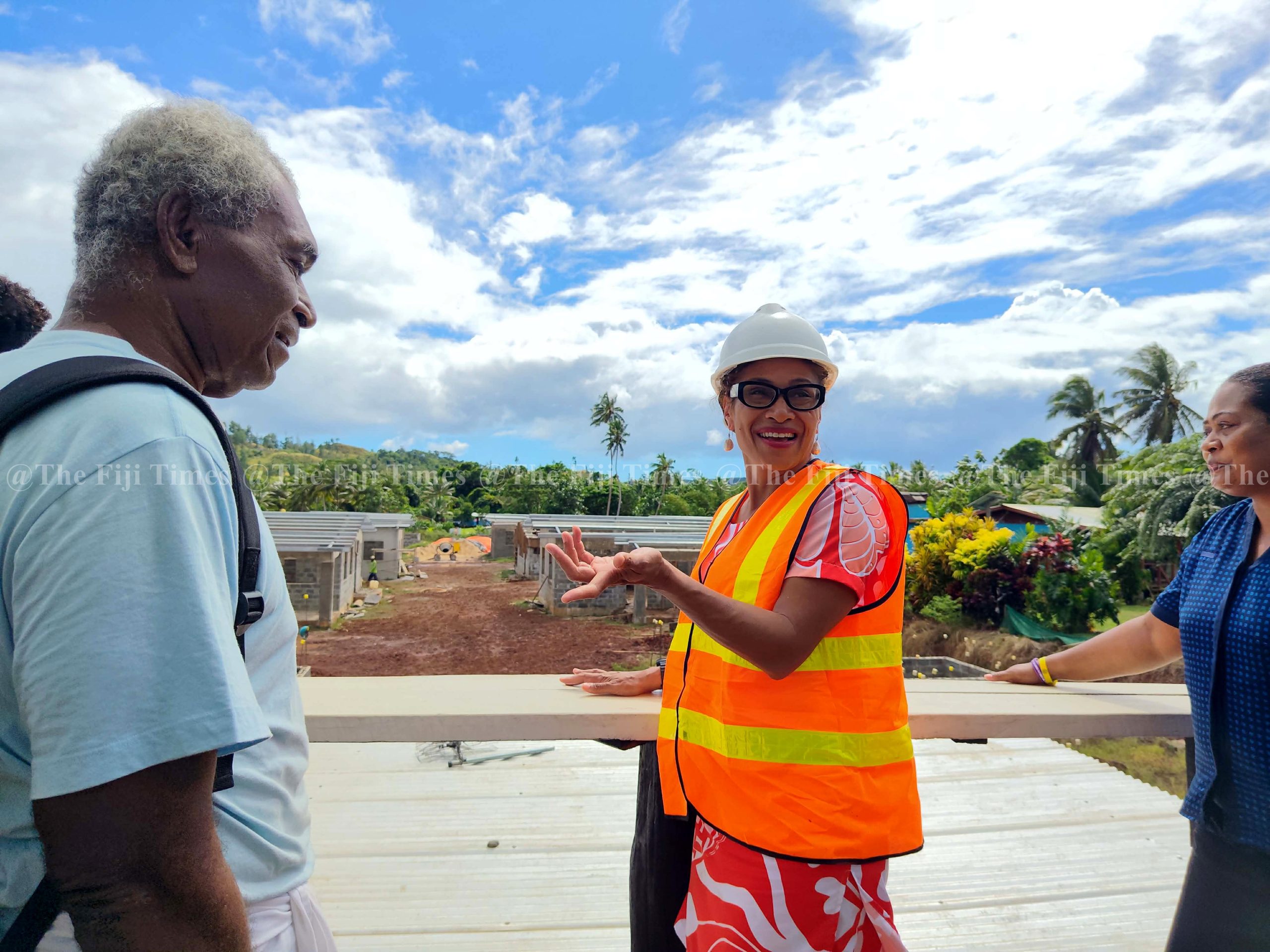
RELOCATION of communities affected by climate change is slow because it affects people’s land, culture, and identity, says Environment Minister Lynda Tabuya.
“Relocation is the absolute last resort, which is why it moves slowly,” she said.
Ms Tabuya said communities were deeply connected to their land and do not easily move.
“You do not want to move people from where they have originally stayed.”
Her comments came in response to questions regarding the five-year delay in relocating the residents of Nabavatu, who have been living in tents since their displacement.
She said land was not just physical space but part of identity and culture.
“It’s not just where they live, it’s part of their identity and culture.”
She said relocation also meant leaving ancestral land and traditional systems behind.
“You’re also displacing them from their own land.”
She said they first looked at other options, such as sea walls and climate adaptation, before considering relocation.
“Before you get to relocation, you look at mitigation measures.”
She said some Pacific nations were already exploring relocation options due to climate threats.