
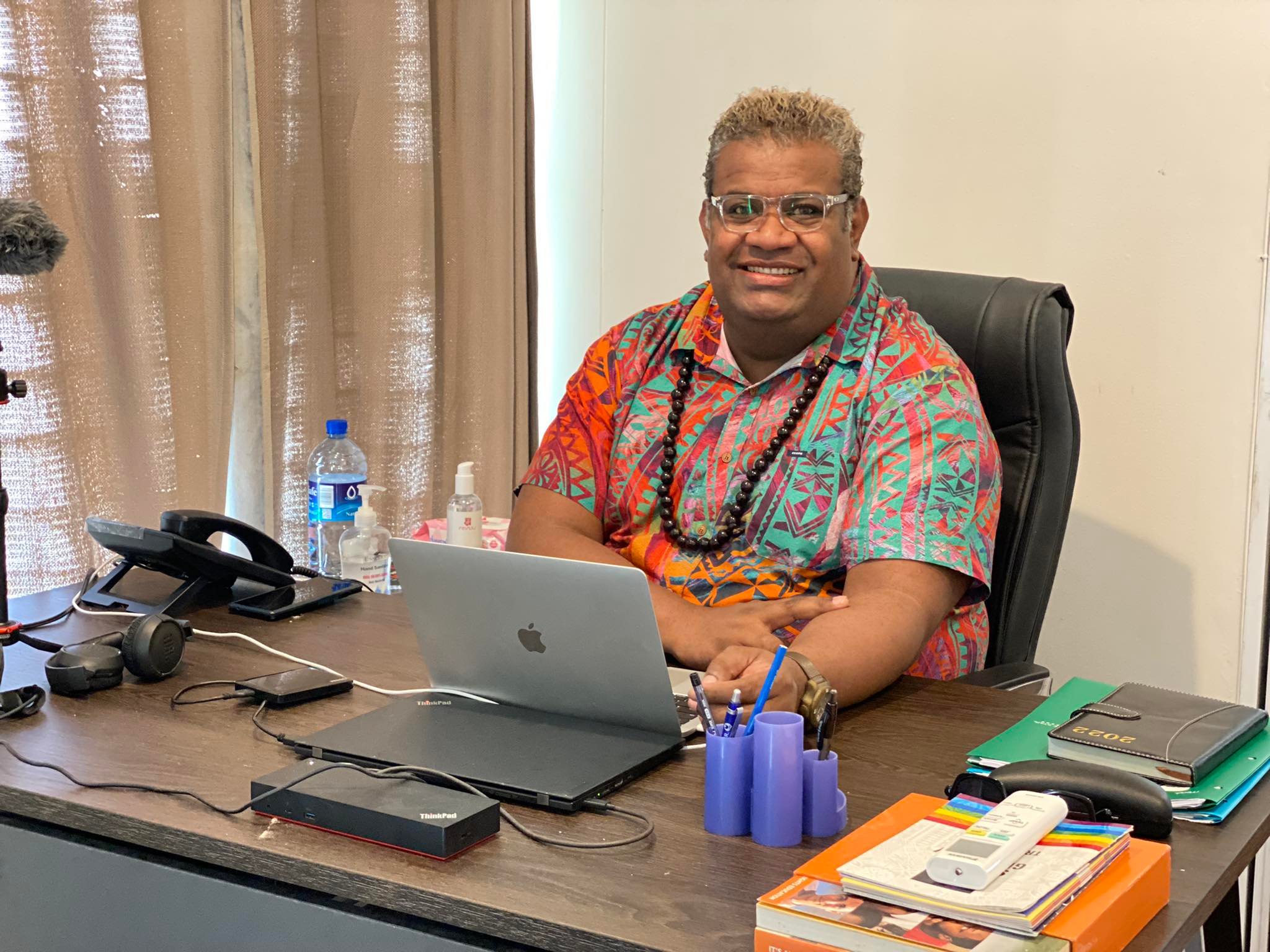
The Pacific Sexual and Gender Diversity Network (PSGDN) has trained its National Member Organizations (NMO) across the Pacific to increase their knowledge and strengthen capacities in developing effective strategies.
The nine half-day virtual training themed ‘Effective LGBTQI Rights Advocacy’ aimed to increase the knowledge and confidence of NMOs, and strengthen their capacities in developing effective LGBTQI rights advocacy strategies that focus on key issues that affect them.
Those issues include ending violence and discrimination against Pacific islanders of diverse sexual orientations, gender identities, and expressions and sex characteristics (PIDSOGIESC+).
PSGDN chief executive officer Isikeli Vulavou said the organisation recognised the need to increase and improve the advocacy capacity of NMOs who were at the forefront of fighting for their rights.
“This training provided queer advocates with all the necessary tools and guidelines that would equip them to advocate more effectively with different levels of society and the stakeholders that occupy and or influence these different spaces so that there is some positive change in behaviour, habits, policy, and legislation for PIDSOGIESC+,” Vulavou said.
The CEO said the training was an outcome of an identified need, allowing participants who were at the core of activism in the Pacific region through their respective organisations, to design effective and relevant advocacy strategies that tackle and eliminate the deeply ingrained homophobia at societal and institutional levels.
Participant Malone Wilson from Vanuatu’s V-Pride Organisation said the training would enable him to establish connections to influence change.
“I will be sure to use everything I learnt in the training in my advocacy work going forward, especially the tips on lobbying, s I think establishing a connection and exploiting that relationship with key stakeholders and/or influencers is one of the most effective ways to influence policy and legislative change,” Wilson said.
A total of 23 participants from Fiji, Kiribati, Tuvalu, Palau, Vanuatu, Tonga, Samoa and PNG attended the training, which was supported by UN Women through the Spotlight Initiative.

