
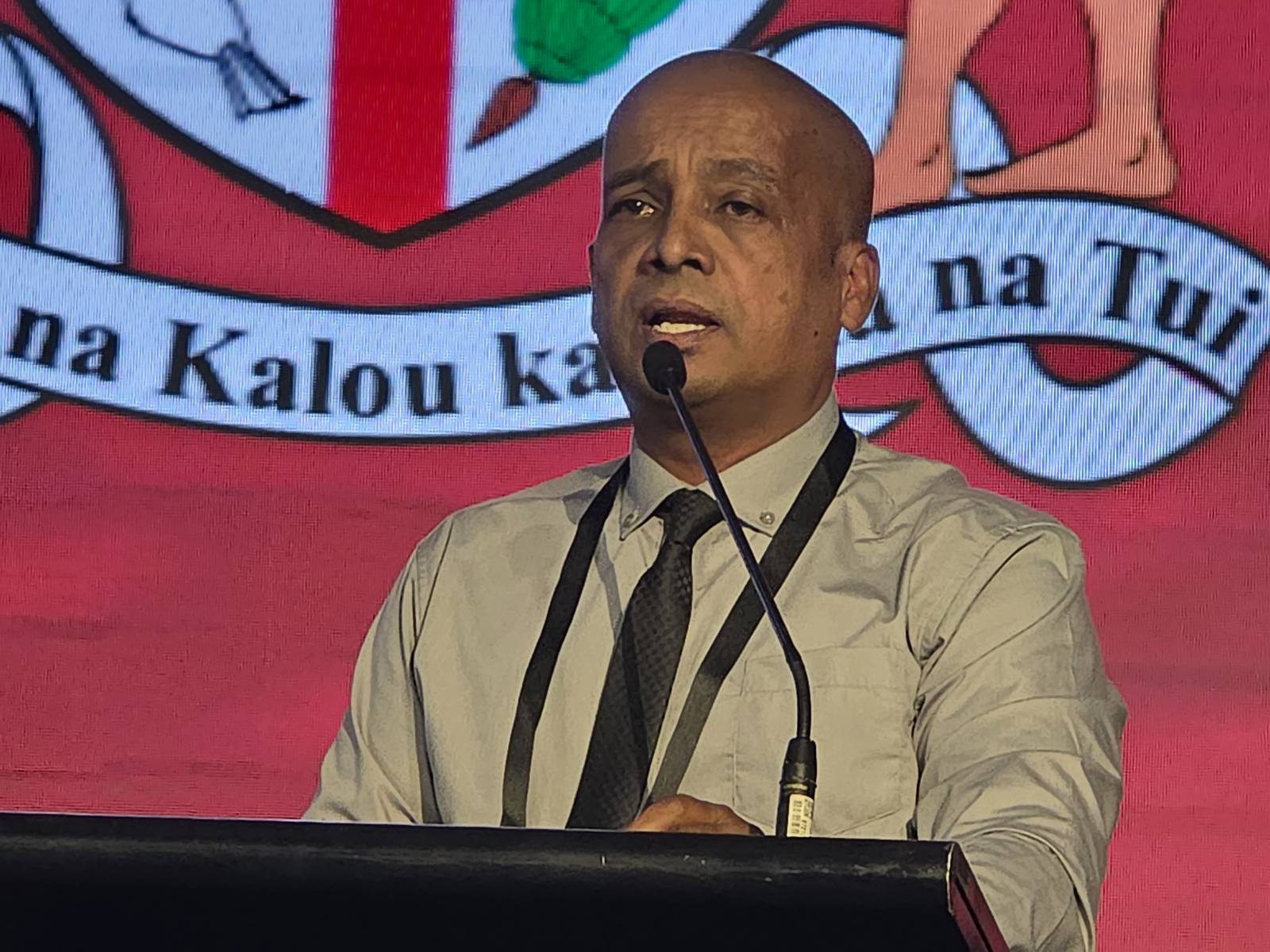
The Permanent Secretary for the Ministry of Multi-Ethnic Affairs and Sugar Industry, Dr. Vinesh Kumar, says land tenure reform and security are now central to the long-term survival of Fiji’s sugar and wider agriculture sectors.
Speaking as a panellist at the 2025 Attorney-General’s Conference on the theme “Economic Balance, Lease Renewals, and Native Land Rights: Aligning State Interests with Community Prosperity,” Dr. Kumar said Fiji’s sugar industry remains a strategic pillar of the rural economy.
He told participants that the sector supports more than 10,000 growers and sustains entire communities across the Western and Northern Divisions. But despite its continued contribution to foreign exchange and rural stability, production has fallen sharply.
“We have seen cane production decline from nearly 3 million tonnes in 2005 to 1.33 million tonnes in 2024,” he said.
Dr. Kumar said the challenges facing the industry now extend far beyond agronomic issues.
“Expiring agricultural leases, tenure insecurity, underutilised and abandoned farmland, fragmentation of arable land, and climate-related production decline” have become major obstacles, he said.
“These issues are no longer just land administration concerns. They have evolved into macro-economic challenges affecting national productivity, rural livelihoods, and long-term industry resilience,” Dr. Kumar said.
He reaffirmed that more than 90% of Fiji’s land is native land, which remains protected, inalienable and central to iTaukei identity. “Safeguarding this ownership must not change,” he stressed. However, he added that ownership alone does not guarantee economic opportunity.
“For native land to support both landowning communities and national development, it must be productively used, fairly leased, and supported by clear, predictable and modern legal frameworks,” he said.
Dr. Kumar said Fiji has an opportunity to emulate global best practices where indigenous land systems remain protected while still driving sustainable economic growth.

